FAA Spends $875 Million on AI to Ease Traffic Control Crunch
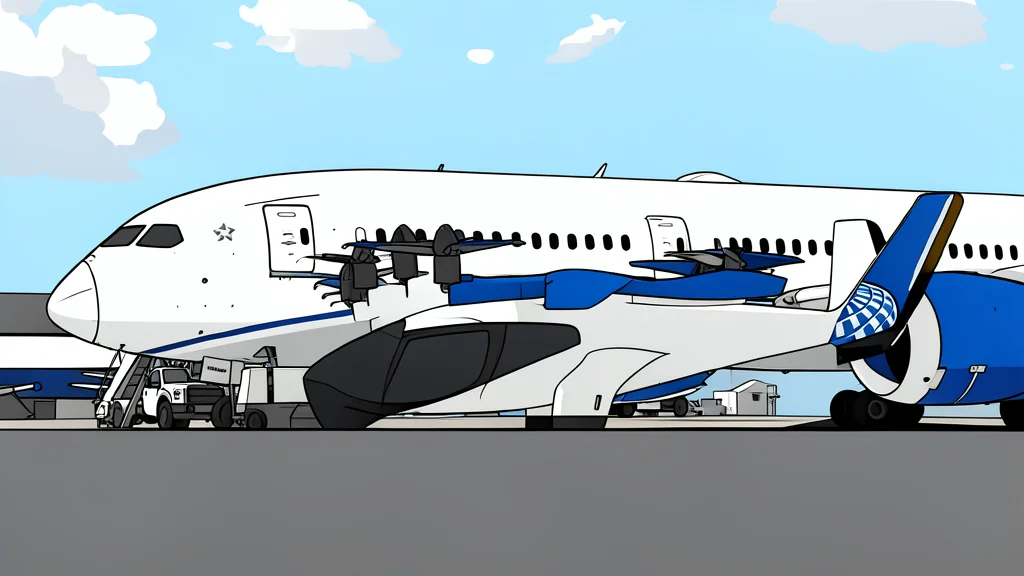
The Federal Aviation Administration is deploying a costly artificial intelligence system to address persistent staffing shortages and modernize air traffic management across the United States.
The Federal Aviation Administration is turning to artificial intelligence to tackle a persistent crisis in air traffic control. With a growing shortage of human controllers straining the system, the agency has selected an $875 million software program designed to automate complex scheduling and routing decisions. This move represents a significant shift toward relying on algorithmic management to maintain safety and efficiency in the nation's skies.
The initiative, known as Smart, aims to integrate with existing infrastructure to predict potential flight conflicts before they happen. By analyzing weather patterns, airline schedules, and airport capacity, the system seeks to streamline operations. While the FAA has also launched an aggressive hiring campaign to boost staff numbers, this software purchase is viewed as a critical component of a broader effort to modernize aging air traffic systems.
How the software predicts traffic
Smart functions as a cloud-based platform that layers onto current FAA management tools. It uses machine learning to process vast amounts of operational data, including airspace conditions and specific operational constraints. The goal is to identify potential route conflicts early, allowing controllers to make adjustments proactively rather than reacting to emerging issues. This predictive capability is intended to reduce the cognitive load on human operators during peak hours.
The system is developed by a firm called Air Space Intelligence. According to reports from the Wall Street Journal, the software will initially roll out in the Washington, D.C., metropolitan area. This pilot phase allows the agency to test the technology's effectiveness in one of the busiest air traffic control sectors in the country before considering a wider national expansion.
The cost and timeline
The total investment of $875 million is spread over a twelve-year period. This long-term commitment reflects the complexity of integrating new AI systems into critical national infrastructure. The cost covers the development, implementation, and ongoing maintenance of the platform. For taxpayers, this represents a substantial bet on technology as a solution to a workforce problem.
The FAA has described its recent hiring plan as bold, aiming to erase the longstanding staffing shortage. However, training and recruiting qualified controllers takes time. The AI system is positioned as a bridge to help manage the workload until the workforce expands. This dual approach acknowledges that technology alone cannot replace human judgment in safety-critical environments.
Trade-offs of automated management
Reliance on AI introduces new challenges for air traffic control. While the software can process data faster than humans, it lacks the intuitive judgment required in unexpected emergencies. The trade-off is efficiency versus flexibility. Controllers must trust the algorithm's predictions, which could lead to a disconnect if the system's logic does not align with real-world operational nuances.
The source, GN technics/ai (en-US), highlights that this is part of a broader modernization effort. Critics may argue that automating parts of the process could reduce job security or create over-reliance on software. However, the FAA maintains that the tool is designed to enhance, not replace, human oversight. The success of Smart will depend on how seamlessly it integrates with the daily workflows of seasoned controllers.