Tesla Secures Charging Deal for Three California Freight Depots
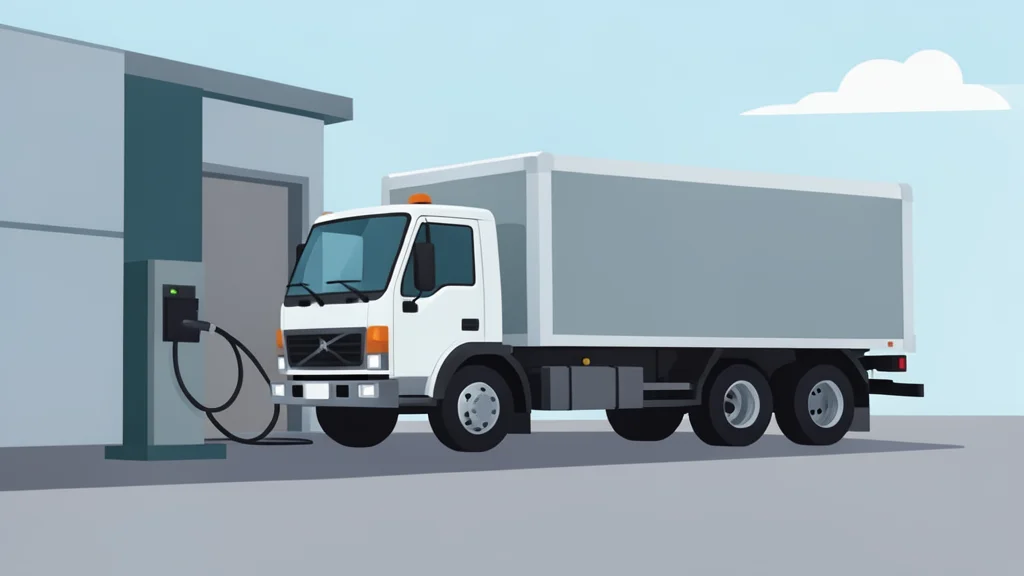
Tesla stock rose slightly after the company agreed to operate heavy-duty charging stations at three new freight depots in California, marking a significant step in building infrastructure for electric trucks.
Tesla shares climbed nearly 2% to close at $364.43 on Thursday following the announcement that the company will serve as the charging operator for Forum Mobility's next three freight depots in California. This agreement extends Tesla's charging technology into the commercial trucking sector, a market that has been slower to adopt electric vehicles than the passenger car industry. The move signals an effort to establish a foothold in heavy-duty logistics, where reliable charging infrastructure is often a primary barrier to entry.
The new sites, located in both northern and southern California, will feature a combined capacity of 30 megawatts for heavy-duty truck charging. This infrastructure is designed to support large commercial vehicles through pull-through charging lanes and specific high-power connections. While the total capacity is substantial, it is important to note that this deal focuses on infrastructure deployment rather than an immediate surge in sales of Tesla's Semi trucks. The primary goal is to remove practical bottlenecks for fleets that are considering the switch to electric heavy trucks.
Charging Capacity Meets Commercial Needs
The 30 megawatts of new capacity will be equipped with Tesla's Megawatt Charging System, which supports CCS connections standard for many commercial vehicles. If the capacity were distributed evenly, each depot would provide roughly 10 megawatts of power, though Forum Mobility has not disclosed the exact allocation for each location. For fleet operators, access to fast and accessible charging away from their own yards is a critical factor in adopting electric trucks. By providing this service, Tesla addresses a key logistical concern for businesses transitioning to zero-emission freight.
This arrangement also offers Tesla a new revenue stream beyond the sale of passenger vehicles. Monetizing its charging ecosystem through commercial partnerships allows the company to generate income from infrastructure usage, which can be more stable than vehicle sales cycles. As reported by GN auto tech/ev, this strategic shift highlights the growing importance of the charging network as a core asset for electric vehicle manufacturers. The ability to serve heavy-duty trucks expands the utility of Tesla's existing technology and positions the company as a service provider in the logistics sector.
Financial Terms Remain Undisclosed
Despite the positive market reaction, several key details about the financial structure of the deal remain unclear. Forum Mobility did not disclose any vehicle-order commitments, utilization targets, or specific economic terms for Tesla's operating contract. This lack of transparency makes it difficult to assess the immediate financial contribution of the deal to Tesla's bottom line. Investors are left to infer the value of the partnership based on the expansion of network footprint alone, without concrete data on expected revenue or cost-sharing arrangements.
The stock's current valuation reflects a premium over certain analyst estimates, suggesting that the market is already pricing in significant future growth from such initiatives. However, the absence of specific financial metrics means that the long-term impact of this deal will depend on how well the charging infrastructure is utilized by fleet operators. The catch in this expansion is that infrastructure build-out does not automatically translate to vehicle sales or guaranteed revenue. Success will hinge on the adoption rates by commercial fleets and the operational efficiency of the charging stations over time.