Kuwaiti Photographer Wins Top Prize for Shark Nebula Image
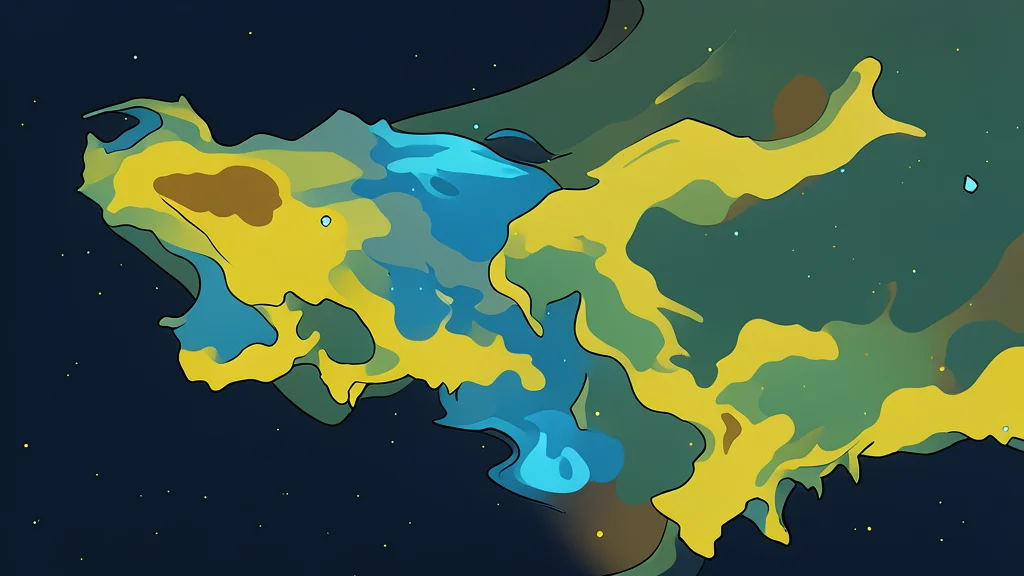
Ali Alobaidly’s capture of the Shark Nebula has taken the top spot in the 2026 ZWO Astronomy Photographer of the Year, beating out entries from around the globe.
A gas cloud shaped like a shark has claimed the highest honor in the 2026 ZWO Astronomy Photographer of the Year contest. The image, titled "The Quiet Predator," was captured by Ali Alobaidly in Kuwait and has been named the overall winner by the Royal Observatory Greenwich.
The contest, now in its 18th year, recognized amateur photographers who documented everything from auroras to planetary alignments. Alobaidly received 10,000 British pounds for the win, while other category winners took home smaller cash prizes. The collection of winning images is set to be displayed at the National Maritime Museum in London.
Shark Nebula wins top prize
According to GN technics/space (en-US), the winning photo features the Shark Nebula, a region of interstellar gas located about 650 light-years away in the constellation Cepheus. Alobaidly captured the image over two days in August 2025 using a specialized telescope and camera setup in the Jahra governorate of Kuwait.
The photographer described the image as a poetic juxtaposition of an oceanic predator prowling above the desert. This visual metaphor reflects a personal connection between the vastness of the universe and the ancestral landscapes of the region. The image stands out for its sharp detail and striking resemblance to a marine animal.
Other winners capture celestial moments
In the aurora category, Radoslav Sviretsov from Bulgaria won for a photo taken in Iceland. The image shows a strong northern lights display over a small church, highlighting the dark, unpolluted sky. In the moon category, Petr Horalek from Czechia captured a rare alignment where Venus appeared as a bright pearl against the lunar limb.
Other notable winners include Miguel Claro from Portugal, who photographed the sun’s surface, and Tom Williams from the U.K., who captured Saturn’s rings during a rare equinox event. Stefano Pellegrini from Italy also won for a star trail image taken in Botswana, featuring large baobab trees.
Prizes and exhibition details
The top prize of 10,000 pounds is significant for an amateur contest, though it remains modest compared to professional commercial photography awards. The exhibition at the National Maritime Museum offers the public a chance to view these high-resolution prints, providing a tangible connection to distant celestial events.
The trade-off for amateur photographers entering such contests is the high cost of specialized equipment. While the prizes help offset these expenses, the competition remains intense, with winners selected from thousands of submissions worldwide. The event continues to highlight the growing community of citizen scientists contributing to astronomical imaging.