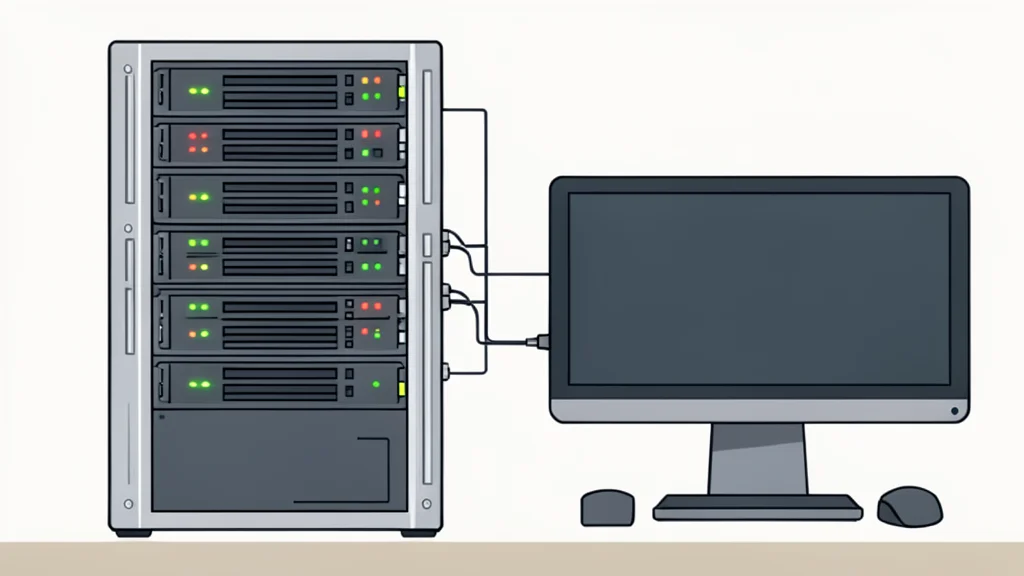
Generac Secures $2.4 Billion Amazon Power Deal
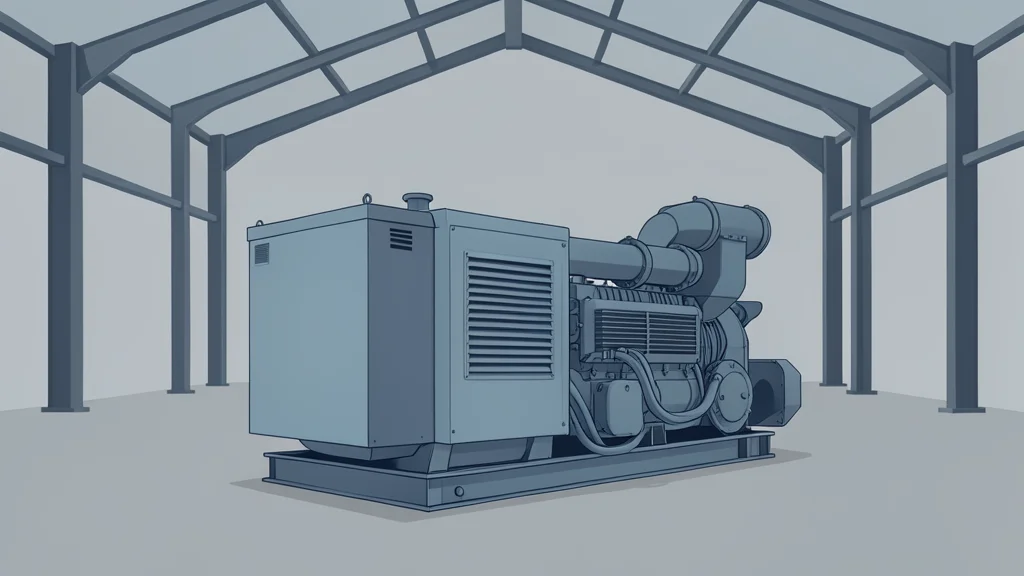
Generac Holdings has locked in a massive contract with Amazon to supply backup power for its expanding data center network. The move signals a pivotal shift for the company, which is betting heavily on the energy demands of the AI era.
Generac Holdings Inc. has disclosed a significant long-term supply agreement with Amazon, valuing initial deliveries at $2.4 billion across 2027 and 2028. This deal positions the company as a critical infrastructure provider for the cloud giant’s data centers, which require robust backup power to maintain uninterrupted service. The announcement triggered a sharp 34.5% rise in Generac’s stock price during premarket trading, reflecting investor enthusiasm for its growing role in the data center sector.
Beyond the immediate revenue, the contract includes a financial tie that deepens the partnership. Amazon issued a warrant to acquire up to 1.7 million shares of Generac stock, with a portion vesting immediately and the remainder linked to future payment milestones totaling up to $8 billion. This structure aligns the interests of both companies, ensuring Generac remains a preferred supplier as Amazon’s infrastructure needs scale. The agreement adds substantial visibility to Generac’s earnings, transforming its data center business into a primary growth engine rather than a secondary revenue stream.
Expanding Capacity to Meet Demand
To fulfill these orders, Generac is aggressively ramping up production capabilities. The company is outfitting its facility in Sussex, Wisconsin, and has acquired a packaging plant in Belvidere, Illinois, which is expected to become operational by early 2027. These expansions are designed to handle large megawatt generators, which are essential for powering massive server farms. Additionally, the recent acquisition of Enercon enhances Generac’s vertical integration, allowing for greater control over the manufacturing process and potentially improving profit margins on these high-value contracts.
The strategic pivot is evident in recent financial results, where data center revenues exceeded $100 million in the second quarter of 2026. This segment drove a 29% year-over-year increase in sales for the Commercial & Industrial division. With a backlog that reached $1.6 billion as of July, Generac is no longer just a manufacturer of residential backup units but a key player in industrial energy resilience. The company’s focus on domestic and international facility expansion underscores the urgency to keep pace with the rapid deployment of AI infrastructure.
Intense Competition From Industrial Rivals
While the Amazon deal is a win, the landscape for data center power is becoming crowded. Major competitors like Cummins and Caterpillar are also expanding their footprints aggressively. Cummins reported a 19% rise in Power Systems revenues, driven by strong demand from data centers, and has secured multi-year agreements with other hyperscale customers. Caterpillar’s Power & Energy sales grew by 17%, with user sales in power generation surging 72% due to demand for large generators. This competitive pressure means Generac must not only deliver on its promises but also continue innovating to maintain its share of the market.
The market for backup power is no longer a niche segment but a central pillar of the industrial economy. As AI models grow larger and more computationally intensive, the need for reliable, high-capacity power sources becomes a bottleneck for tech expansion. Generac’s ability to navigate this competitive terrain will determine whether it can sustain its recent momentum. The stakes are high, as the company’s future growth is now tightly coupled to the capital spending cycles of the world’s largest technology firms.
Risks in the Data Center Cycle
Despite the positive outlook, significant risks remain. Generac is now heavily exposed to the cyclical nature of AI and data center capital expenditure. If the pace of data center construction slows due to economic shifts or technological changes, Generac’s revenue could face downward pressure. Furthermore, any delays in expanding manufacturing capacity could hinder the company’s ability to meet its contractual obligations, potentially damaging its reputation with key clients like Amazon.
The reliance on a few large customers also creates concentration risk. While the Amazon deal provides a stable revenue floor, it also makes Generac vulnerable to the strategic decisions of a single entity. As the company scales, it must balance the benefits of large contracts with the need for a diversified customer base. The coming years will test Generac’s operational flexibility and its ability to adapt to a rapidly evolving energy infrastructure market.