Google Recycles Old Server Memory to Meet AI Demand
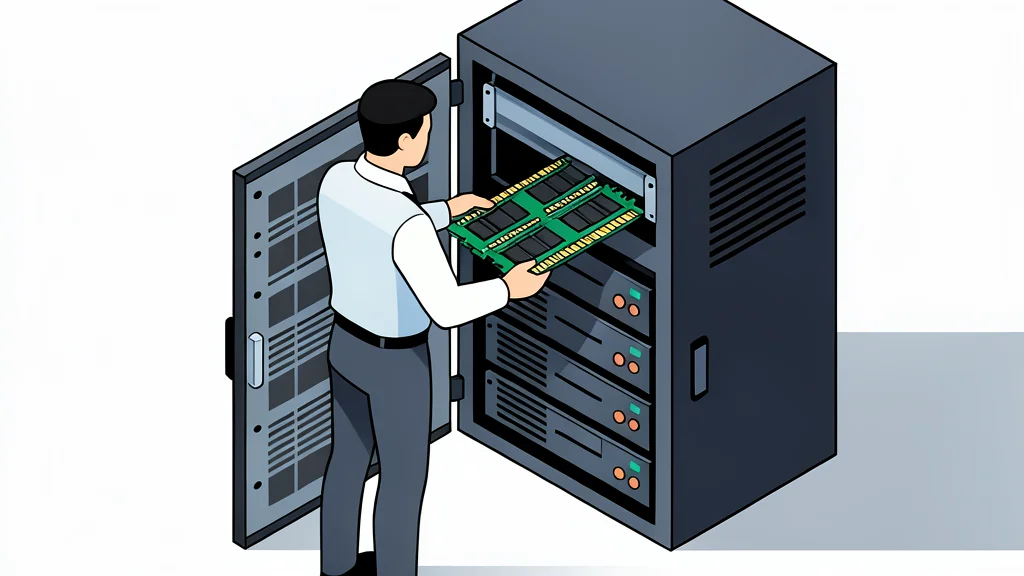
Surging memory costs are pushing tech giants to repurpose hardware. Google is dismantling decommissioned servers to recover usable modules, a sign of a new industry bottleneck.
The rapid rise in memory prices is reshaping how major technology companies secure their supply chains. According to reports from GN auto tech/hardware: computing hardware, Google has begun dismantling old servers to harvest memory modules. This move highlights a critical shift in the AI industry, where the scarcity of high-performance memory is now a more pressing issue than a shortage of processing power.
Nikhil Cherian, a senior director at Google, noted that the focus has moved from computing capability to memory availability. High-performance memory now makes up roughly three-quarters of the material cost for a single AI server. To address this, Google is not only optimizing software to reduce memory consumption but also building an internal recycling system to reuse older components.
Hardware recycling becomes a strategic necessity
Google is creating a dedicated supply chain to recover usable DDR4 memory from decommissioned hardware. The company has developed specific hardware adapters that allow this older generation of memory to function within newer AI servers. This approach turns retired equipment into a valuable resource rather than waste, directly addressing the immediate shortage of new modules.
The trade-off for this strategy is increased operational complexity. Integrating legacy hardware into modern systems requires specialized engineering and testing to ensure stability. However, the cost savings and supply security gained from reusing existing components outweigh these logistical challenges for a company of this scale.
Memory becomes the primary AI bottleneck
For years, the industry assumed that acquiring more powerful graphics chips would solve all computational needs. That assumption has fallen apart as large language models grow in size. Even the most advanced processors are useless if they cannot store the massive amounts of data required for training and inference. Memory has become the limiting factor, or the
This shift explains why companies are looking beyond new purchases. When the supply of new high-bandwidth memory is limited, the ability to reuse existing capacity becomes a competitive advantage. The focus is no longer just on raw speed, but on how efficiently data can be moved and stored.
New chip designs reduce external reliance
Google is also addressing the issue through new hardware designs, such as the TPU8i chip. This processor includes a large amount of on-chip memory specifically for storing active data, reducing the need to query external system memory. By keeping frequently accessed data closer to the processor, the system becomes more efficient and less dependent on scarce high-bandwidth modules.
While these new chips offer a long-term solution, they do not solve the immediate supply crisis. The combination of recycling old hardware and optimizing new chip architectures represents a dual approach to managing the current shortage. For tech giants, the message is clear: efficiency and resourcefulness are now as important as raw power.