India's AI Boom Strains Power and Water Resources

India's rapid expansion of data centers for artificial intelligence is creating a significant environmental crisis. While the sector promises economic growth, it places an unsustainable burden on local infrastructure, threatening both energy stability and freshwater supplies in key urban hubs.
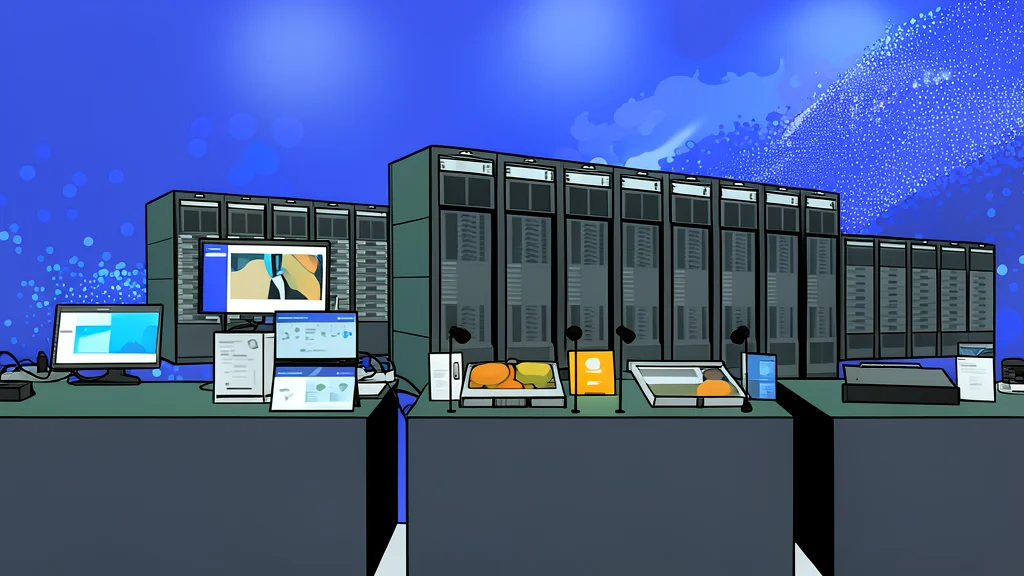
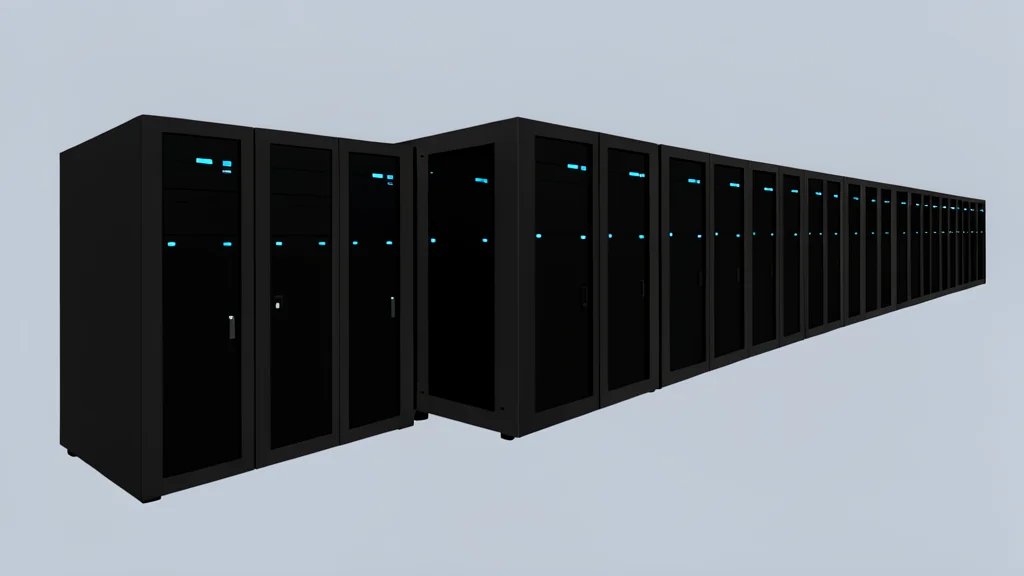
The surge in artificial intelligence adoption is driving a massive expansion of data center capacity in India. Projections indicate that installed power capacity will jump from approximately 1.4 gigawatts in 2024 to nearly 9 or 10 gigawatts by 2030. This rapid scaling is fueled by digitalization mandates and data localization laws, but it comes with severe environmental trade-offs that are increasingly difficult to ignore.
The primary concern is the strain placed on existing infrastructure. Data centers are energy-intensive facilities that also consume large volumes of water for cooling systems. In resource-constrained cities like Mumbai and Chennai, this demand threatens to overwhelm local power grids and deplete freshwater reserves. Without a corresponding increase in clean energy generation, the sector risks locking in carbon-intensive power usage for decades.
Infrastructure Limits Challenge Growth
The environmental footprint of this expansion goes beyond electricity bills. Scope 2 emissions, which relate to the purchase of electricity, will become a critical metric for companies operating in this space. If the new data centers rely on the current grid mix, which is heavily coal-dependent, the carbon cost of AI services will remain high. Additionally, the complex supply chains for hardware construction contribute to Scope 3 emissions, further complicating sustainability goals.
Water usage presents another acute risk. Cooling towers and other thermal management systems require constant water flow, leading to significant consumption in regions where water scarcity is already a pressing issue. This creates a direct conflict between technological advancement and local ecological health, forcing operators to consider whether the economic benefits justify the resource depletion.
Climate Tech Offers Potential Solutions
Despite these challenges, the demand for efficient data centers is creating a market for green technology. Startups are developing innovations in energy storage, wastewater reuse, and efficient cooling systems to meet the sector's needs. However, these companies face a funding hurdle. Unlike consumer software firms, climate-tech ventures require patient capital and longer timelines to move from prototype to commercial scale.
Vasudha Madhavan of Ostara Advisors argues that investors must adjust their expectations for these firms. Judging climate-tech companies by short-term profitability metrics ignores the reality of their development cycle. As capital becomes more concentrated, only those demonstrating clear progress toward commercial viability will secure the necessary support to scale their solutions.
AI Tools Optimize Energy Systems
Ironically, artificial intelligence itself can help mitigate the environmental damage caused by its infrastructure. The International Energy Agency estimates that widespread use of AI applications could reduce energy-related emissions by about five percent by 2035. By optimizing grid operations and integrating renewable energy sources more effectively, AI can reduce waste and improve efficiency.
Specific applications include AI-based fault detection in power grids, which can reduce outage durations by 30 to 50 percent. This level of precision helps stabilize the network, making it more resilient to the high demand from data centers. While this does not solve the underlying resource constraints, it offers a pathway to managing the load more sustainably.