UNCW Students Teach a 77-Pound Robot to Walk and Grasp
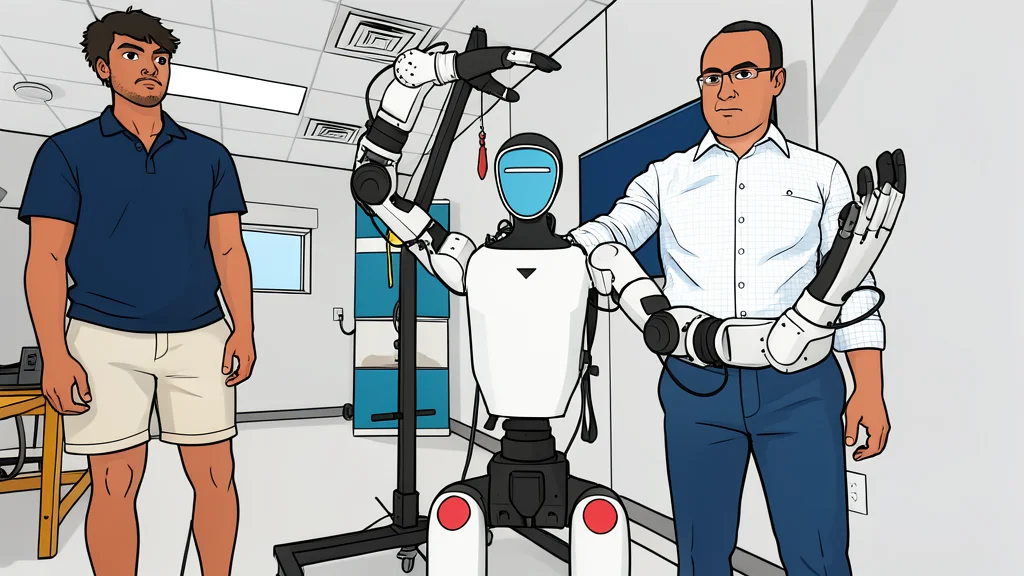
UNCW engineering students are navigating the steep learning curve of humanoid robotics by teaching a 77-pound machine to walk and grasp objects, effectively turning a static device into a functional colleague.
The University of North Carolina Wilmington has added a new asset to its engineering labs: a humanoid robot standing just over four feet tall and weighing approximately 77 pounds. Unlike typical industrial arms that remain fixed to a base, this unit is designed to move, balance, and interact with its environment in ways that mimic human behavior. The arrival of this hardware marks a significant shift for the institution, which is now one of the few in North Carolina to house such a complex system. It provides a tangible platform for exploring dynamic locomotion and advanced artificial intelligence, moving beyond theoretical simulations into practical application.
The machine arrived fully assembled, but it was initially inert. Over the summer, a team of students from the College of Science and Engineering dedicated their time to bringing it to life. Their primary goal was to program the robot to walk and perform basic object manipulation. This process required a collective effort, as the complexity of the system meant no single individual could handle all technical development. Students divided the workload into specific domains, including device driver setup, software management, and the creation of human-centered workflows for operation. According to Hamed Saeidi, an assistant professor in the Department of Computer Science, this division of labor was essential to manage the sheer volume of engineering challenges involved in making the robot functional.
Students tackle complex robotic tasks
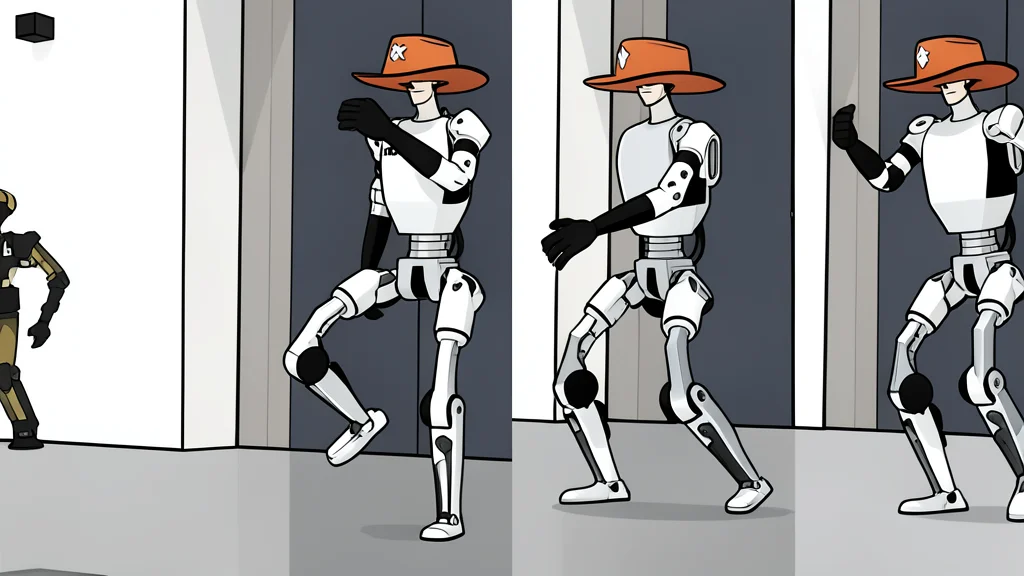
Leading the effort was Temo Meza, a recent master’s graduate who served as the team leader. Meza’s role was to understand the device’s architecture and guide his peers through their specific assignments. He worked closely with James Caddell, a student majoring in intelligent systems engineering, to develop custom gestures and program the robot to execute them. This collaboration highlighted the difficulty of translating human intent into robotic action. The team also focused on tactile-based object grasping, a task that requires precise coordination between the robot’s hands and its central processing unit.
Anna Knorr, another key member of the team, focused on the mechanics of gripping. Her work involved obtaining data from the robot’s hands and sending commands to move individual fingers. Through this process, she enabled the robot to grip simple shapes like balls and perform gestures such as a thumbs-up. Knorr noted that before this project, she viewed humanoid robots primarily as an abstract engineering challenge. However, working directly with the hardware revealed the significant difficulties in integrating hardware and software. She is now applying these lessons to research on gripping medical tools, a task that demands higher precision and reliability than simple object handling.
Robotics expands beyond the classroom
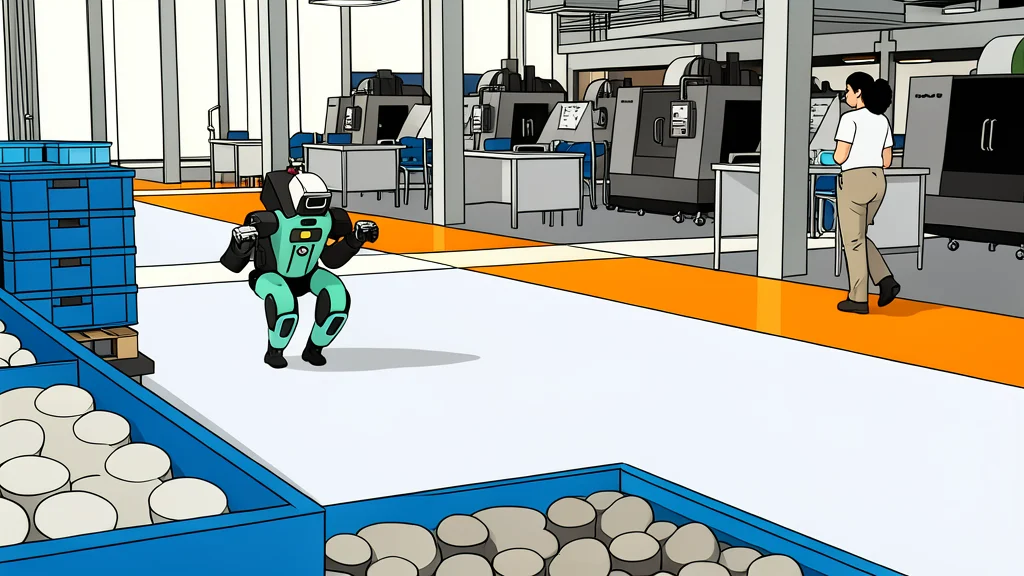
The practical implications of this student work extend well beyond academic exercise. Humanoid robots are increasingly viewed as potential solutions for workforce shortages in sectors like healthcare, automotive manufacturing, and domestic assistance. The ability to program these machines to perform human-like tasks makes them versatile tools for hazardous or repetitive environments. Saeidi emphasized that while these robots are not yet fully autonomous, they are critical for training the next generation of engineers. The university acquired the platform with funding from donors and the UNC System Office, specifically to equip students with expertise in medical and assistive robotics.
For the students involved, the experience offered a rare glimpse into the current state of robotics. Meza noted that while single-robot arms have been common in industries for years, humanoid platforms are only now becoming accessible to a broader range of researchers. This accessibility has intensified competition among developers to determine what these machines can achieve. The students at UNCW are not just observers in this race; they are active participants, developing the foundational skills necessary for robots to handle daily chores and complex tasks. The experience has provided them with a realistic perspective on the challenges of the field, fostering the tenacity required to push the boundaries of what these machines can do.
Naming the new lab colleague
As the technical work settles into a routine of research and development, the university is turning its attention to a more community-focused task. A voting campaign is currently underway to select a name for the robot. This initiative aims to integrate the machine more fully into the campus culture, reflecting the collaborative spirit of the project. The chosen name will be revealed during a men’s basketball game, a moment intended to celebrate the students’ achievements and the broader potential of this emerging technology. This final step underscores the institution’s commitment to making high-demand technology training a central part of its educational mission.
Students Master Humanoid Locomotion Challenges
The University of North Carolina Wilmington team is currently focused on transforming their 77-pound robot from a stationary platform into an active participant in human environments. This transition requires mastering the complex dynamics of locomotion and dexterous manipulation, a process that has proven to be a significant technical hurdle for the group.
According to the latest updates, the students are grappling with the steep learning curve inherent in humanoid robotics. By teaching the machine to walk and perform precise grasping tasks, they are gaining critical insights into the limitations and capabilities of current hardware. This hands-on approach allows them to see the robot not just as a complex system of code, but as a potential moving colleague in various professional settings.