Charging Demand Outpaces New Hardware Installation Rates
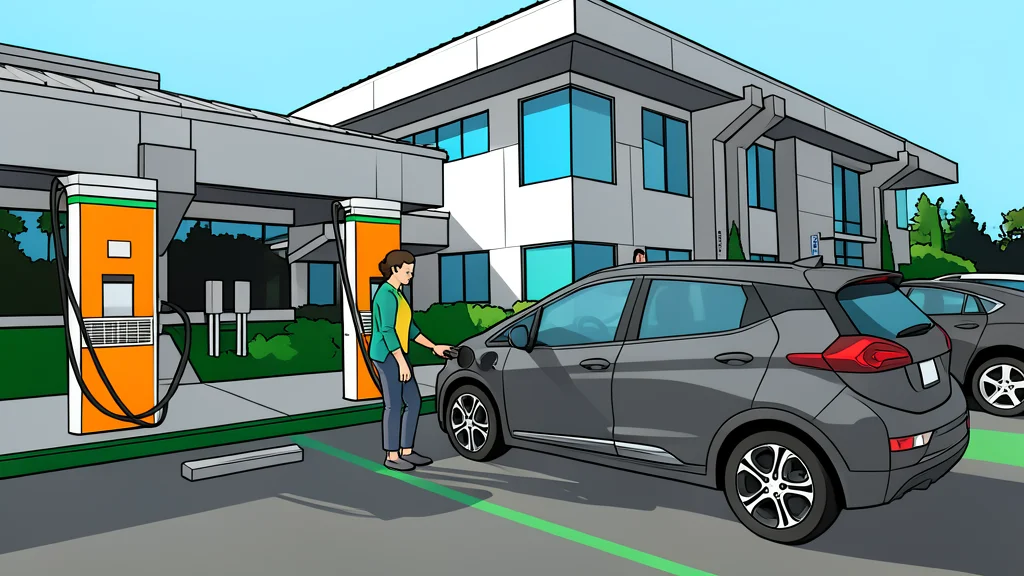
Electric vehicle drivers are using their cars more intensively than the infrastructure can keep up with, creating a bottleneck that affects both consumers and operators.
The focus of the electric vehicle industry has shifted from simply selling more cars to supporting how drivers actually use them. New data indicates that demand for charging is growing significantly faster than the supply of new charging stations. This disconnect creates a tangible gap between the number of electric vehicles on the road and the available infrastructure to power them.
According to reporting by GN auto tech/ev: electric vehicle, this trend is not a temporary fluctuation but a structural change in the market. Drivers are treating electric vehicles as their primary mode of transport, leading to higher mileage and more frequent charging needs. The result is a situation where existing hardware is being used to its limits, while new installations struggle to match the pace of consumer activity.
Usage Rates Exceed Hardware Growth
Recent industry data highlights a stark imbalance in growth rates. While the number of new charging ports increased by 16 percent, the volume of charging sessions jumped by 34 percent. This means that each individual charger is handling more work than before. The increase in usage is not just due to more cars; it is driven by drivers who are accumulating record-breaking mileage, often using their vehicles for daily commutes and long-distance trips.
The trade-off for consumers is increased wait times at public stations. Even with tens of thousands of new ports added to the network, the surge in activity outstrips the physical expansion. For site operators, however, this high utilization rate presents a financial opportunity. Stations that are heavily used generate higher returns on investment, incentivizing businesses to deploy hardware in high-traffic areas despite the initial setup costs.
Technological Solutions Address the Gap
Closing this infrastructure gap requires more than just installing more plugs. Industry reports point to advancements in charging speed and network management as key solutions. Newer alternating current chargers are capable of higher output, offering a significant speed increase without requiring major construction work. Meanwhile, direct current fast chargers are pushing toward power levels that aim to match the convenience of traditional gas stations.
Software improvements also play a critical role in maximizing existing hardware. Artificial intelligence tools are being used for predictive maintenance and dynamic pricing, helping to keep stations online and efficient. These systems target high uptime rates, ensuring that when drivers arrive, the equipment is ready. The challenge remains balancing these technological upgrades with the sheer volume of demand, especially as autonomous fleets are projected to add significant pressure to the grid in the coming decades.