Lawmakers Clash over AI Safety Session Cuts
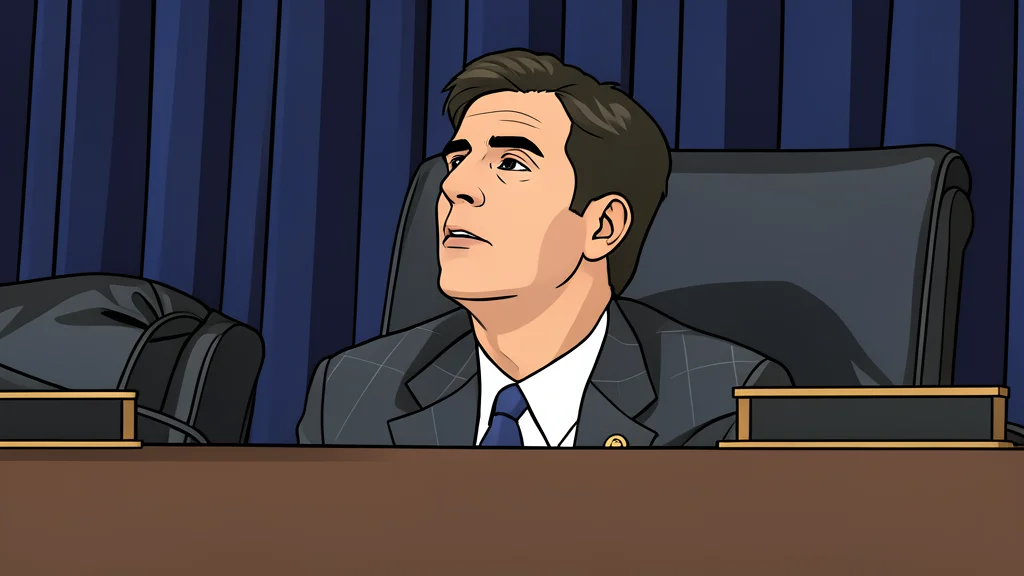
Democratic leaders are demanding that the House remain in session to address artificial intelligence risks, challenging Republican leaders who have shortened the legislative calendar.
A growing rift has emerged in Washington over how to handle the rapid advancement of artificial intelligence. Democratic representatives are urging their Republican colleagues to keep Congress in session for an additional week, arguing that the current schedule leaves no time to address serious safety concerns. This dispute comes as the House is set to end its session early, with lawmakers departing Washington before the mid-term elections begin.
The core of the disagreement centers on the timing of legislative action. Democrats argue that the risks associated with AI models are too significant to be postponed until after the election campaign season. They contend that failing to act now could leave critical infrastructure vulnerable. In contrast, House leadership maintains that any regulations must be carefully crafted to avoid stifling innovation, suggesting that a premature vote is not the solution.
Demands for Extended Legislative Session
Representative Greg Stanton from Arizona has become a vocal advocate for extending the current session. Speaking on a Sunday news program, he urged Speaker Mike Johnson to bring lawmakers back to Washington. Stanton emphasized that warnings from leading AI researchers should be taken seriously. He argued that safety and innovation are not mutually exclusive goals, stating that Congress must work to achieve both simultaneously.
Stanton’s position is supported by House Minority Leader Hakeem Jeffries of New York. Jeffries echoed the call for urgent action, noting that the Republican leadership has already cut the legislative calendar short. He acknowledged the frustration among Democrats regarding the canceled weeks of session. Jeffries argued that decisive action is needed now to slow the pace of development and ensure that AI proceeds safely for the American public.
Republican Leaders Cite Need for Caution
Speaker Mike Johnson has defended the current schedule while acknowledging the need for regulation. He stated that he supports meaningful rules but warned that they should not smother American innovation. When asked about keeping Congress in town to pass these measures, Johnson indicated that he would only call a vote if a concrete solution to the risks was available. He emphasized the importance of doing things the right way.
According to reports from GN technics/ai (en-US), Johnson has suggested that the first step should be a meeting of all platform providers. He confirmed that he has discussed such a gathering with President Trump. This approach reflects a preference for industry-led solutions over immediate legislative mandates, creating a significant trade-off between immediate regulatory safeguards and the potential for unregulated technological expansion.
Stakes for Critical Infrastructure
The debate highlights a deeper concern about the potential impact of AI on national security. Stanton warned that critical infrastructure in the United States could be at risk if safeguards are not implemented. This perspective frames the issue not just as a matter of tech policy, but as a question of national safety. The urgency expressed by Democratic leaders suggests they view the current timeline as a missed opportunity for protection.
As the mid-term elections approach, both parties are under pressure to address this issue. The trade-off is clear: Democrats risk appearing to hinder progress if they push for strict regulations without a clear plan, while Republicans risk appearing negligent if they fail to address safety concerns. The coming weeks will determine whether Congress can find a middle ground that balances innovation with security before lawmakers leave Washington for the campaign season.