The Loud Price of Cinematic Perfection
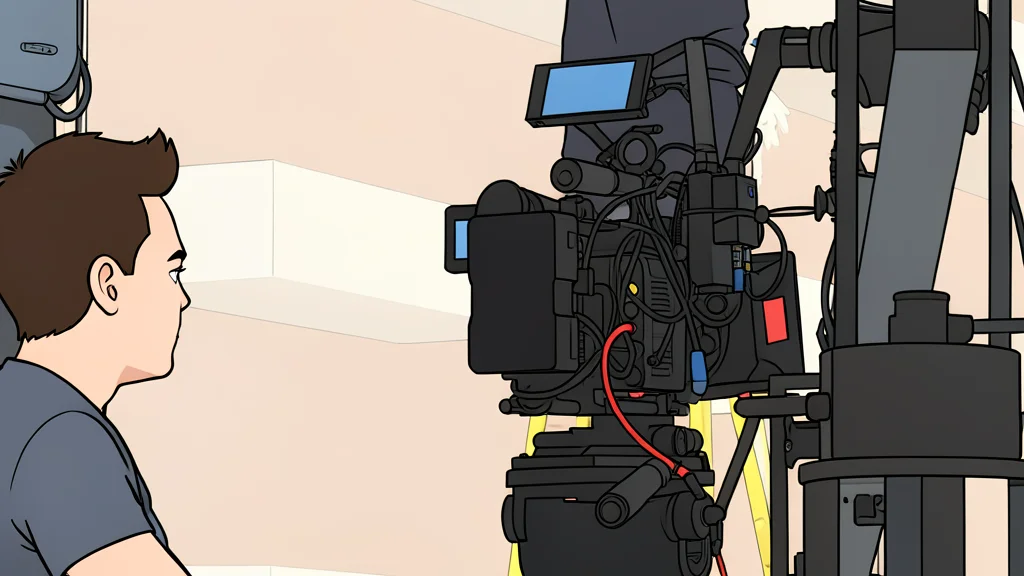
IMAX cameras deliver stunning visuals, but their intense noise creates significant challenges for filmmakers on set. This mechanical whine is a direct result of the system required to keep massive film strips flat during exposure.
For most modern filmmakers, the decision to shoot on traditional IMAX film is driven by a singular pursuit of image quality, but it comes with a severe auditory penalty. The cameras are not only bulky and expensive but also produce a constant, high-pitched mechanical whine that can disrupt the recording environment. This noise is not a defect but a necessary byproduct of the complex physics required to handle such a large format.
As reported by Engadget, the sheer volume of film moving through an IMAX 15/70 camera is the primary source of the racket. The system moves film at speeds of 336 feet per minute, requiring powerful motors and rapid mechanical actions. This intense physical activity creates a mechanical rattle that is difficult to isolate, making the camera one of the most demanding tools in the industry.
Massive Film Speed Creates Noise
Standard cinematic cameras use a specific number of sprocket holes to advance film, but IMAX formats utilize fifteen holes per frame. This design allows for a significantly larger image area, resulting in visuals roughly three times the size of conventional 65mm negatives. However, this increase in size means the camera must process 360 sprocket holes every second at a standard frame rate.
The weight and size of this material require a robust motor system to move the film quickly and accurately. The continuous cycle of pulling, stopping, and repositioning the film generates significant friction and mechanical vibration. For a filmmaker, this means the camera is never truly silent, even when not capturing a specific shot, which complicates audio recording on location.
Vacuum Systems Add Constant Hum
Beyond the movement of the film itself, IMAX cameras employ a vacuum plate behind the lens to ensure each frame is perfectly flat. Film naturally retains a slight curl from being wound in a magazine, and even a microscopic bend can ruin the image quality by breaking the plane of focus.
To counteract this, the camera uses suction to pull the film tight against a plate during exposure. This vacuum system requires a pump that runs continuously while the camera is active. The resulting high-pitched hum is a constant presence on set, adding to the overall noise floor and posing a challenge for sound designers who need clean audio tracks.
Digital Shift Reduces Operational Hurdles
These operational drawbacks are a primary reason why the majority of modern films are shot digitally. Digital sensors do not require the massive mechanical systems or vacuum plates that film cameras need, resulting in a much quieter shooting environment. While IMAX film offers a distinct aesthetic, the trade-off in noise and complexity makes it a niche choice for most productions.
Filmmakers who do choose IMAX film must employ various techniques to mitigate the noise, such as recording dialogue in a separate pass or using specialized soundproofing. The format remains a testament to the dedication required for high-end cinema, but it is no longer the default standard due to these inherent practical limitations.