Pebble Time 2 Prioritizes Privacy over Feature Depth
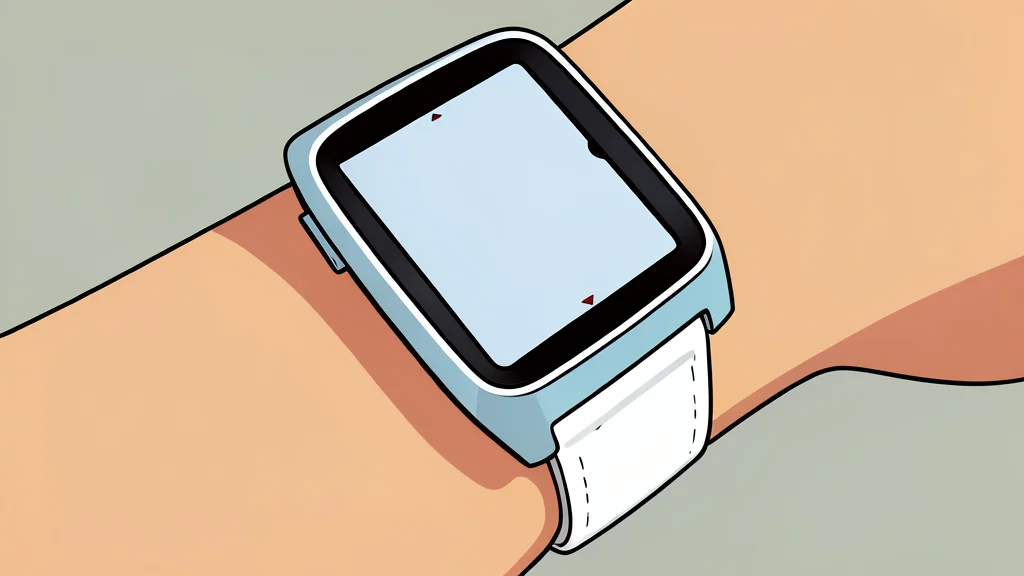
A new smartwatch offers a private alternative to major brands, keeping health data local while trading off advanced tracking metrics.
For users wary of their health data being harvested by large tech corporations, the Pebble Time 2 offers a distinct alternative. Unlike mainstream devices that automatically upload metrics to the cloud, this watch syncs data directly to your phone. This design choice allows you to retain full control over your information without relying on a company’s promise to protect it from leaks or misuse.
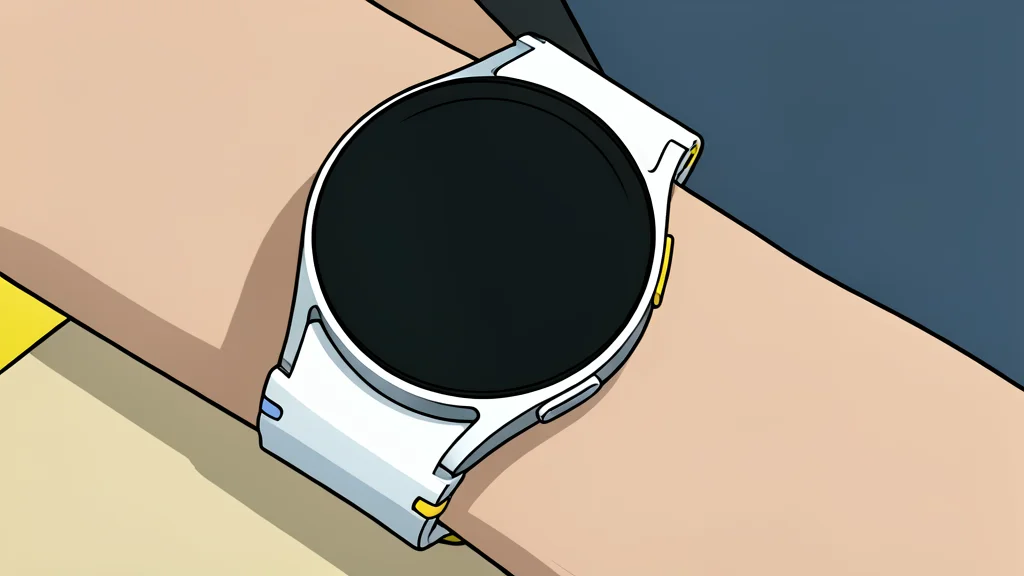
The device functions as a modernized version of the classic Pebble smartwatches, providing essential health metrics like step counts, sleep duration, and heart rate. However, it is explicitly not marketed as a high-end fitness tracker. Instead, it appeals to those who value data sovereignty and a simpler, less intrusive relationship with their wearable technology.
Local storage reduces third-party risk
The primary advantage of the Pebble Time 2 is its default privacy architecture. The operating system is open source, and health data does not sync to the cloud unless you explicitly choose to do so. According to reports from GN auto tech/wearables, this approach eliminates the need to trust a vendor with your sensitive biometric information. While companies like Samsung offer end-to-end encryption, the mere fact that data leaves your device introduces potential vulnerabilities that local storage avoids.
This setup provides a sense of security for users who are skeptical of corporate data practices. By keeping metrics on your personal hardware, you reduce the attack surface for data breaches. It is a trade-off that prioritizes personal control over the convenience of automatic cloud backups and cross-device synchronization.
Simple interface masks limited capabilities
The user experience focuses on charm and fluidity rather than data density. The e-paper display animates step counts and heart rates in a way that feels surprisingly engaging compared to some competitors. You can cycle through metrics by pressing buttons, accessing weekly trends with a simple tap. This design choice makes the data feel approachable, but it also highlights what is missing from the feature set.
There is no fall detection, skin health monitoring, or advanced energy scoring. The watch does not function as a fitness coach, nor does it allow for competitive social features. For casual users who only need basic metrics to maintain healthy habits, this simplicity is a benefit. However, for those who rely on detailed analytics for training or medical monitoring, the device may feel underpowered.
Trade-off between privacy and accuracy
The Pebble Time 2 cannot compete with the resources of major players like Apple or Garmin. Its sensor suite is sufficient for general wellness tracking but lacks the precision and breadth of dedicated fitness hardware. If you require the most accurate heart rate variability data or comprehensive sleep staging, this watch is not the right tool.
Ultimately, the device is a choice of values. It sacrifices advanced features and competitive accuracy in exchange for a transparent, private, and ad-free experience. For users who find peace of mind in owning their data, the limitations are an acceptable price for that autonomy.