Meta's $115M Bet on Blue-Collar AI Infrastructure
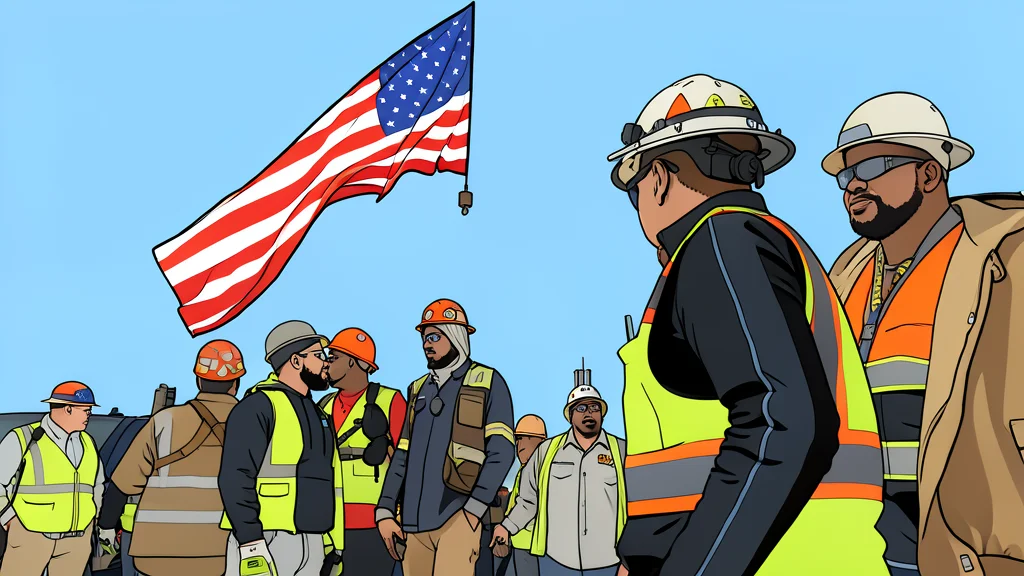
A new Meta-backed training initiative aims to bridge the gap between the booming AI industry and the skilled trades workforce required to build the necessary physical infrastructure.
The rapid expansion of artificial intelligence in the United States is driving a surge in demand for physical infrastructure, creating a critical need for skilled construction workers. Meta Platforms has entered this space with a significant financial commitment, pledging an initial $115 million to support a nationwide workforce development initiative. This program, known as America’s Workforce Academy, seeks to train individuals in the specific trades required to build data centers and related facilities, addressing a reported shortage of roughly 349,000 workers in the sector.
The initiative is not merely a charitable effort but a strategic move to secure the labor supply necessary for the company's growth. By partnering with industry groups and local organizations, Meta is attempting to formalize the pipeline for skilled trades. The approach shifts the narrative of AI from a purely digital or software-driven phenomenon to one that relies heavily on physical labor, highlighting the often-overlooked role of blue-collar workers in the tech economy.
Training programs target specific trades
The academy’s first major rollout is taking place in Houston, where a general construction training program is set to begin in November. This four-week intensive course is designed to provide hands-on experience and theoretical knowledge required for modern construction sites. Graduates will receive an industry-recognized credential from the National Center for Construction Education and Research, along with a certificate from the academy itself. These credentials are intended to be portable, allowing workers to apply their new skills to various construction projects beyond just data centers.
In addition to general construction, the initiative has launched specialized training for fiber technicians in cities like Indianapolis and Columbus. These programs were developed in collaboration with CBRE, a real estate services firm, and have already seen their first cohorts graduate. The focus on fiber optics underscores the dual need for structural building and high-speed connectivity, two components that are inextricably linked in the infrastructure of the AI era.
Partnerships define the operational model
Meta is not acting alone in this endeavor. The company has formed partnerships with Associated Builders and Contractors, the National Urban League, and various local educational affiliates. In Houston, the training facility is operated by the Construction & Maintenance Education Foundation, a nonprofit affiliate of a local builders' association. This structure allows Meta to provide funding and job placement opportunities while leaving the actual instruction and credentialing to established industry experts. This division of labor is designed to ensure that the training meets professional standards and remains relevant to current industry needs.
According to reporting from GN technics/ai (en-US), this collaborative model is intended to address the controversy surrounding data center construction. By involving local workers and providing them with a clear path to employment and safety training, the initiative aims to mitigate community opposition. The goal is to ensure that the workers building these facilities are properly trained, safe, and equipped with credentials that hold value in the broader job market.
Addressing the skilled labor shortage
The scale of the investment reflects the severity of the labor market gap. Industry leaders cite a deficit of hundreds of thousands of workers in roles such as welding, plumbing, and electrical work. These are the essential trades that cannot be automated and are required to physically construct the servers and cooling systems that power AI models. Meta has framed this not just as a business necessity but as an opportunity for workers to participate in building the nation's technological future.
However, the trade-off for workers is a commitment to a specialized training regimen that may not guarantee immediate employment at Meta. While the company provides funding and job leads, the primary benefit is the credentialing and skill acquisition that can be applied across the construction industry. For many, this represents a significant step toward career stability in a sector that is currently expanding rapidly due to the demands of the AI boom.