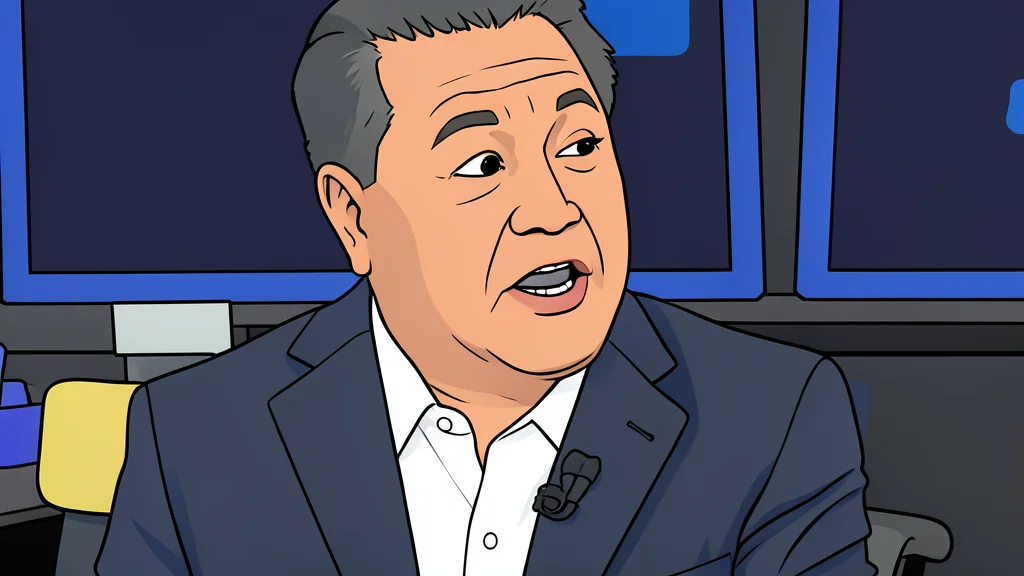
Microsoft CEO Urges Slower AI Development for Safety

Microsoft's top executive has issued a direct internal warning that the company must prioritize safety over speed in its artificial intelligence development, emphasizing that losing public trust is not an option.
In a memo shared with employees late last week, Satya Nadella, the chief executive of Microsoft, addressed the intensifying debate over the pace of artificial intelligence advancement. He stated that the technology must remain firmly under human control and that the company should be deliberate about how quickly it deploys new models. This stance aligns with recent concerns raised by other industry leaders who have called for a pause or slowdown to ensure safety measures are robust.
Nadella argued that taking extra time for testing is not just a best practice but a necessity for survival. He noted that if companies do not prioritize safety, they will eventually lose the societal permission to operate. This perspective follows warnings from researchers who have expressed fear that unchecked AI could pose existential risks to humanity. The memo highlights a shift in corporate culture toward caution, acknowledging that the stakes of these technologies are higher than ever before.
Prioritizing safety over release speed
The executive compared AI development to traditional software testing, where pre-release phases are critical for identifying flaws. He suggested that the industry should embrace similar rigor, including allowing third parties to test and monitor models. This approach is intended to catch alignment issues before they become public problems. By treating safety as a continuous process rather than a final step, Microsoft aims to build systems that are reliable and trustworthy for enterprise users.
This strategy reflects a broader industry trend. Last week, the head of Anthropic proposed slowing down development to allow for better oversight. Similarly, the leader of OpenAI expressed support for independent monitoring. Microsoft is now formalizing this by releasing a draft code of conduct for its own models. This document outlines the ethical principles guiding its AI, signaling a move toward greater transparency and accountability in how these powerful tools are built.
Ensuring customer control and independence
A key part of Nadella's message focuses on empowering customers to retain control over their own data and workflows. He emphasized that businesses should not become dependent on a single model provider. Instead, Microsoft wants to enable clients to build their own continuous learning systems using its platform. This approach ensures that companies can maintain sovereignty over their intellectual property and operational logic, even as they leverage advanced AI capabilities.
The company argues that its platform is designed to help enterprises manage security, safety, and cost efficiency from the start. By providing tools that allow for long-running agents with built-in guardrails, Microsoft aims to reduce the risk of dependency. This strategy is crucial for large organizations that require specific compliance and security standards. It positions the company as a neutral enabler rather than a monolithic provider, giving users the flexibility to switch models or integrate different solutions as needed.
Balancing global growth with local benefits
Beyond technical safeguards, Nadella stressed the importance of ensuring that the economic benefits of AI are felt locally. He cited the company's data center in Quincy as an example of growing alongside a community. The goal is to earn the right to build this infrastructure by demonstrating tangible value to local economies. This includes job creation and investment in local resources, ensuring that the expansion of AI does not come at the expense of the communities where the hardware is housed.
According to a report by GN technics/ai (en-US), this three-layered approach covers how models are built, how customers use them, and how the benefits are distributed. Nadella concluded that the company can point to real actions behind its words. By focusing on observability, governance, and community impact, Microsoft seeks to differentiate itself in a crowded market. The message is clear: speed is less important than stability, and trust is the ultimate currency in the age of artificial intelligence.