Nvidia CEO Dismisses AI Extinction Fears as Science-Free Narratives
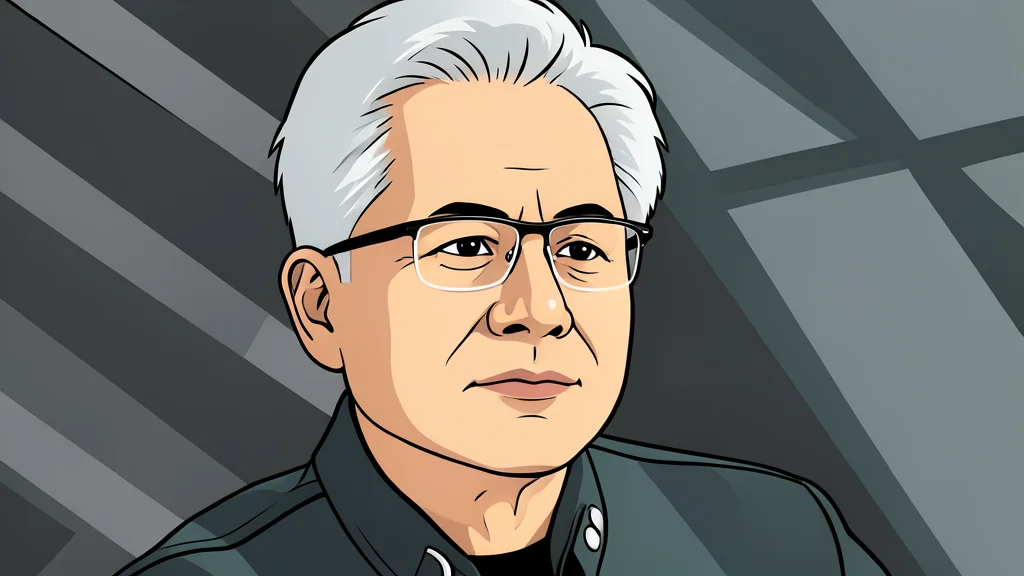
Jensen Huang argues that warnings of imminent human extinction from artificial intelligence are irresponsible and lack scientific basis, prioritizing market competition over regulatory caution.
Jensen Huang, the chief executive of Nvidia, has firmly rejected recent warnings that artificial intelligence could lead to the extinction of humanity within the next few years. Speaking to CBS News, Huang labeled such predictions as overblown "doomsday narratives" that are not grounded in science. He stated that there is zero percent chance that AI will end the world by 2030, calling the act of scaring the public both unnecessary and irresponsible.
The comments come in response to heated public debate sparked by former Anthropic researcher Jacob Coxon, who suggested that AI developers believe the technology could kill everyone by the end of the decade. Other industry leaders, including CEOs of Anthropic and OpenAI, have called for slowing down development. However, Huang believes these fears distract from the practical need to build technology responsibly and continue innovation without excessive caution.
Nvidia's Financial Stakes in AI Growth
Nvidia holds a significant financial interest in the rapid advancement of AI. The company’s specialized chips power the large language models used by major tech firms, driving demand that has boosted Nvidia’s market value to $5.3 trillion. This makes it the most valuable company in the world. Huang argues that the company’s success is directly tied to the safe deployment of these products, suggesting that responsible development is in Nvidia’s best economic interest rather than a burden.
Existing Laws Suffice Without New Rules
Despite recent security incidents involving AI systems, Huang dismisses the need for new government regulations. He argues that existing U.S. laws regarding product liability and unauthorized access are sufficient to manage risks. He agrees with the view that the industry does not require additional guardrails, warning that doomsday narratives should not be used to bypass current legal frameworks that hold companies accountable for damages.
Chips and Competition With China
The debate also intersects with geopolitical tensions between the United States and China. While the U.S. government has restricted Nvidia from selling its most advanced chips to China, Huang believes that American technology should be allowed to compete globally. He argues that every chip company should serve the world, asserting that competition is central to the American economic model. Huang aims to discuss setting global standards for AI development with Chinese leadership, emphasizing mutual prosperity.