Grahaa Space Targets Rapid Satellite Rollout After Early Setback

Bengaluru-based Grahaa Space is accelerating its launch schedule following a successful orbital insertion, aiming to validate its imaging technology and begin building a commercial satellite constellation.
Grahaa Space, a Bengaluru-based startup, is increasing the frequency of its satellite launches after successfully placing its SOLARAS spacecraft into orbit on Skyroot’s Vikram-1 rocket. The company now plans to execute two technology demonstration missions by the end of fiscal year 2026 and potentially three more by the second half of fiscal year 2027. This acceleration marks a significant shift from their earlier pace, driven by the need to prove their imaging capabilities before scaling up production.
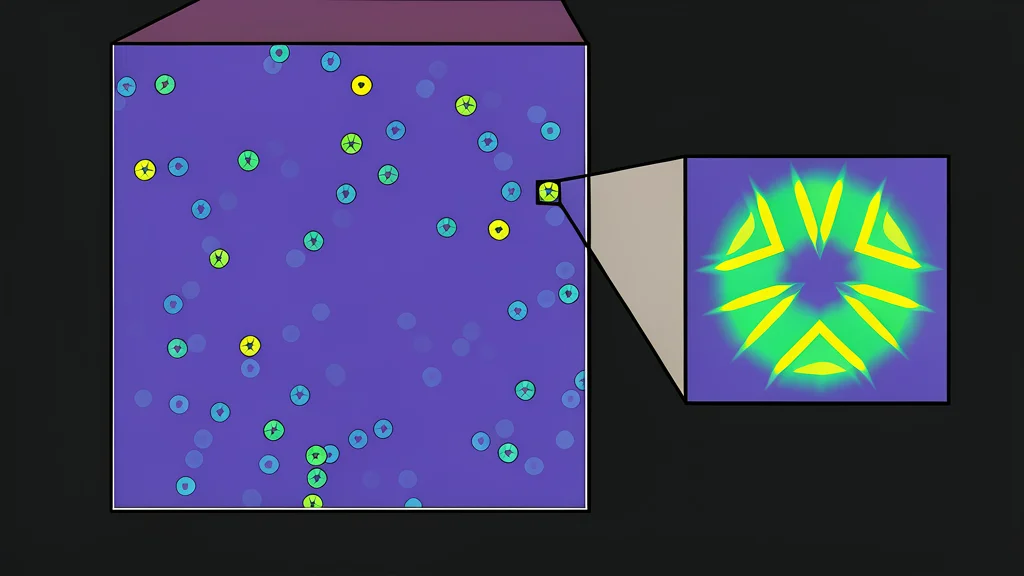
The primary goal of these upcoming flights is to validate Grahaa’s proprietary optical payload. According to co-founder and CEO Ramesh Kumar, proving this technology is the critical prerequisite for constructing their planned constellation of nanosatellites. Once the payload is verified, the company intends to begin selling near-real-time video data of the Earth, moving from a hardware-focused model to a data-service business.
Learning from early orbital failures
This push for speed comes in the wake of a previous launch failure where the company lost a satellite. Kumar acknowledged that this setback tested the team’s resilience and engineering processes. However, it also reinforced their commitment to rapid development cycles. The company has set a strict internal target to complete the design and deployment of any new satellite within twelve weeks, prioritizing speed to market over extended testing periods.
The recent success has also boosted customer interest. Grahaa has already secured two clients for its upcoming missions. The company currently generates revenue by providing modular satellite platforms and hosted-payload services for research and industrial use. Following the Vikram-1 mission, inquiries for these hosted services have increased, providing a cash flow that supports the development of their own dedicated imaging constellation.
Building a modular satellite platform
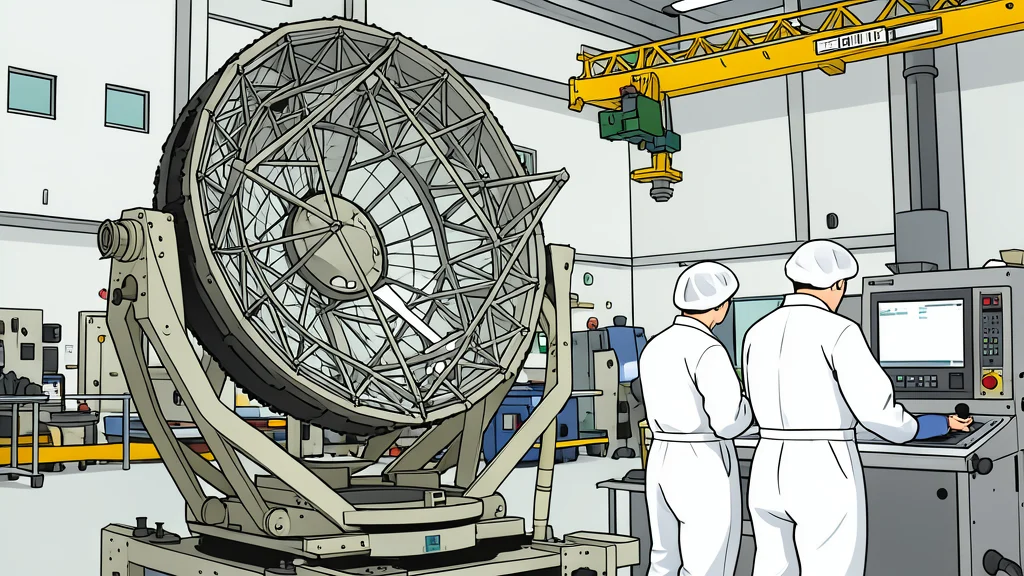
Incorporated in 2021, Grahaa is developing a compact, modular satellite bus that can be configured for various applications. The platform includes onboard data-compression technologies designed to handle the high volume of information generated by their optical sensors. This modular approach allows the company to offer flexible solutions to different clients while simultaneously refining the specific components needed for their own Earth-observation network.
The long-term ambition is to create a constellation that provides continuous monitoring capabilities. The data derived from this network is intended for use in defense, agriculture, smart city management, and environmental monitoring. By combining a standardized hardware base with specialized imaging software, Grahaa aims to reduce the cost and time required to launch new observation capabilities into orbit.
Commercial stakes in space data
The transition from building hardware to selling data represents a major commercial pivot for the startup. While the satellite bus provides immediate revenue, the true value proposition lies in the actionable intelligence provided by the constellation. This model requires a reliable launch cadence and robust payload performance, making the upcoming demonstration missions critical for investor and client confidence.
According to BusinessLine, the competitive landscape for Earth-observation data is intensifying. Companies must balance the cost of launch with the quality of the data returned. Grahaa’s strategy relies on rapid iteration and a proven track record of successful orbital insertions to secure its position in this growing market. The success of the next two missions will determine if the company can meet its ambitious twelve-week development cycle and scale its operations.