New Humanoid Robot Drops to Knees When Humans Approach
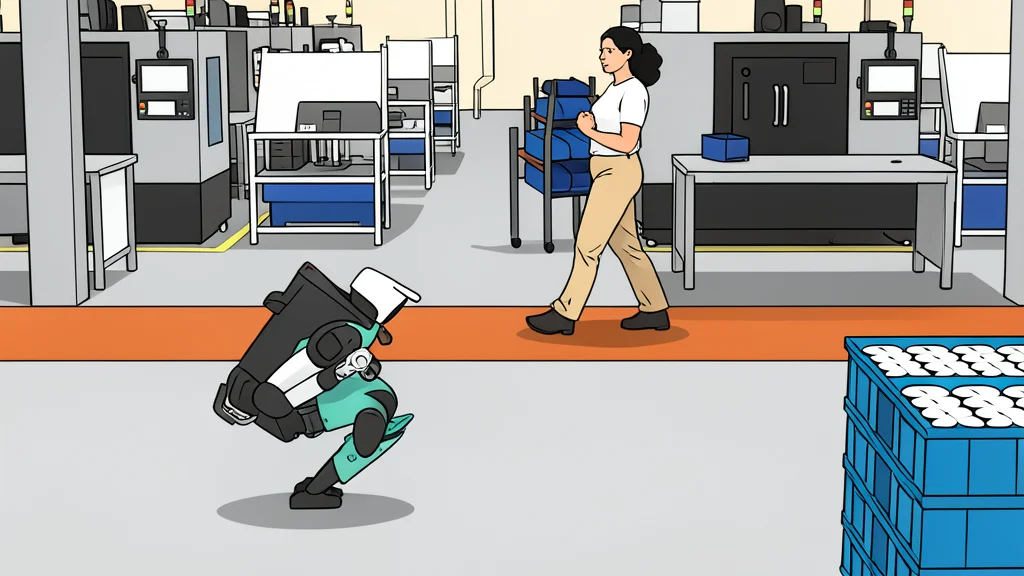
Agility Robotics has introduced Digit 5, a workplace robot designed to prioritize human safety by immediately stopping or crouching when it detects people nearby.
Agility Robotics has unveiled its latest addition to the industrial workforce, a two-legged machine known as Digit 5. The primary design focus of this new model is not raw strength or speed, but rather a dedicated commitment to safety in shared spaces. When the robot detects a human approaching, it does not simply stop; it actively assumes a low, crouched position, effectively clearing the path for the person.
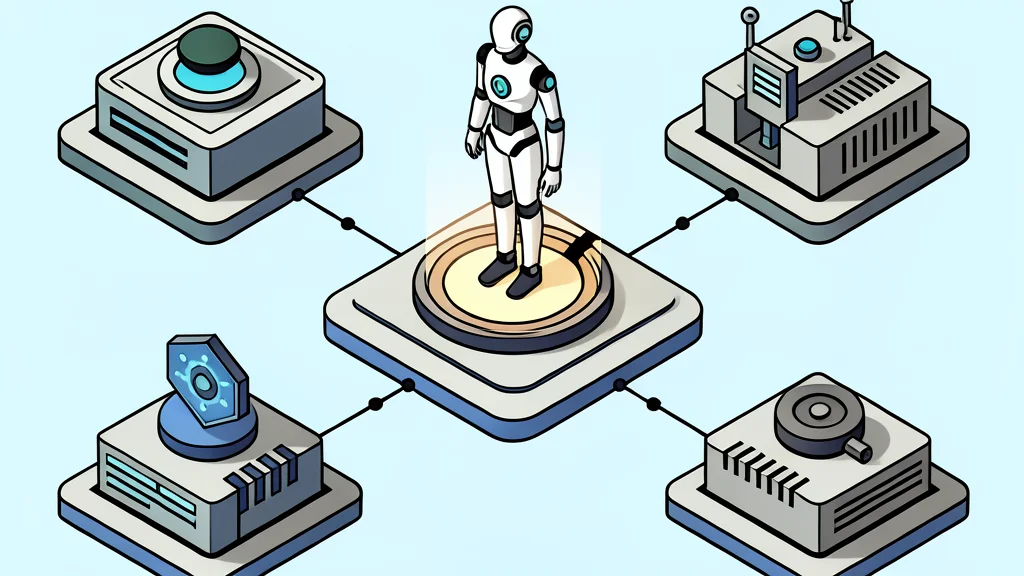
This behavior is driven by a complex system of sensors and artificial intelligence that continuously monitors the environment. The goal is to eliminate the risk of collision or injury in warehouses and other facilities where humans and machines work side by side. According to the developers, the robot can choose to move aside, halt completely, or drop to its knees depending on the specific situation it encounters.
Safety Systems Prioritize Human Presence
Working alongside heavy machinery has long raised concerns about worker safety. Malfunctions or unexpected movements can lead to serious injuries. To address this, Digit 5 uses a proprietary AI system to interpret the proximity and movement of nearby people. The robot is programmed to treat human presence as the highest priority, ensuring that it yields space rather than insisting on its own trajectory.
Pras Velagapudi, the company’s CTO, explained that the system is designed to handle a variety of scenarios. It is not a single, rigid response but a flexible set of actions. If a person is walking past, the robot may simply stand still. If the path is obstructed, it may move. If the situation requires maximum caution, it drops into a seated position. This layered approach aims to create a predictable and safe environment for human operators.
Hardware Capabilities and Operational Limits
The robot is powered by a custom AI chip from Nvidia, which processes data from vision-based sensors in real time. This hardware allows for rapid decision-making, which is crucial for reacting to sudden movements. In terms of physical capability, Digit 5 can lift up to 50 pounds repeatedly. This capacity is sufficient for many single-person lifting tasks regulated by OSHA, making it a practical tool for logistics and warehousing.
However, the robot faces significant operational trade-offs. Its battery life is limited to approximately 90 minutes of continuous use. While a full charge takes only nine minutes, this means the machine requires frequent downtime. Despite this, the company claims it can support more than 20 hours of productive work in a 24-hour cycle, assuming rapid charging stations are available. This short battery window remains a critical constraint for continuous, uninterrupted deployment in large-scale facilities.
Commercial Deployment and Industry Context
Agility Robotics has already deployed versions of its robots with major clients like Amazon and Toyota. The introduction of Digit 5 represents an effort to expand its business appeal by addressing the safety concerns that have historically slowed the adoption of autonomous machines. By making the robot visibly defer to humans, the company hopes to build trust among facility managers and workers alike.
The move comes as the industry grapples with the integration of advanced automation into human-centric environments. While the technology offers clear benefits in terms of efficiency and hazard reduction, the reliance on short battery cycles and complex AI decisions presents ongoing challenges. As reported by Futurism, this new model marks a step toward a more cautious and human-centric approach to robotic labor, though it is not without its practical limitations.