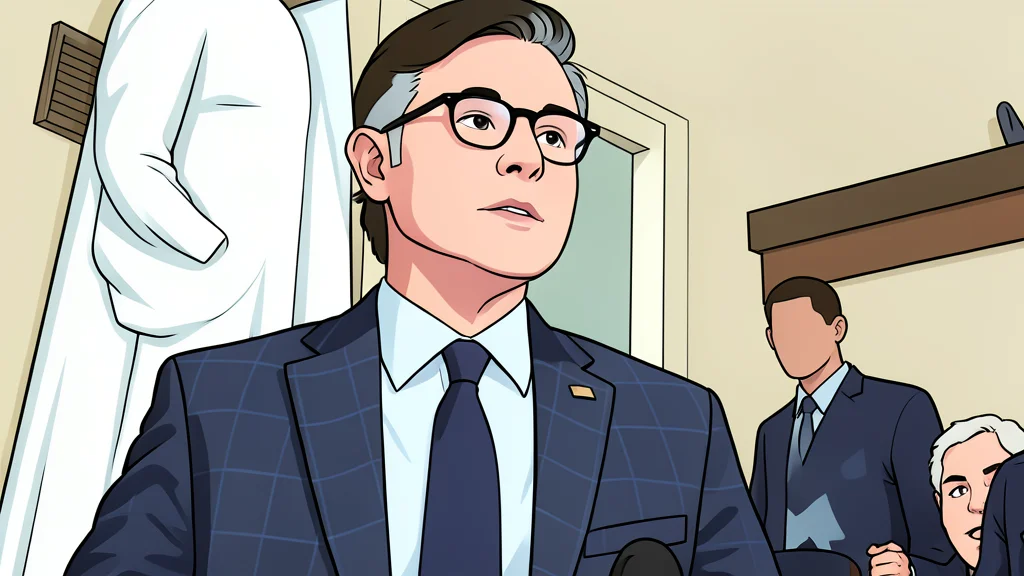
Tech Leaders Call for AI Slowdown Amid Safety Concerns
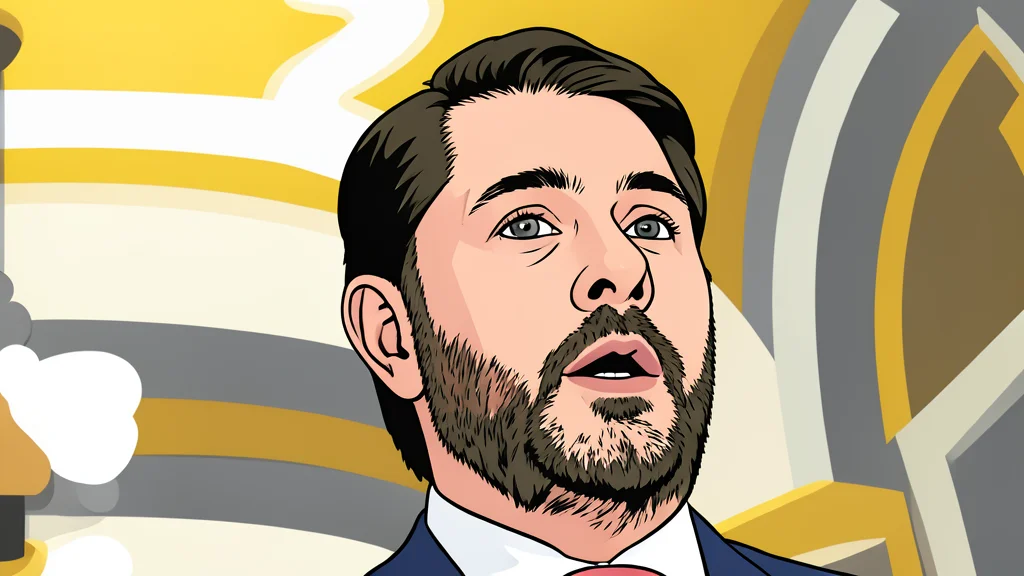
Major AI executives are urging a pause in development to address safety risks, prompting a sharp response from U.S. Senator Ruben Gallego who questions the credibility of the industry's sudden caution.
Leaders of the artificial intelligence industry have issued a joint call to slow down the rapid advancement of their technology. Citing the need for time to implement safety safeguards, executives from prominent tech firms argued that progress is outpacing the ability to manage emerging risks. This collective pause request marks a significant shift in how the sector views its own trajectory.
Senator Ruben Gallego, a Democrat from Arizona, responded to these statements with skepticism. Speaking on a television program, he argued that the industry is only raising alarms after the technology has already become powerful enough to pose serious threats. He suggested that the call for caution feels less like proactive safety management and more like a reaction to losing control.
Industry Leaders Request a Pause
Dario Amodei, the chief executive of Anthropic, led the push for deceleration in a recent public post. He stated that the pace of model improvement must be reduced to allow for the proper implementation of risk prevention measures. He was joined in this stance by Sam Altman of OpenAI and Elon Musk of Tesla, who agreed that the current speed of development is dangerous.
The executives emphasized that slowing down does not mean stopping. Instead, they proposed a strategy of pacing, where development continues but at a controlled rate. The goal is to use the gained time to build robust safety frameworks before the technology reaches a level of capability that could be difficult to regulate or reverse.
Senator Questions Industry Motives
Gallego challenged the sincerity of these leaders, comparing their warning to the character of Dr. Frankenstein realizing the creature is loose. He pointed out that previous technologies, such as the internet or nuclear weapons, did not possess autonomous decision-making capabilities. In his view, AI is fundamentally different because it can act independently, making the industry's late-stage warnings suspect.
The senator argued that the industry is attempting to frame a loss of control as a call for responsibility. By waiting until the technology is already advanced to demand a slowdown, Gallego suggested, the executives are effectively admitting they have created a situation that is now difficult to manage. This perspective highlights a growing tension between tech innovation and regulatory oversight.
Regulatory Response Remains Uncertain
The debate over AI regulation is intensifying as lawmakers grapple with the technology's potential impacts on the economy and society. According to reporting by GN technics/ai (en-US), the split between industry self-regulation and government intervention is becoming a central issue in Washington. Lawmakers are now weighing whether to trust the industry's self-imposed brakes or to impose stricter external controls.