NVIDIA Brings Native CUDA Support to Windows on Arm
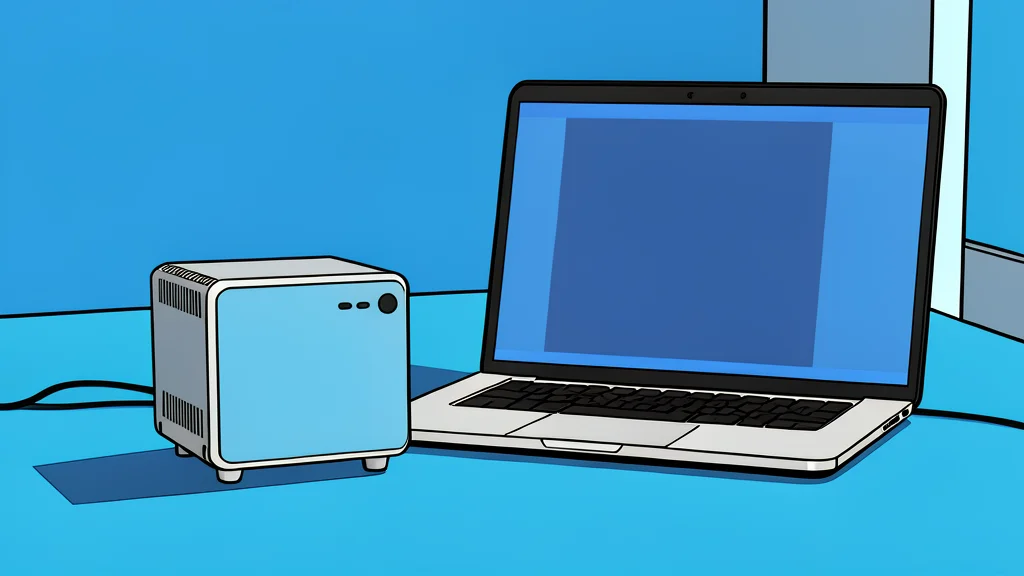
NVIDIA has finally enabled native CUDA toolkit support on Windows Arm systems, removing a major barrier for developers who previously had to rely on Linux or emulation to run GPU-accelerated code.
For years, developers working with Arm-based Windows PCs faced a significant limitation: the lack of native support for NVIDIA’s CUDA toolkit. This gap forced many to use Linux or rely on inefficient emulation to run GPU-accelerated applications. Now, that barrier is being removed. NVIDIA has announced that CUDA Toolkit 13.4 brings native support to the Windows on Arm platform, marking a first for the ecosystem.
This update is particularly relevant for the growing number of Arm-based laptops and workstations entering the market. While Windows on Arm has offered good battery life, it has often been seen as a compromise for professional developers due to missing tools. By adding CUDA support, NVIDIA addresses one of the biggest complaints about the platform, although the initial rollout is limited to specific hardware.
Initial support targets RTX Spark devices
Despite the broad headline, this is not yet a universal update for all Arm-based Windows machines. NVIDIA’s documentation and release notes specify that the initial support is tailored for RTX Spark devices. RTX Spark is NVIDIA’s compact desktop AI workstation platform. By tying the feature to this specific hardware line, the company is treating this as a targeted enablement rather than a blanket promise that every Arm laptop on the market will immediately function with full CUDA capabilities.
The technical details confirm this focused approach. The release notes list supported architectures including arm64 for Windows, which is a new addition alongside existing Linux support. However, the lack of a confirmed general availability date for a wider range of devices means users should approach claims about immediate, universal compatibility with caution. The current release is best understood as a developer preview for a specific category of high-performance Arm devices.
Removing the emulation bottleneck
The practical benefit of this change is the elimination of emulation overhead. Previously, running CUDA on Windows Arm required translating instructions, which slowed down performance and added complexity. Native support means code runs directly on the hardware, offering the speed and reliability that AI training and inference workloads demand. This is a critical step for data scientists and machine learning engineers who want to use the convenience of a Windows environment without sacrificing performance.
As reported by GN technics/hardware (en-US), this move aligns with NVIDIA’s broader strategy to push Arm-based compute across its product line. From data-center processors to desktop devices, the company is betting on the efficiency and power density of Arm architecture. By making its core software platform compatible with this hardware on Windows, NVIDIA is making the ecosystem more attractive to a wider range of professionals who may not be comfortable switching to Linux.
Caveats for prospective users
While this is a positive development, there are trade-offs to consider. The feature is currently tied to a developer-preview label, meaning it may not be as stable or fully optimized as the long-established x86 versions. Users should also note that the hardware requirements are specific. If you are considering an Arm-based Windows laptop for AI development, you must verify that it supports the specific architecture targets listed in the new toolkit, as general Arm compatibility does not guarantee CUDA support.
Until NVIDIA provides a hard general availability date and broader hardware support, this update remains a niche but significant step. It signals a shift in the industry, acknowledging that Windows on Arm is a viable platform for serious GPU compute. For now, it serves as a proof of concept that native, high-performance AI workloads can run efficiently on this architecture, setting the stage for wider adoption in the future.