Pacific Northwest Faces Uncertain Power Grid Expansion
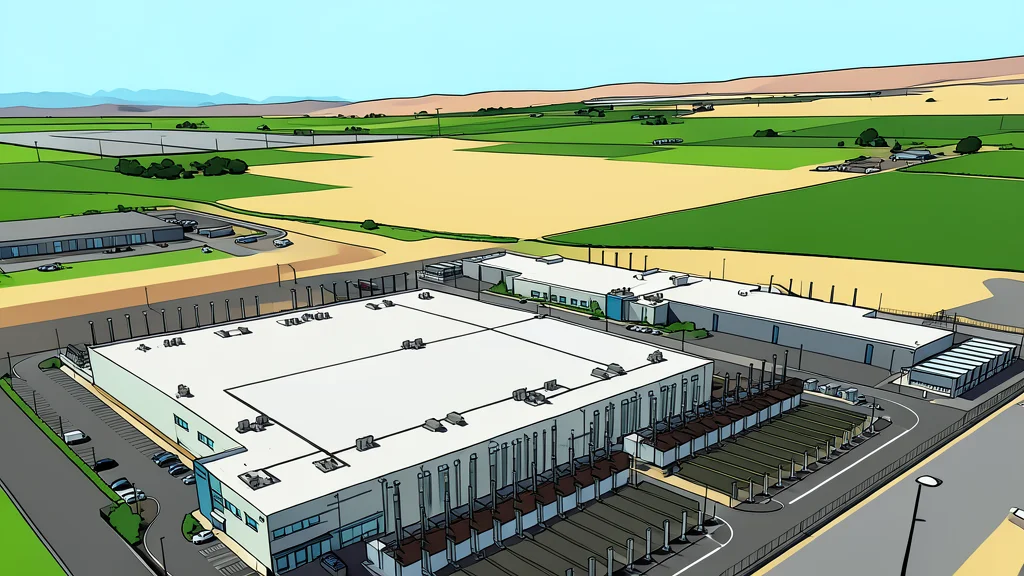
Utilities in the Pacific Northwest are preparing for a massive infrastructure build-out, but the scale remains unclear due to competing demands from AI data centers and slower electrification trends.
Utilities across the Pacific Northwest are facing a historic dilemma as they plan the region’s largest grid expansion in decades. The core issue is a profound lack of clarity regarding future electricity demand. According to the Northwest Power and Conservation Council, the region could require anywhere from 40% to 100% more power over the next twenty years. This wide range of uncertainty is primarily driven by the rapid, unpredictable growth of artificial intelligence data centers, which are arriving faster than other energy consumers.
The stakes are high for ratepayers and grid stability. If utilities build too little, the region risks widespread blackouts. If they build too much, customers will pay for unused capacity, exacerbating existing affordability concerns. KC Golden, a Washington representative on the planning council, noted that the level of uncertainty in these forecasts is unprecedented. The challenge is compounded by the fact that data centers are expected to connect to the grid first, potentially claiming scarce infrastructure before slower-growing sectors like electric vehicles and home electrification reach their full scale.
Data centers claim early grid access
Reported by GN technics/ai (en-US), the primary driver of this uncertainty is the data center industry. These facilities may consume power equivalent to the city of Seattle or up to five times that amount by 2046. Because tech companies are racing to meet AI demand, these projects are moving quickly through the approval process. This speed gives them a significant advantage in securing available transmission lines and renewable energy sources. There is a growing concern that these early connections will effectively lock out other future energy needs, leaving the grid with insufficient capacity for later arrivals.
The situation is complicated by the fact that many data center applications may be speculative or duplicates. Utility regulators are now considering stricter requirements, such as requiring developers to provide more evidence of project viability or post larger financial guarantees. However, even if data centers are required to bring their own power, they still compete for the same limited pool of transmission lines, specialized equipment, and construction workers. This competition for physical infrastructure means that early movers could shape the grid in ways that disadvantage subsequent users.
Electrification presents a later challenge
While data centers arrive in rapid bursts, the electrification of vehicles and buildings is a slower, more gradual process. This sector will grow as consumers purchase electric cars, heat pumps, and induction stoves. Although this growth is more predictable, it creates a different type of strain on the grid. These loads often require energy in concentrated bursts, a pattern that current grid operators have not yet fully optimized for. The delay in this sector’s arrival creates a window where infrastructure decisions made for data centers might not align with the needs of residential and commercial electrification.
State lawmakers and regulators are attempting to shield general customers from the high costs associated with data center infrastructure. However, current efforts do not include mechanisms to reserve specific grid capacity for future electrification needs. Some proposals suggest requiring data centers to reduce their electricity use during peak times, which could help balance the load. Yet, until these policies are finalized and implemented, utilities must proceed with construction under significant uncertainty, bearing the financial and operational risks of potential misallocation.
Billions spent on uncertain returns
The financial implications of these decisions are substantial. The build-out is expected to cost billions of dollars, with all costs ultimately passed on to consumers. The trade-off is between reliability and affordability. Building a robust grid that can handle the maximum projected demand ensures stability but may result in overcapacity if the lower end of the forecast proves accurate. Conversely, building a leaner grid saves money now but risks outages if demand spikes unexpectedly. This is a high-stakes bet on the future pace of technological and consumer adoption.
As the region moves forward, the focus shifts to how well the grid can adapt to changing needs. The lack of a clear, singular path forward means that multiple scenarios must be considered simultaneously. For residents and businesses, this translates into potential volatility in energy prices and service reliability in the coming years. The decisions made in the next few years will define the energy landscape for the next two decades, making the current period of uncertainty a critical juncture for the Pacific Northwest’s economic and environmental goals.