Pennsylvania Grid Faces Blackout Risk from Data Centers
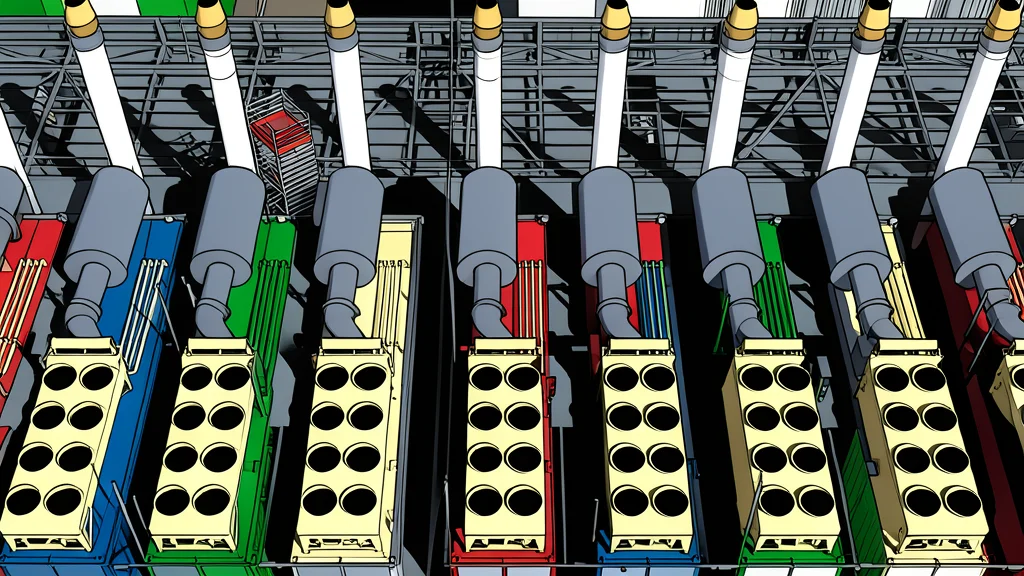
Regulators warn that surging power demands from data centers could outstrip regional supply within four years, threatening widespread outages.
Pennsylvania utility regulators have issued a stark warning that the regional electricity grid may fail to meet demand within the next four years. The primary driver of this strain is the rapid expansion of data centers, which are consuming power at a rate that existing infrastructure cannot easily support. This imbalance poses a direct risk to the reliability of electricity service for millions of households and businesses in the region.
According to a report prepared for the Pennsylvania Public Utility Commission, the situation could deteriorate significantly by 2030. Under a likely scenario, the grid may fail to meet demand roughly six times every decade. In a worst-case combination of high demand and low supply, outages could occur as frequently as 13 days per year. This represents a substantial departure from the standard reliability benchmark, which aims for outages to occur only once every ten years.
Data Centers Drive Surge in Power Use
The demand for electricity is rising sharply due to the proliferation of data centers. PJM Interconnection, the regional grid operator, projects that these facilities will account for nearly all growth in electricity consumption in the coming years. In Pennsylvania alone, 89 data centers were planned, under construction, or operating as of mid-August. The energy footprint of these facilities is massive; a single building in a major Virginia hub, for example, draws enough power to supply more than 10,000 homes.
This level of consumption creates a significant burden on the grid. The total power demand from large data center campuses can rival that of a mid-sized city. As more of these facilities come online, the pressure on the electrical system intensifies. This surge in demand is not just a local issue but a regional one, affecting the broader network that serves Delaware, New Jersey, Pennsylvania, and other states.
Supply Shortages and Rising Costs
The supply side of the equation is failing to keep pace with this rapid demand growth. PJM has fallen short of its own reliability standards in recent capacity auctions, failing to secure enough commitments from power generators to meet projected needs. Energy experts warn that without new power generation, the mismatch between surging demand and flat supply could lead to blackouts roughly once a month. This pace of outages is considered completely unsustainable for a modern economy.
Addressing this gap requires significant investment in upgrading or expanding transmission infrastructure. However, these improvements come with substantial costs. These expenses are ultimately passed through the system to consumers. The trade-off is clear: while data center development brings economic opportunities, the cost of maintaining grid reliability is increasing. Utility customers may face higher bills as the system works to accommodate these new, power-hungry loads.
Political and Community Responses
Political leaders and community members are reacting to the growing tension between data center expansion and grid stability. Pennsylvania Public Utility Commission Chairman Steve DeFrank has called on PJM to take urgent action to address the reliability concerns. He emphasized that while data centers offer economic benefits, they cannot come at the cost of reliable and affordable service for existing customers. The state has begun requiring large data center projects to disclose their projected water and energy use and to pay for the costs associated with connecting to the grid.
Community opposition has also grown, with protesters gathering outside Philadelphia City Hall to demand a halt to data center development. Although city officials state that no formal development proposals have been submitted, the sentiment reflects a broader anxiety about the impact of these facilities on local resources and infrastructure. The situation highlights a complex challenge: balancing technological growth with the fundamental need for a stable and equitable energy system.