Toddler Curiosity Sparks Debate on Early Gaming Age
A viral story about a two-year-old asking for a peek at a farming game has parents questioning whether watching a screen counts as playing.
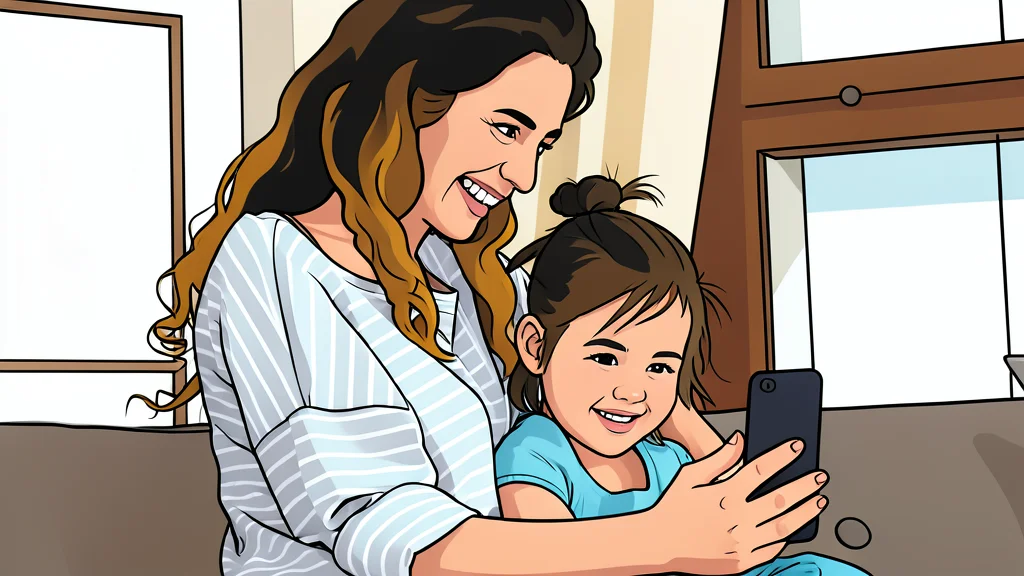
A recent online discussion has turned a quiet evening gaming session into a broader conversation about childhood development. A mother shared her experience with GN technics/gaming (en-US) after her two-year-old daughter woke up and demanded to see the virtual cows on her screen. The incident highlights a common dilemma for parents: at what point does passive observation become active participation, and is two years old too early to start?
The mother, who usually plays peaceful titles like Stardew Valley after her child sleeps, found her routine disrupted when her toddler latched onto the characters in the game. While the immediate request was cute, it raised a more complex question about cognitive development. The child’s fixation on the digital animals suggests that even brief exposure can create a strong mental attachment, prompting the parent to reconsider how and when to introduce gaming mechanics to a toddler.
Watching Screens Is Not Playing
One of the central tensions in the discussion is the distinction between watching and playing. The mother noted that while she enjoys building worlds in games like The Sims, handing a controller to a two-year-old feels premature. The physical dexterity required to navigate menus or control characters is often beyond the reach of very young children. This creates a gap where the child is emotionally invested in the content but physically incapable of engaging with it, leading to frustration or excessive demand for screen time.
Other parents in the thread pointed out that their children, who started around four or five years old, were able to derive more benefit from the games. At that age, they could understand controls and use games as a creative outlet, such as building structures in Minecraft. The consensus among these respondents is that age matters less than the child’s ability to interact with the interface. If a child cannot manage the controls, the game becomes a passive video, which may not offer the same developmental benefits as active play.
Long-Term Outcomes Remain Unclear
A respondent described their household as an unscientific long-term study, noting that their children were introduced to gaming in toddlerhood and later became regular PC players. They reported no obvious negative effects on grades, creativity, or attention span. In fact, they observed positive traits like persistence and problem-solving skills. However, they were careful to emphasize that gaming was just one piece of a larger puzzle that included stable home environments, extensive reading, and physical activities.
The narrative that early gaming leads to academic or social decline is not supported by all anecdotal evidence. One parent mentioned their oldest child, who started gaming at the youngest age in the family, eventually joined a college varsity esports team. This child also earned academic scholarships and maintained diverse interests outside of gaming. This suggests that early exposure does not inevitably lead to obsession or poor performance, provided it is balanced with other life experiences.
Context Defines The Impact
The trade-off for parents is balancing the child’s genuine curiosity with the practical limitations of their age. Some toddlers, like the daughter of one respondent, were content to simply watch, describing complex scenes in their own adorable terms. This passive engagement can be a safe middle ground, allowing the child to appreciate the visuals and narrative without the cognitive load of gameplay. The key is ensuring that screen time does not displace other essential developmental activities.
Ultimately, there is no single correct age to start gaming. The decision should depend on the child’s maturity, the type of game, and the family’s overall lifestyle. For some, it is a creative tool; for others, a source of frustration. The important takeaway is that parents should watch for signs of over-reliance or distress, and ensure that gaming remains one of many engaging activities in a child’s daily routine.