Perplexity Brings Local AI Agent to Windows with Strict Hardware Limits
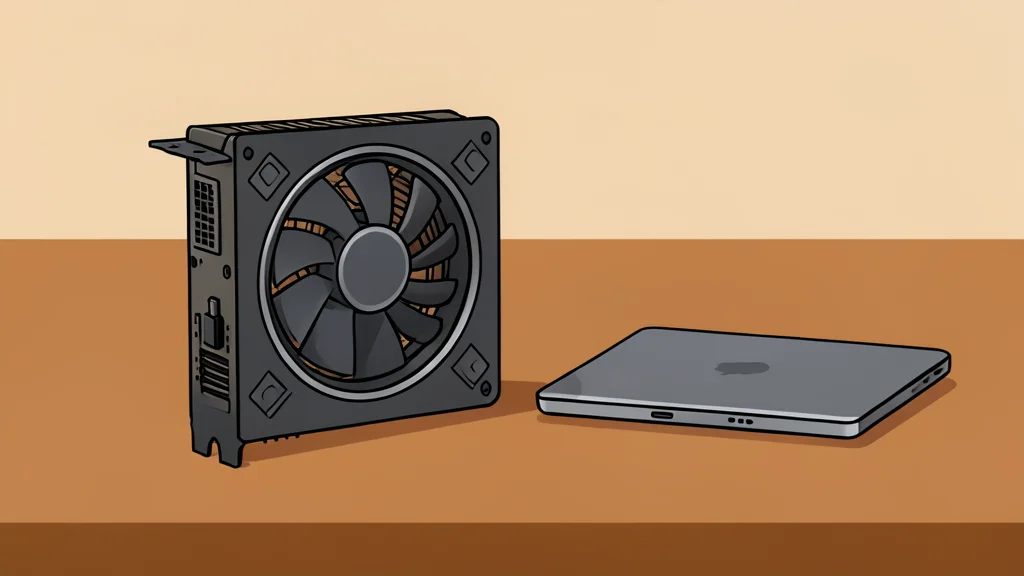
Perplexity has launched a local AI agent for Windows, but it requires high-end Nvidia graphics cards with at least 24GB of memory, limiting access to a narrow slice of PC owners.
Perplexity has released Portable Computer for Windows, a tool that runs artificial intelligence agents directly on your personal hardware. This marks a significant shift from the company's cloud-based model, allowing users to execute complex, multi-step tasks without sending data to external servers. The move brings local-first AI capabilities to the Windows ecosystem, which previously lacked this specific functionality.
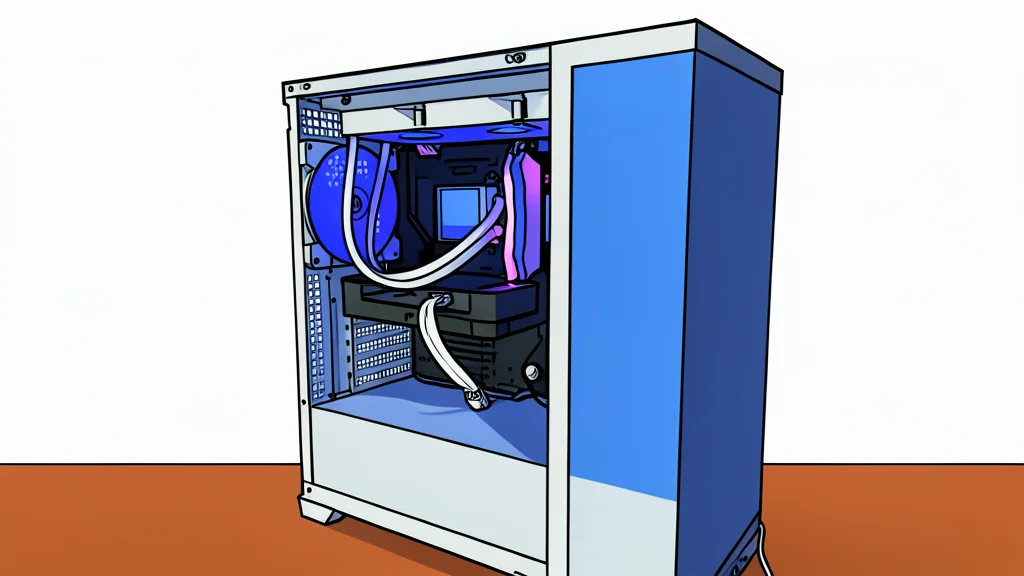
However, the release comes with a significant hardware barrier. According to Tom's Hardware, the software requires a GeForce RTX or RTX PRO GPU equipped with at least 24GB of video memory. This requirement effectively excludes most mainstream gaming and office PCs, restricting the tool to high-end workstations and enthusiast systems. Additionally, users must hold a Pro or Max subscription to access the service.
Local processing avoids cloud costs
The primary advantage of Portable Computer is its ability to run tasks locally on the user's machine. Unlike the cloud-based Perplexity Computer, which consumes credits for every task, the local version does not deduct credits for standard operations. This means users can perform repeated or long-running tasks without incurring additional usage fees. The system handles planning, executing subtasks, and generating results entirely on the local hardware.
Despite the local focus, the agent retains the ability to offload complex tasks to cloud models if explicitly permitted by the user. This hybrid approach allows for flexibility when local resources are insufficient. The software includes new features such as scheduled recurring tasks and support for local Model Context Protocol servers, which facilitate integration with desktop applications.
Narrow hardware requirements limit access
The 24GB video memory requirement acts as a strict gatekeeper. Compatible consumer cards include the RTX 3090, 3090 Ti, and 4090, all of which are high-end components. The newer RTX 5090 also qualifies with its 32GB of memory. Professional cards such as the RTX PRO 4000, 4500, 5000, and 6000 are also supported. This configuration means that the tool is not available for the vast majority of standard Windows users who rely on integrated graphics or lower-tier discrete GPUs.
For those who already own a compatible system, this release removes the need to purchase a separate specialized device. Upgrading an existing desktop with a used high-end graphics card may offer a more cost-effective path than buying the dedicated DGX Spark hardware, which carries a price tag of nearly $4,700. This makes the local AI agent accessible to a smaller but technically capable audience.
Integration with common productivity tools
The software includes pre-configured connectors for widely used services such as Microsoft Word, Google Drive, Gmail, Slack, and GitHub. This integration allows the agent to interact with these platforms to retrieve information or perform actions as part of a larger workflow. Users can also download local models with a single click, with Nvidia citing the Qwen 3.8 27B as an example of a supported model for local inference.
Perplexity and Nvidia are continuing to expand this ecosystem. Nvidia has indicated that upcoming Windows PCs from Lenovo and Acer will feature RTX Spark technology, potentially lowering the barrier to entry. Furthermore, other local agents are expected to receive similar simplified setup options. This broader strategy aims to make local AI processing a standard feature for high-performance Windows machines in the near future.