Apple Hides a Retro Dogcow Easter Egg in iOS 27
Apple has tucked a digital nod to its 1984 past into the latest operating system, offering a subtle surprise for those who know where to look.
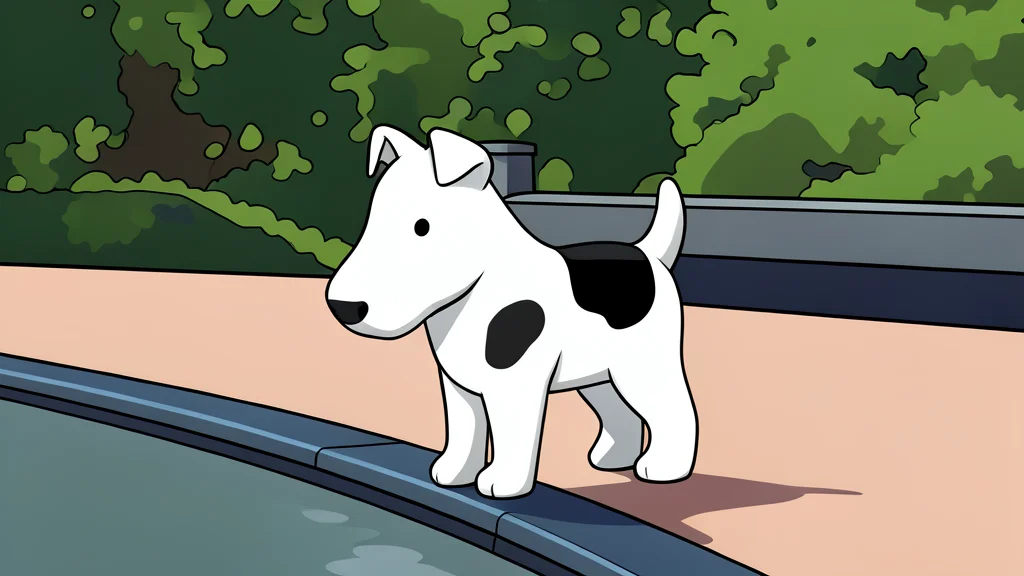
Apple has embedded a quiet tribute to its early history within iOS 17 and iPadOS 27. The company has hidden a pixel-art image of a creature known as the dogcow, a reference to a classic Macintosh development tool. This addition serves as a reminder of the playful culture that defined the company’s earliest days, contrasting with the more polished and restrained design language of modern iOS.
Discovering this feature requires a specific sequence of actions within the system settings. It is not immediately visible on the home screen or in standard apps. Instead, it resides in a dedicated section for appearance customization, accessible only after users have updated their devices to the latest software version. MacRumors reported on the location and history of this hidden element, highlighting its connection to the company’s developer heritage.
Accessing the Hidden Image
To view the dogcow, users must open the Settings app and navigate to the Appearance section. Within that menu, select the option labeled Liquid Glass. Scroll down to the bottom of the sample image carousel, which typically displays previews of the new visual effects. The image is not part of the main scrollable list. Instead, users must continue dragging upward past the final visible image until a new overlay appears.
This action reveals a search bar overlay with the word Moof displayed. Simultaneously, the background image changes to show the pixelated figure of Clarus, the dogcow. The interaction is deliberate, requiring the user to push the interface beyond its normal limits to uncover the content. This design choice ensures that the easter egg remains a discovery for enthusiasts rather than a prominent feature for general users.
Origins of the Dogcow Icon
The dogcow, named Clarus, has a distinct lineage in Apple’s history. It was originally created by designer Susan Kare in 1984 for the Cairo dingbat font included with the first Macintosh. The glyph was used as a test pattern to demonstrate page layout and print orientation in classic Mac OS. Its distinctive appearance, combining the body of a cow with the head of a dog, made it a memorable icon among early software developers.
Over time, the image became the unofficial mascot for Apple’s Developer Technical Support team. It served as a recognizable symbol for those working on the company’s software infrastructure. By including this specific bitmap in the modern iOS interface, Apple connects the current operating system to its foundational era. The image is a direct reference to the tools and aesthetics that shaped the first generation of personal computers.
A Shift in Company Culture
The inclusion of such a hidden element marks a shift from the more overt easter eggs found in older Apple software. When the company was smaller, developers frequently embedded humorous references and unauthorized jokes into their code. Today, such surprises are rare and carefully curated. They function less as rebellious acts and more as subtle nods to the company’s origins, maintaining a sense of nostalgia without disrupting the professional user experience.
This approach reflects a broader trend in Apple’s design philosophy. The company prioritizes consistency and polish, ensuring that every feature serves a clear purpose. Hidden easter eggs like the dogcow exist in the margins of this philosophy, appealing to long-time users who appreciate the historical context. It is a quiet acknowledgement of the past that does not interfere with the functionality of the present, serving as a small delight for those who take the time to find it.