Fitbit Air: 13 Years of Wearable Tech Progress
A new $99 tracker offers vastly more data than its predecessor, but the core function of counting steps remains surprisingly similar.
The wearable tech industry has undergone a significant shift away from screen-heavy smartwatches toward minimalist, screenless bands. This trend is exemplified by the recent release of the Fitbit Air, priced at $99, which competes with other discrete devices like the Oura Ring and Whoop. The market is currently favoring tools that track health metrics without demanding constant user attention, a departure from the more interactive devices of the past decade.
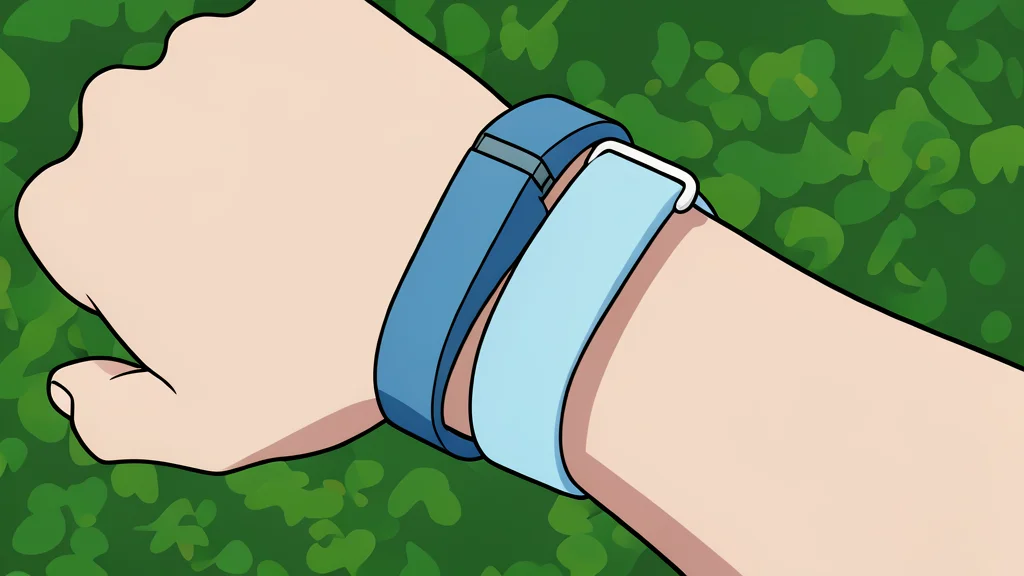
To understand how much has actually changed, it is worth comparing the new Fitbit Air against the Fitbit Flex, a device launched in 2013 for the same $99 price tag. While the Flex was a simple pedometer and sleep tracker, the Air represents a more comprehensive approach to personal health monitoring. However, a direct comparison reveals that while hardware and features have advanced, the fundamental accuracy of basic movement tracking has not improved as drastically as one might expect.
Step counting accuracy remains consistent
A recent side-by-side test involving a 13-year-old Fitbit Flex and the new Fitbit Air showed strikingly similar results for basic metrics. Over a 24-hour period, the older device recorded 9,285 steps, while the newer model counted 9,093. This minimal difference suggests that the optical sensors used to track movement have reached a level of maturity where further improvements yield diminishing returns for standard daily activities. The core utility of these devices remains reliable, even as the technology around them evolves.
Sleep tracking also showed comparable performance, with both devices recording roughly six hours and twenty minutes of rest. However, the new device provides a contextual score, whereas the older model only offered raw duration data. This distinction highlights a key trade-off: the modern tracker offers more interpretive data, but the basic measurement of time spent sleeping is no longer a significant point of differentiation between generations of hardware.
Hardware durability and comfort have improved
While the data output is similar, the user experience has changed significantly due to material and design updates. The Fitbit Flex featured a bulky rubber strap that felt stiff and uncomfortable during long-term wear. In contrast, the Fitbit Air uses a breathable woven fabric loop that is significantly lighter and more flexible. This shift in materials reflects a broader industry trend toward making wearables less noticeable, allowing users to forget they are wearing a device during daily routines.
Durability remains a weak point for both devices. During the testing period, the rubber strap of the 13-year-old Flex broke after just a few days of use, snapping when the wearer shook hands. This fragility underscores that while sensors have become more robust, the physical construction of consumer electronics remains susceptible to wear and tear. Users should be aware that even new devices may face similar structural limitations over time, despite improved comfort.
Expanded health metrics define the gap
The most significant difference between the two generations lies in the variety of data collected. The 2013 Flex only tracked steps and sleep, requiring manual input to start tracking sessions. The 2026 Air automatically detects sleep and workouts, removing the need for user intervention. Additionally, the newer device monitors heart rate, blood oxygen levels, and skin temperature, providing a more holistic view of physiological state. This expansion of metrics allows for deeper insights into health trends over time.
Battery life has also seen a modest improvement, with the Fitbit Air lasting seven days on a single charge compared to the five-day limit of the Flex. However, the older device, after being stored for over a decade, managed to hold a charge for only two days. These advances, combined with the option for AI-driven coaching within the Google Health ecosystem, mark a clear progression in capability. As reported by GN auto tech/wearables: fitness tracker, the industry has successfully added depth to its offerings, though the basic promise of counting steps remains the steady foundation of the category.