Coway Launches 1.6kg Walking Robot for Seniors
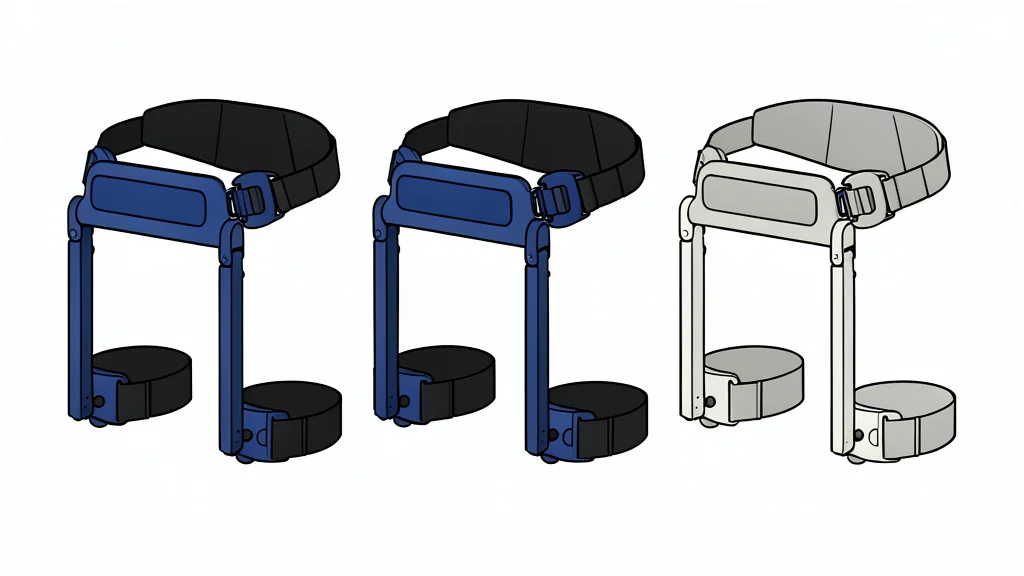
The lightweight wearable supports walking and stair climbing, available exclusively as a rental starting October.
Key points
- The 1.6kg wearable robot is designed to be worn over regular clothing to assist with walking and stair climbing.
- The device is available exclusively as a rental service, with a 50% discount on the first two months for pre-consultation reservations.
- A dedicated app tracks walking status and provides reports, adding a health-monitoring component to the physical assistance.
Coway has introduced a wearable mechanical device designed to assist seniors with walking, marking a significant step toward making robotics accessible for daily consumer use. The company announced that pre-consultation reservations are now open, with the official product release scheduled for this coming October. This launch represents a shift from industrial or medical settings to a home environment, aiming to support independent mobility for older adults.
Developed in collaboration with WIRobotics, the device is engineered to be ultra-lightweight, weighing only 1.6 kilograms. It is designed to be worn over everyday clothing using a waist belt and leg straps, eliminating the need for special medical garments. While the technology promises enhanced comfort during activities like hiking or climbing stairs, the primary trade-off is its exclusive availability as a rental service rather than a one-time purchase.
Lightweight design for daily wear
The core appeal of the device lies in its ergonomic integration with daily life. By keeping the weight under two kilograms, Coway aims to reduce the physical burden often associated with heavier assistive technologies. Users can select different walking modes depending on their environment, such as flat ground or uneven terrain, allowing the motor to adjust its support level accordingly. This flexibility is intended to make the device a practical tool for routine activities rather than a specialized piece of equipment.
However, the convenience of wearing it over regular clothes comes with the constraint of a subscription-based model. The device is not sold outright but is offered only through a rental agreement. This business model aligns with Coway’s broader strategy of providing maintenance and updates through a service relationship, but it means users must commit to ongoing monthly fees rather than owning the hardware outright.
Rental model and early discounts
To encourage early adoption, Coway is offering a promotional incentive for those who complete pre-consultation reservations. Customers who sign up for the rental service after submitting their reservation will receive a 50% discount on the first two months of fees. This offer is available through the company’s official website or via its door-to-door sales representatives, known as Cody. The promotion is limited to new rentals initiated after the reservation process is completed.
The decision to restrict the product to rental channels highlights a growing trend in the tech sector where high-maintenance or rapidly evolving hardware is offered as a service. While this lowers the initial cost barrier, it requires a long-term financial commitment. For seniors who may have variable income or uncertain needs, the lack of a purchase option is a notable limitation compared to traditional assistive devices.
Digital monitoring via dedicated app
The hardware is paired with a software component that tracks user activity. A dedicated application provides a 'Smart Walking Report,' allowing users to monitor their walking status and observe changes over time. This digital layer adds a health-tracking dimension to the physical support, potentially offering insights into gait patterns or activity levels. According to starnewskorea.com, this feature is central to the product's value proposition, positioning it as both a mobility aid and a health monitoring tool.
The device is available in three neutral colors: Pebble Gray, Pale Navy, and Sand Beige, suggesting a design focus on blending into casual attire. The integration of data tracking with physical assistance requires users to be comfortable with digital interfaces and data collection. As wearable robots expand beyond clinical settings, the balance between mechanical support and digital surveillance becomes a key consideration for consumers.