Off-Grid Charging Boosts UK Transport Resilience
Extreme weather and geopolitical conflicts are straining the UK energy grid. Researchers are testing solar-powered charging networks to keep electric vehicles moving during crises.
The United Kingdom’s transport and energy systems face mounting pressure from two distinct sources: volatile climate events and geopolitical instability. Heavy snowfall often halts road and rail services, while heatwaves cause railway tracks to buckle and overhead lines to sag. These disruptions are not isolated incidents but symptoms of a broader vulnerability in infrastructure designed for a more stable environmental baseline.
Simultaneously, global energy shocks, such as recent disruptions in the Strait of Hormuz, have driven up fuel prices and consumer costs. This dual threat highlights a critical need for the UK to decouple its transport network from centralized grid dependencies. By exploring off-grid charging solutions powered by renewable energy, the country can create a more resilient system that withstands both local weather extremes and global supply chain failures.
Climate stress tests current infrastructure
Modern transport networks are increasingly fragile under extreme conditions. When severe weather strikes, supply chains break down, limiting access to essentials like food and healthcare. The current infrastructure is reactive, often struggling to recover after damage occurs rather than preventing it. This lack of proactivity leaves communities vulnerable when the grid is already strained by peak energy demands for cooling and heating.
Solar power offers local stability
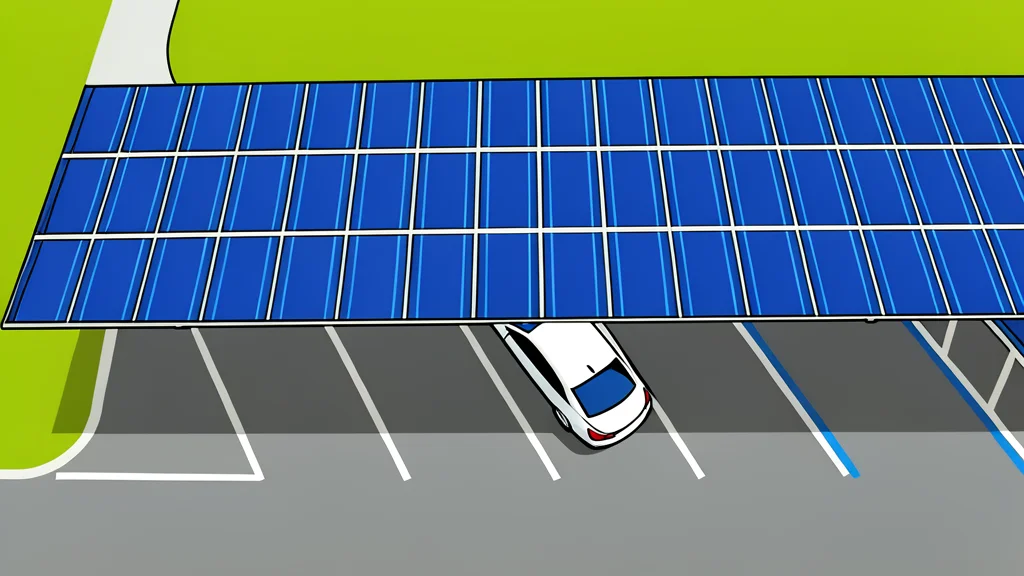
To address this, researchers are investigating how off-grid electric vehicle (EV) charging can serve as a buffer against energy shocks. A project known as Fever, which focuses on future electric vehicle energy networks, is supporting the UK’s goal of achieving zero emissions by 2035. By using solar panels and other renewables to power charging stations, the system can function independently of the main grid, ensuring that vehicles remain operational even when central power supplies are disrupted.
This approach is particularly relevant given that petrol and diesel vehicles still make up nearly 90% of the UK’s vehicle population. As the transition to EVs accelerates, the demand for electricity will rise sharply. If this demand relies solely on a centralized grid, it increases the risk of paralysis during heatwaves or other crises. Off-grid charging distributes the energy burden, reducing the strain on the main network and providing a reliable backup for both private drivers and commercial fleets.
Trade-offs in decentralized energy systems
However, this shift is not without significant trade-offs. Off-grid systems require substantial upfront investment in hardware, such as solar arrays and battery storage, which can be costly for operators. Furthermore, the efficiency of renewable sources like solar energy is weather-dependent; cloudy days or winter conditions reduce output. This means that while these systems enhance resilience, they may require larger storage capacities to ensure consistent availability, adding to the complexity and expense of deployment.
According to GN auto tech/ev, the financial viability of these systems is a key hurdle. While they offer protection against energy price volatility and grid failures, the initial capital expenditure must be balanced against the long-term savings from reduced fossil fuel dependency. For commercial fleet operators, this calculation is crucial, as downtime due to charging failures can be economically devastating. The goal is to create a system that is not just resilient but also financially sustainable for widespread adoption.
Ultimately, building energy resilience requires a proactive shift in how transport infrastructure is designed. By integrating off-grid charging with other adaptive measures, such as heat-tolerant rail alloys and diversified freight modes, the UK can build a transport network that is less susceptible to external shocks. This multi-layered approach ensures that even when one part of the system fails, the others can continue to function, maintaining access to essential services and goods.