Saskatchewan AI Data Center Expansion Sparks Debate
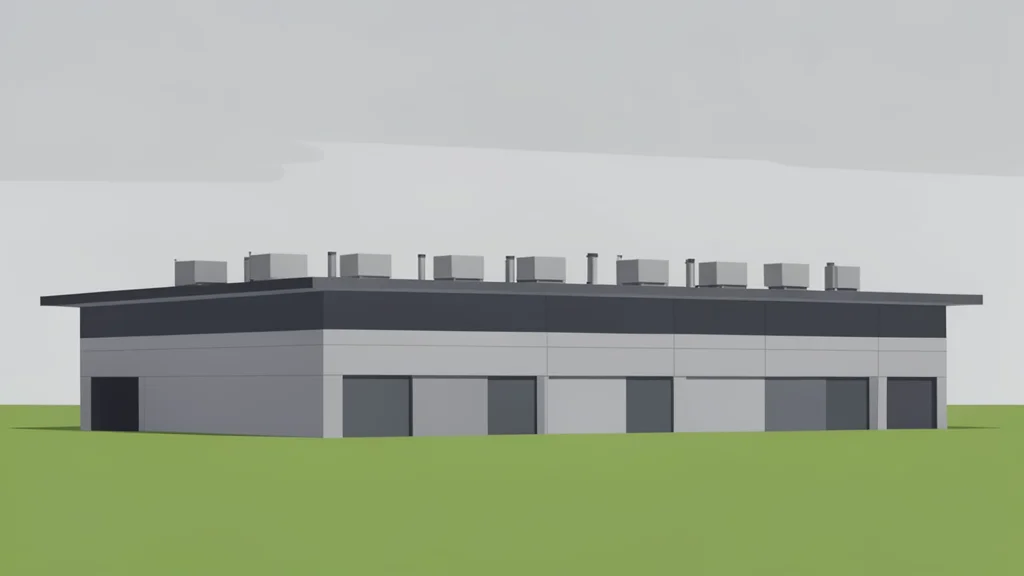
Bell Canada's plan to quadruple the capacity of its Regina data center promises significant economic gains, but tensions remain over Indigenous consultation and long-term community benefits.
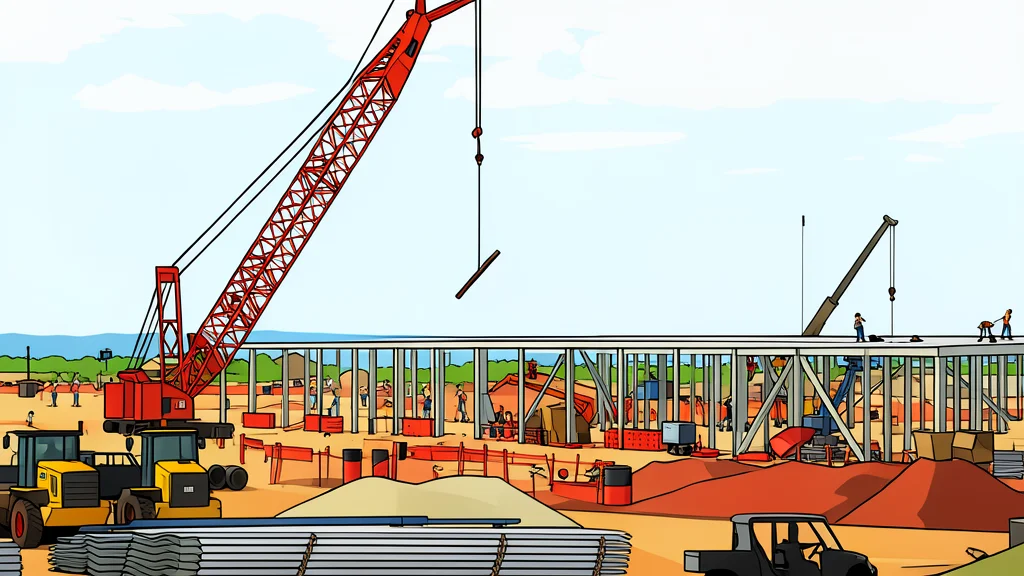
Bell Canada has announced plans to significantly expand its artificial intelligence data center near Regina, Saskatchewan. The project, which involves quadrupling the facility's scale and capacity, is scheduled to become operational next year. While company officials and the provincial government emphasize the potential for economic growth, the expansion has sparked a divided response within the neighboring George Gordon First Nation.
The development is part of a larger $50 billion initiative that Bell claims will generate $12 billion in economic revenue for the province. For the First Nation, the situation is complex. Chief Shawn Longman views the partnership as a crucial entry point for broader infrastructure development, while other community members express skepticism about whether the promised benefits will actually reach ordinary residents.
Infrastructure as a Path to Development
Chief Longman argues that the data center serves as a catalyst for much-needed improvements on the reserve. He stated that the partnership provides a
Chief Longman argues that the data center serves as a catalyst for much-needed improvements on the reserve. He stated that the partnership provides a "foot in the door" for negotiating access to vital services such as roads, water, sewage, and power. These upgrades are critical for the community's long-term stability and could potentially improve access to healthcare and education.
Longman also highlighted the potential for educational advancements, suggesting the infrastructure could support distance learning or satellite university programs. This would allow band members to pursue higher education while remaining on their traditional lands. He described the relationship with Bell as one of good faith, noting that the company has shown a willingness to work collaboratively with Indigenous peoples, a dynamic he said is relatively rare.
Concerns Over Meaningful Consultation
Despite the chief's optimism, other members of the George Gordon First Nation question the depth of the consultation process. Janna Pratt, a community member living in Regina, expressed concern that residents have not had a meaningful opportunity to participate in early decision-making. She pointed out that significant construction work has already begun, limiting the window for negotiation.
Pratt drew a historical parallel to the construction of the Canadian Pacific Railway, a project often cited by politicians as a foundational moment for Canada. She argued that while the railway built the nation, it also led to the displacement of Indigenous peoples and the destruction of their traditional livelihoods. For Pratt, this history underscores the importance of ensuring that Indigenous voices are heard before major developments alter the landscape of their territories.
Skepticism About Who Benefits Most
There is also growing skepticism about the distribution of economic benefits. Cali Longman, a student at Saskatchewan Polytechnic, worries that the financial gains will flow primarily to large corporations and investors rather than to the local community. She questioned whether the project will translate into tangible improvements for ordinary residents, suggesting that the revenue may end up in "much bigger pockets" than those of the First Nation members.
The source of this tension is the gap between high-level economic promises and local realities. While the expansion is framed as a historic opportunity for growth, the lack of early engagement and uncertainty over job creation or direct financial returns have left many community members wary. The outcome of this project will likely set a precedent for how future large-scale technological developments interact with Indigenous land and communities in Saskatchewan.