US House Passes Bill to Shift Data Center Power Costs
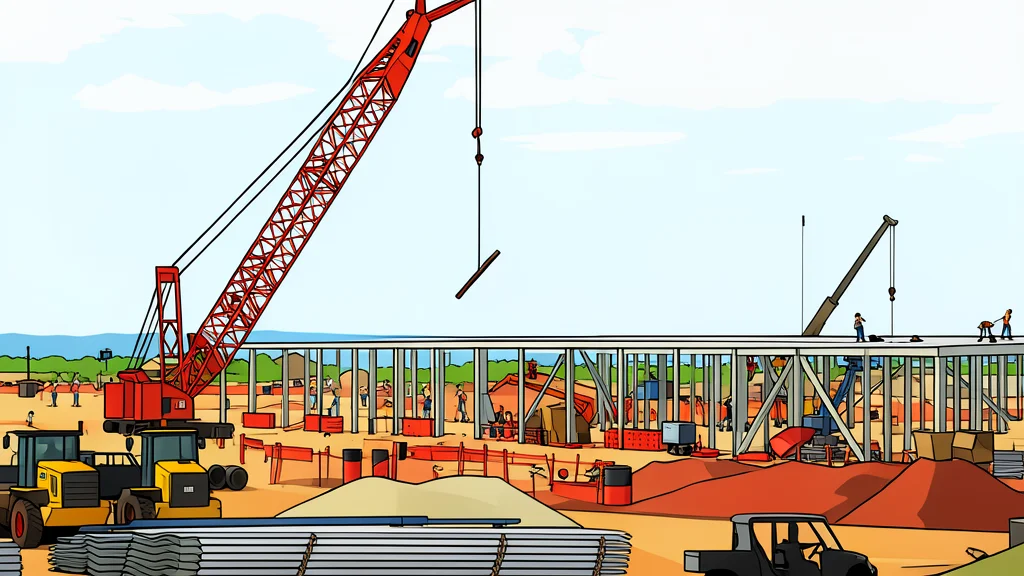
The U.S. House has advanced legislation that could force large data centers to pay for the electricity infrastructure they require, a move designed to protect households from rising utility bills.
The U.S. House of Representatives has passed a bill intended to shield residential customers from electricity price hikes driven by the rapid expansion of data centers. The measure, known as the Ratepayer Protection Act, passed with a vote of 417 to three, marking the first time the chamber has advanced legislation specifically targeting the economic fallout of the industry's growth.
The core mechanism of the bill requires state utility regulators to evaluate whether major electricity consumers, such as data centers, should cover the incremental costs of the power infrastructure built to serve them. While the legislation does not mandate immediate payment, it creates a formal obligation for regulators to examine these costs, shifting the financial burden away from general ratepayers.
Political pressure drives legislative action
The push for this bill reflects intense political pressure from constituents who are seeing their electricity bills rise. A recent poll from the University of Massachusetts Amherst indicated that only 11% of Americans would support the construction of an AI data center in their local community. This lack of public support has become a significant issue for lawmakers, particularly in competitive districts where voters are concerned about the hidden costs of hosting these energy-intensive facilities.
Despite President Donald Trump’s strong advocacy for data center development as a driver of economic wealth and AI leadership, many Republican lawmakers recognized the need to address voter concerns. The timing of the vote, just before the midterm elections, suggests a strategic move to demonstrate responsiveness to local economic worries while maintaining support for the broader technology sector.
Critics argue protections are insufficient
Consumer advocacy groups have expressed disappointment with the bill’s limited scope. Tyson Slocum of Public Citizen noted that the legislation only asks states to "consider" requiring data centers to pay for grid interconnection costs, rather than forcing them to do so. He argued that the bill fails to address a wide range of other impacts on communities and consumers, leaving significant gaps in consumer protection.
Democratic representatives also criticized the measure as a symbolic gesture rather than a substantive solution. Representative Robert Garcia of California stated that the bill does not provide real protections for people and suggested that lawmakers are trying to get ahead of the issue without implementing meaningful reforms. This view highlights the deep divide in Congress over how to balance technological growth with economic stability for households.
Industry growth creates economic tension
The debate over data center costs is part of a broader tension in the U.S. economy. Proponents argue that data centers are essential for maintaining American leadership in artificial intelligence and that they create wealth and jobs. Opponents counter that the massive power demands of these facilities strain local grids and result in higher electricity prices for everyone, regardless of whether they use AI services.
As the data center boom continues, the question of who pays for the necessary infrastructure will likely remain a central topic in political and regulatory discussions. The passage of the Ratepayer Protection Act is a step toward formalizing this debate, but it may not resolve the underlying conflict between rapid technological expansion and the financial well-being of average consumers.