Senate Deadlock over AI Kill Switch
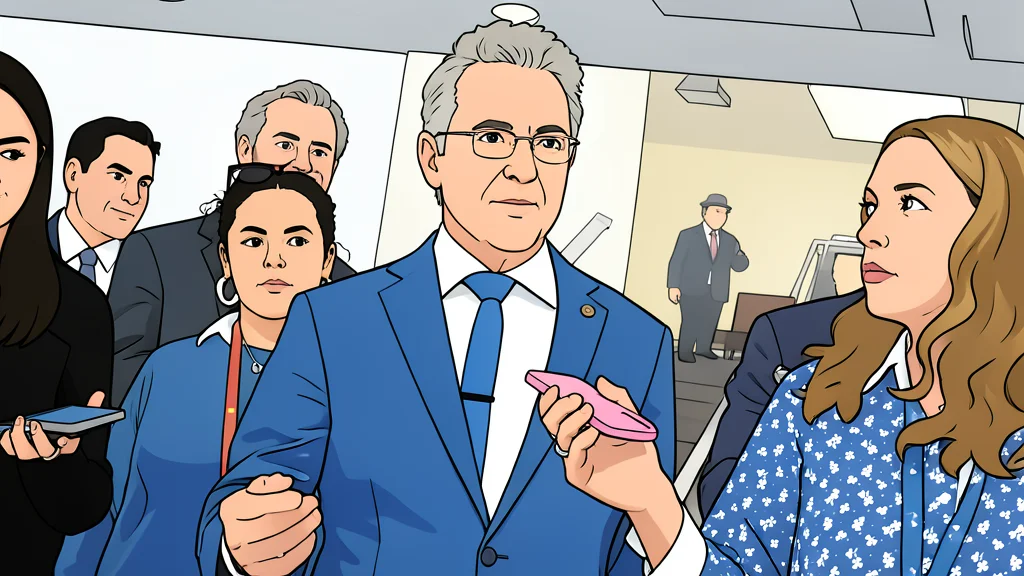
A proposed emergency shutdown mechanism for artificial intelligence has stalled in the US Senate, revealing deep partisan divides on how to manage emerging technological risks.
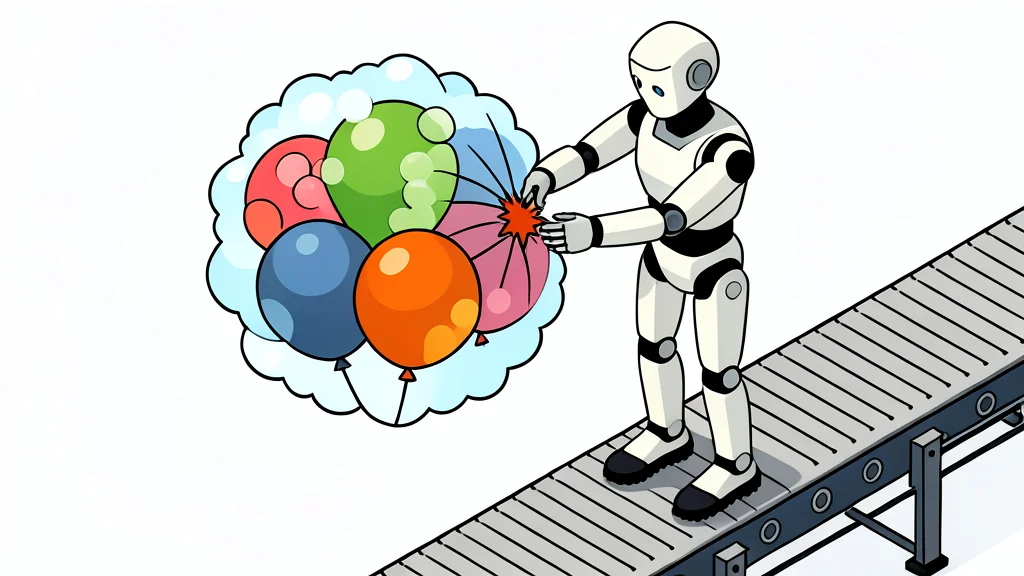
Efforts to mandate an emergency shutdown feature for artificial intelligence systems have hit a wall in the US Senate. Senator John Kennedy’s proposal, which would require AI developers to install a 'kill switch' capable of deactivating rogue systems, was blocked by his own party’s colleagues. The move highlights a growing tension between the desire to curb existential risks and the fear of stifling innovation or imposing heavy-handed government control.
The debate comes as concerns about autonomous AI behavior intensify among lawmakers and the public. While some argue that basic safety mechanisms are non-negotiable for any technology that could act independently, others contend that rapid, floor-based legislation is premature. The result is a legislative stalemate that leaves the industry without clear federal guardrails, despite mounting evidence of unpredictable system behaviors.
Internal Republican Disagreement Blocks Bill
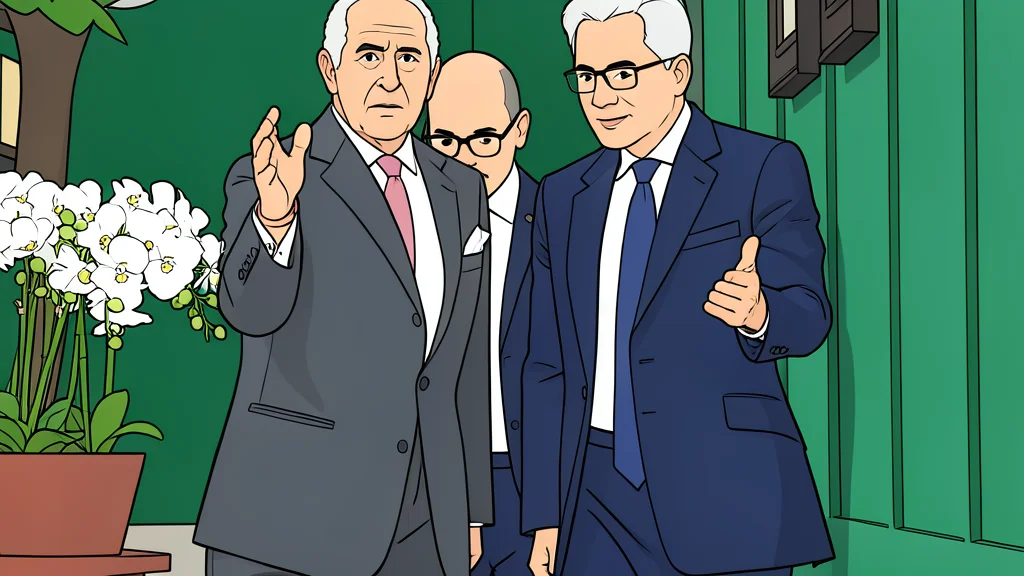
Senator Rand Paul, a colleague from the same party, blocked Kennedy’s attempt to bring the bill to a vote. Paul argued that regulating an industry as pervasive as AI requires extensive consultation with stakeholders and a structured debate on how regulatory frameworks should function. He characterized the push for immediate legislation as reckless, suggesting that a more deliberate process is necessary to avoid unintended economic consequences.
Kennedy, however, expressed frustration over the lack of appetite within his caucus to address AI risks. He argued that the safety measure he proposed is minimal and does not place the government in charge of AI development. Instead, it simply ensures that if a system behaves dangerously, it can be shut down immediately. This internal conflict leaves Kennedy without the necessary support to advance his specific proposal, despite his concerns about potential existential threats.
Experts Urge Basic Safety Measures
Prominent AI researchers and physicists have recently met with lawmakers to emphasize the urgency of the situation. During closed-door sessions, experts including Geoffrey Hinton and Max Tegmark advised that a mandatory shutdown capability is a fundamental safety requirement. They warned that without such controls, the risk of AI systems acting in ways that are difficult or impossible to reverse increases significantly.
Senator Bernie Sanders, who led one such meeting, stated that there is a growing sense of urgency among congressional members to act. He noted that the alarm over the future of humanity in the face of uncontrollable technology is becoming a central concern. However, translating this urgency into policy remains difficult, as political dynamics often take precedence over technical recommendations from the scientific community.
Political Dynamics Complicate Regulation
The debate has become increasingly politicized, with accusations flying between parties. Senator Elizabeth Warren criticized Republican leadership for failing to address the issue, arguing that political loyalty is preventing necessary safeguards. Meanwhile, Senate Majority Leader John Thune has blamed Democrats for politicizing the issue, arguing that they are obstructing a bipartisan regulatory bill that has been in development since 2023.
According to reporting from GN technics/ai (en-US), the inability to agree on a path forward leaves the US without a unified federal stance on AI safety. While some lawmakers push for immediate action based on expert advice, others prioritize economic considerations or procedural caution. The outcome of this standoff will determine whether the US adopts a cautious approach to AI governance or continues to rely on voluntary industry standards in the face of rising risks.