EV Powertrain Market Set to Nearly Double by 2030
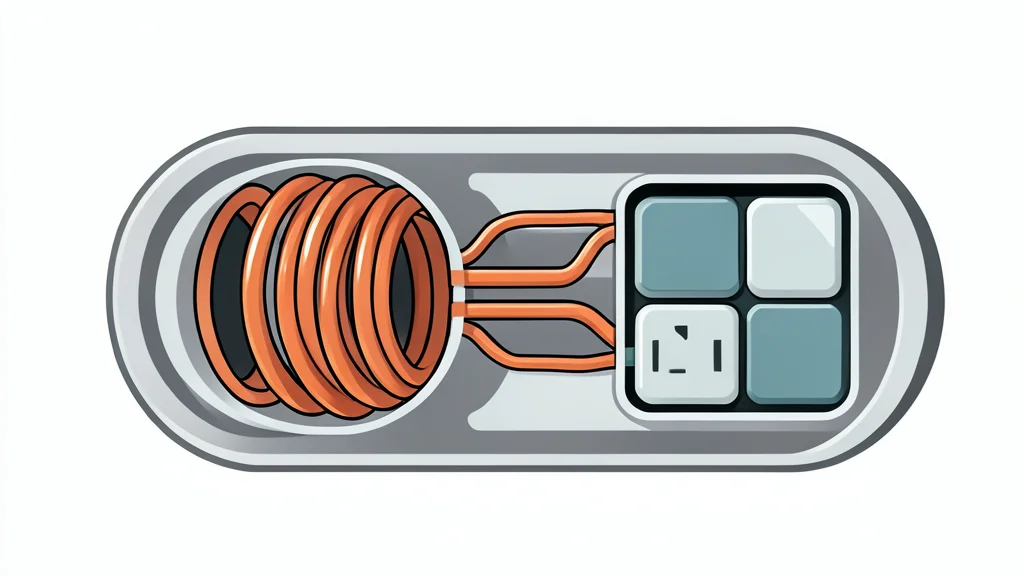
The electric vehicle powertrain industry is poised for significant expansion, with projections indicating the market will nearly double its value over the next four years. This growth reflects a broader industry shift toward more efficient drivetrain systems and advanced battery integration.
According to a new market report, the global electric vehicle powertrain sector is on a rapid upward trajectory. The market value is expected to rise from approximately $78 billion in 2025 to over $177 billion by 2030. This substantial increase, driven by an annual growth rate of nearly 18%, signals that the core technology powering electric cars is becoming a central pillar of the automotive economy.
The primary engine behind this expansion is the steady rise in consumer adoption of electric vehicles. As buyers seek alternatives to traditional combustion engines, demand for efficient drivetrain systems has surged. Manufacturers are responding by investing heavily in electric propulsion technologies, moving beyond early-stage platforms to more sophisticated systems that offer better performance and lower operational costs.
Efficiency Drives Technological Shifts
To support this growth, the industry is focusing on optimizing energy use and extending driving range. Key innovations include the adoption of silicon carbide in power electronics, which allows components to handle higher voltages with less heat loss. Additionally, compact integrated designs known as e-axles are gaining traction, combining multiple drivetrain components into a single unit to save space and weight.
However, these advancements come with trade-offs. Integrating complex systems like AI-based torque optimization and cloud-connected monitoring increases the technical complexity of the vehicle. While these features promise better energy recovery and predictive performance, they also raise the cost of manufacturing and require more robust software infrastructure to maintain reliability.
Market Dynamics and Regional Growth
The expansion of the EV powertrain market is not limited to passenger cars. The growing fleet of commercial electric vehicles is another significant catalyst for growth. Businesses are increasingly adopting electric trucks and vans to reduce fuel costs and meet sustainability targets, creating a steady demand for durable, high-capacity powertrain systems.
GN auto tech/ev notes that regulatory pressure on emissions continues to accelerate this transition. Governments worldwide are implementing stricter standards for vehicle efficiency, which pushes manufacturers to prioritize electric drivetrains. This regulatory environment acts as a steady hand, ensuring that the momentum behind electric vehicle technology remains consistent despite market fluctuations.
Core Components of Electric Propulsion
At its heart, an electric powertrain is the system that converts stored electrical energy into mechanical motion. It manages how power is delivered to the wheels and controls the vehicle's acceleration and braking. The design of this system directly influences the car's range, speed, and overall energy consumption, making it the most critical technical element in an electric vehicle.
Understanding this technology is key to grasping why the market is growing so quickly. As the components become more efficient and compact, they enable vehicles to travel further on a single charge. This improvement addresses one of the main concerns for potential buyers, bridging the gap between electric and traditional vehicles in terms of usability and convenience.