Second-Life EV Batteries Drive Rapid Market Growth
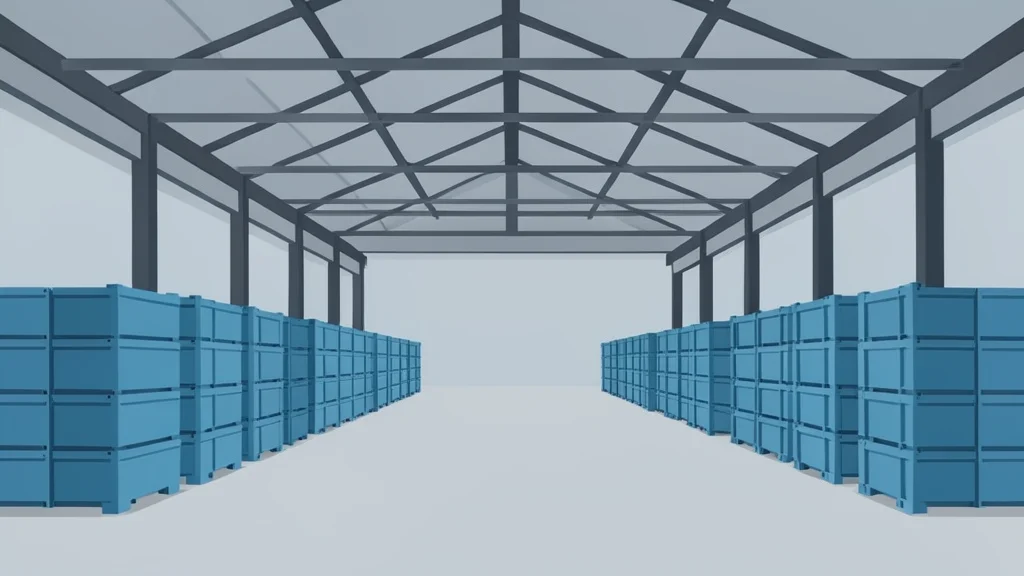
Used electric vehicle batteries are becoming a critical resource for grid stability, with the reuse sector projected to quadruple in value by 2030.
The global market for repurposing electric vehicle batteries is entering a period of rapid expansion. According to a new report from The Business Research Company, the sector is expected to grow from 1.66 billion dollars in 2025 to 7.56 billion dollars by 2030. This trajectory represents a compound annual growth rate of 35.5 percent, signaling a significant shift in how the industry handles end-of-life automotive power sources.
This growth is driven by the need to extend the utility of lithium-ion cells that are no longer suitable for cars but remain capable of storing energy for other applications. As electric vehicle adoption increases, the volume of retired batteries rises, creating both an environmental challenge and a commercial opportunity for grid-scale storage solutions.
Economic Drivers Behind Battery Reuse
The primary catalyst for this market is the rising demand for cost-effective energy storage. New lithium-ion batteries are expensive to manufacture, making reused units an attractive alternative for stationary applications like backup power and grid stabilization. This approach reduces the overall cost of ownership for energy systems while minimizing the environmental impact of discarding functional components.
Additionally, limited advancements in recycling infrastructure have made reuse a more immediate viable option. By keeping batteries in circulation for secondary roles, the industry delays the need for complex recycling processes. This extends the value derived from the raw materials and supports broader sustainability goals by reducing the demand for new lithium extraction.
Technological Barriers To Overcome
Despite the financial incentives, significant technical hurdles remain. A major catch in this sector is the variability in the health of second-life batteries. Unlike new cells, used batteries have uneven degradation patterns, making their performance less predictable. This inconsistency complicates their integration into large-scale grid systems where reliability is paramount.
To address these issues, the industry is investing in advanced diagnostic tools. Technologies such as AI-powered health assessments and digital twin simulations are being developed to accurately forecast the remaining lifespan of repurposed units. Standardized testing protocols are also emerging to certify battery quality, though widespread adoption of these standards is still in progress.
Future Outlook And Industry Trends
Looking ahead, the integration of reused batteries into distributed energy systems is set to accelerate. The Business Research Company highlights that improvements in battery diagnostics and blockchain-based tracking will play crucial roles in this expansion. These tools aim to provide transparency and trust in the secondary market by certifying the lifecycle and performance history of each unit.
The sector is also seeing the application of augmented reality for maintenance training and predictive analytics for demand forecasting. While these innovations promise to streamline operations, the market's success will ultimately depend on overcoming the inherent uncertainties of aging hardware. The transition from automotive use to stationary storage remains a complex logistical and technical challenge that requires continuous innovation.