Senate Launches Bipartisan Science and AI Caucus
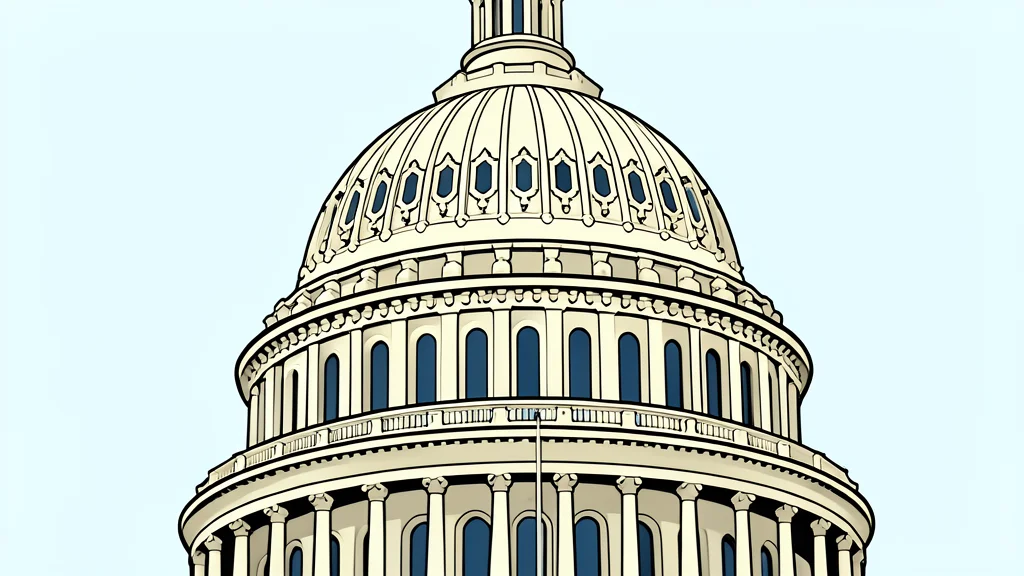
A new group of senators is forming to tackle AI regulation and broader scientific innovation, balancing national security goals with the need for caution.
Senators from both major parties have officially launched a new bipartisan science and innovation caucus. The group, led by John Hickenlooper of Colorado and Dave McCormick of Pennsylvania, aims to place scientific research and artificial intelligence policy at the center of legislative debate. While the caucus covers a wide range of scientific topics, its immediate focus is on establishing a framework for AI regulation that reflects current technological realities.
The initiative responds to growing concerns about the rapid pace of AI development and the need for coherent federal oversight. By creating a dedicated space for these discussions, the senators hope to bridge the gap between technical capability and public safety. The group intends to move quickly, acknowledging that the landscape of AI is shifting faster than traditional legislative processes can typically handle.
Balancing Innovation With Safety
Hickenlooper emphasized that the caucus will prioritize caution in the face of global competition. He acknowledged the intense rivalry with countries like China to develop advanced AI systems but argued that this race does not justify ignoring potential risks. The senator stated that the group must ensure AI systems do not operate without adequate controls that could lead to significant damage or unintended consequences.
This approach highlights a core trade-off in current policy discussions: the desire to maintain technological leadership versus the imperative to prevent harm. The caucus plans to examine how legislation can support the economic and national security benefits of AI while simultaneously addressing its threats. This dual focus aims to create a regulatory environment that is neither overly restrictive nor dangerously permissive.
Broader Scope Beyond AI
Although AI is the most prominent topic, the caucus’s mandate extends to the broader U.S. scientific enterprise. McCormick noted that historical American advantages have often stemmed from investments in science and high-level entrepreneurship. The group intends to investigate how current policies affect these areas and how legislation can better support the growth of research institutions and startups.
The new body operates alongside existing committees, such as the Senate Commerce Subcommittee on Consumer Protection, Technology and Data Privacy. Hickenlooper acknowledged that there is significant overlap in jurisdiction regarding AI subject matter. However, the caucus is designed to provide a more focused, bipartisan forum for addressing the complex, cross-sector impacts of scientific and technological advancement.
Context of Emerging AI Committees
The formation of this Senate group arrives as House Democrats consider creating a new select committee on AI if they gain control of the chamber in upcoming midterm elections. This parallel development signals a broader legislative interest in dedicated bodies for overseeing technology. The source GN technics/ai (en-US) reports that these efforts reflect a growing consensus that AI requires specialized legislative attention beyond general tech policy committees.
As the caucus begins its work, it faces the challenge of translating complex technical issues into actionable policy. The stakes involve not just the future of the tech industry, but also the safety and security of the public. The group’s early moves will likely set the tone for how the U.S. government approaches the regulation of one of the most consequential technologies of the century.