VW's Teardrop Prototype Cuts Energy Use by 30 Percent
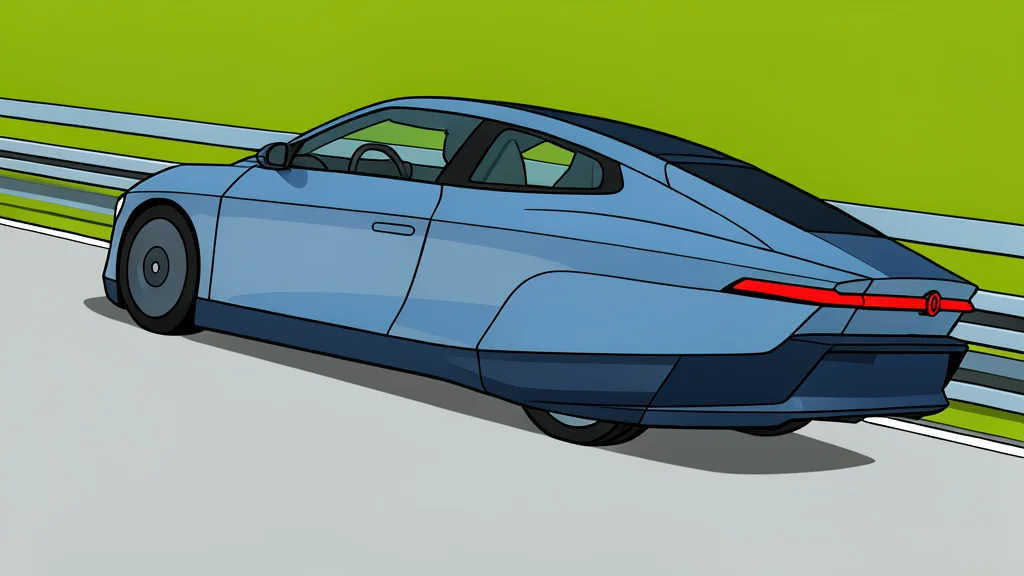
Volkswagen has revealed a sleek prototype that achieves record-breaking efficiency using current production parts, proving that major range gains are possible without exotic materials.
Volkswagen has unveiled the Mission Efficiency, a prototype electric vehicle designed to prove that significant range improvements are possible using existing manufacturing technology. The car features a distinctive teardrop shape that minimizes air resistance, setting a new benchmark for road-approved vehicles. By integrating components from the current ID. Polo lineup, the manufacturer demonstrates that efficiency gains do not require exclusive, high-cost engineering.
According to reporting by GN auto tech/ev, the vehicle achieved a coefficient of drag of 0.158, a figure that outperforms many current competitors. In a real-world test spanning over 1,200 kilometers from Germany to Austria, the car consumed an average of 7.51 kWh per 100 km including charging losses. This performance suggests that future production models could offer substantially longer ranges without increasing battery size or cost.
Aerodynamics drive significant savings
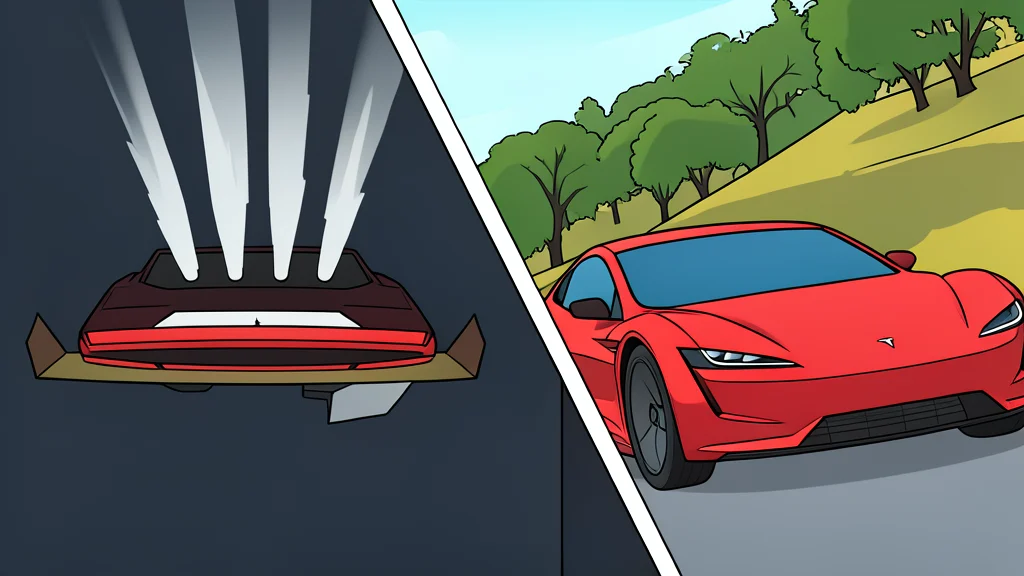
The primary factor behind the car's efficiency is its streamlined design. The body features a small frontal area, clad rear wheels, and a fully covered underbody to smooth airflow. Door handles are integrated into the outer skin to reduce turbulence. These design choices result in energy consumption that is more than 30 percent lower than the standard ID. Polo at speeds above 80 km/h.
At higher speeds, the difference becomes even more pronounced. At 140 km/h, the prototype requires approximately the same amount of energy as the standard model does at 100 km/h. This reduction in drag means that the vehicle can travel further on a single charge, particularly on highways where air resistance typically consumes the most power.
Practical compromises in passenger space
While the efficiency gains are substantial, the design imposes clear limitations on interior space. The vehicle is a four-seater with a fixed headroom constraint in the rear. The back seats are only suitable for passengers up to 1.60 meters tall, meaning it cannot comfortably accommodate four full-sized adults. This trade-off prioritizes aerodynamic performance over maximum seating capacity.
The prototype also removes the traditional infotainment screen. Instead, it relies on a bring-your-own-device concept, using a smartphone or tablet for navigation and media. This approach reduces weight and complexity but requires drivers to have their own compatible devices. The vehicle also includes a photovoltaic roof system that can add up to 30 kilometers of range per day under optimal conditions.
Production readiness and cost implications
Volkswagen emphasizes that the prototype is built on the MEB+ platform, which is already used for current production models. This means the technology is not a distant concept but a near-term possibility. The use of standard components from the ID. Polo and ID. Cross suggests that these efficiency features could be added to future mass-market cars without significantly increasing the price.
The company argues that this approach makes advanced efficiency accessible to a broader audience. Rather than restricting high-performance technology to premium models, Volkswagen aims to integrate these aerodynamic and structural improvements into its mainstream lineup. This strategy could help reduce the overall cost of ownership for electric vehicle buyers by extending the range of existing batteries.