Spain Proposes Strict Rules to Curb Data Center Energy Waste
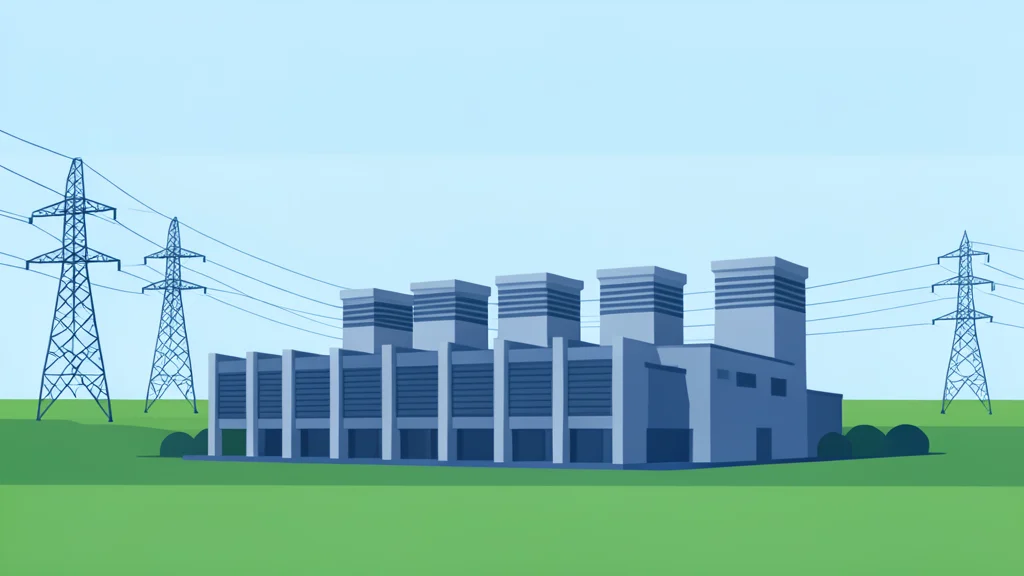
Madrid is drafting regulations to ensure new data centers do not strain the grid, requiring them to fund renewable energy and disclose efficiency metrics.
Key points
- Ireland's data centers used 21% of its electricity in 2023, a share expected to rise to 32% this year.
- Spain proposes that new data center demand must be offset by newly built renewable energy capacity.
- 71% of Americans oppose data center construction in their local communities, according to a Gallup poll.
The rapid expansion of artificial intelligence infrastructure has turned data centers into a flashpoint for environmental and economic debate. As these facilities consume vast amounts of electricity and water, they are increasingly viewed not just as tech assets, but as sources of local strain. The pressure is mounting because every cloud service and AI model relies on physical hardware that demands continuous power, placing significant load on regional grids.
According to a report by The Korea Herald, Spain is moving to address this issue proactively rather than waiting for a crisis. The government has launched a public consultation on a new regulatory framework designed to manage the surge in demand. This approach aims to separate sustainable projects from those that would merely burden existing resources without providing sufficient economic benefit.
Global data centers strain local power grids
International examples illustrate the risks of unregulated growth. In Ireland, data centers consumed 21 percent of the country’s electricity in 2023, a figure projected to rise to 32 percent this year. In the United States, their share of total demand is expected to triple from 4 percent to 12 percent by 2028. These shifts have triggered political backlash, with a Gallup poll indicating that 71 percent of Americans oppose new construction in their communities.
Beyond energy costs, researchers have identified secondary environmental effects. Studies from Cambridge University point to a "data heat island effect," where large facilities raise the ambient temperature of surrounding areas. These tangible impacts explain why reactive measures, such as the temporary moratorium in New York, are often seen as too little, too late compared to upfront planning.
Spain sets new efficiency and disclosure standards
Spain is currently seeing investor interest that far exceeds its projected energy capacity. While estimates suggest computing power demand will reach 4 gigawatts by 2030, current permit requests are several times higher. The proposed regulation introduces strict energy and water-efficiency standards, requiring operators to disclose key performance indicators. This transparency allows regulators to compare resource use and discourage wasteful practices before they become entrenched.
New demand must fund clean energy
A core tenet of the Spanish proposal is that new electricity demand must be matched by new renewable capacity. The framework requires data centers to support a significant portion of their consumption through newly built clean-energy projects. This ensures that large consumers do not compete with existing demand or drive reliance on fossil fuels, but instead catalyze investment in the energy transition.
The trade-off is clear: access to the grid will become a scarce strategic asset, reserved for projects with credible viability and economic contribution. By establishing these rules now, Spain aims to avoid the costly delays and cancellations seen elsewhere. The goal is to align private incentives with public interests, ensuring that technological growth does not come at the expense of community resources.