US UN Ambassador Sees Room for AI Guardrails, Not Throttling
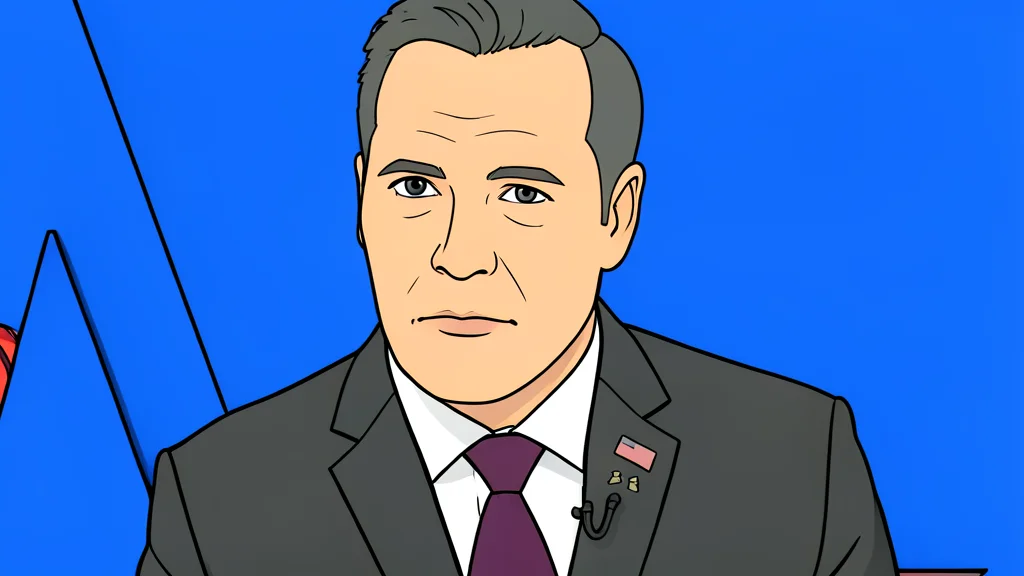
Mike Waltz argues the US can regulate AI risks while protecting innovation, a stance that contrasts with the Trump administration's current approach.
Key points
- US UN Ambassador Mike Waltz supports AI guardrails but opposes regulations that throttle innovation.
- Waltz's stance contrasts with the Trump administration's dismissal of AI risks and Obama's call for regulation.
- The US is seeking a balance between managing AI risks and maintaining its global tech leadership.
US Ambassador to the United Nations Mike Waltz has stated that there is room for regulatory frameworks on artificial intelligence, provided they do not stifle American innovation. Speaking to CNN on Sunday, Waltz emphasized that while concerns about AI are growing, the United States cannot afford to slow down its tech sector.
This position places him in a distinct camp from the current White House leadership. The statement highlights a growing tension within the US political landscape regarding how much control the government should exert over rapidly evolving technologies, balancing safety against economic competitiveness.
Balancing safety and innovation
Waltz’s comments suggest a preference for targeted rules rather than broad restrictions. He described the need for "guardrails" that manage risk without acting as a brake on progress. This approach aims to address potential dangers of AI while maintaining the US's leading position in global technology development.
The trade-off is clear: strict regulation could protect public interest but might push development to less regulated jurisdictions. By advocating for a measured path, Waltz signals that Washington is seeking a middle ground that acknowledges both the power and the peril of the technology.
Political divide over regulation
The ambassador’s stance contrasts sharply with the recent dismissal of AI concerns by the Trump administration. Former President Barack Obama has also called for government action, criticizing the current administration for downplaying the risks of rapid AI development. This creates a visible split between those who urge caution and those who prioritize deregulation.
CNN’s reporting on this topic highlights the broader political debate occurring within the US. While some officials push for immediate regulatory frameworks, others argue that excessive government intervention could undermine the competitive advantage of American companies in the global market.
Implications for US policy
If the US adopts the "guardrails" approach, it would likely involve specific standards for AI development rather than blanket bans. This could affect how companies deploy new models and how data is handled, creating a new regulatory landscape for the tech industry.
Ultimately, the outcome will depend on whether policymakers can define what constitutes a necessary safety measure versus an unnecessary barrier. The next few months will likely see increased debate over the precise nature of these rules and their potential impact on the US economy.