Survey Shows Growing US Concern over AI Environmental Costs
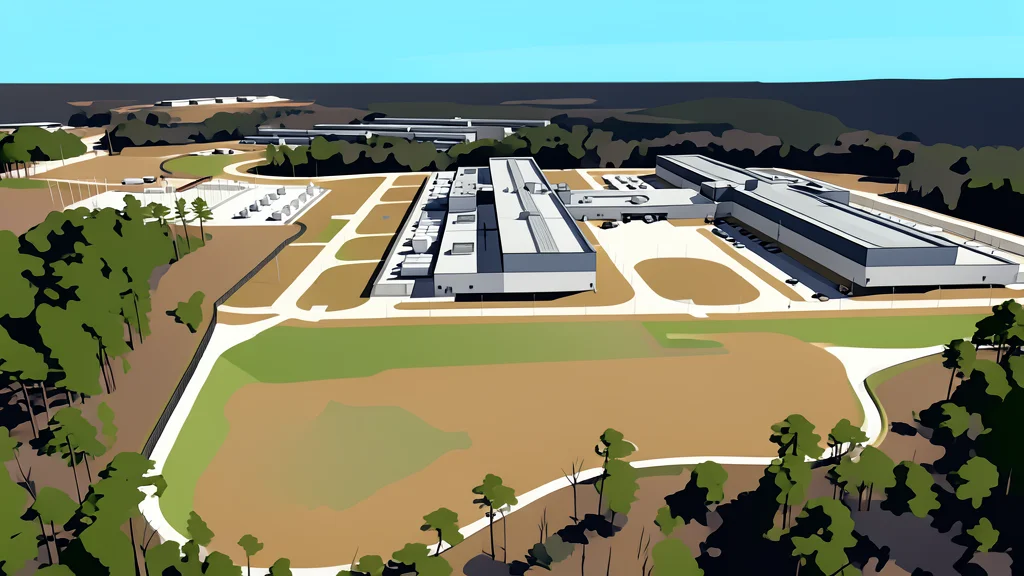
A new poll indicates that nearly half of Americans believe artificial intelligence will damage the environment more than it will help it over the next decade, marking a significant shift in public perception.
Public skepticism toward artificial intelligence is hardening, with a majority of Americans now viewing the technology as a net negative for the planet. According to a recent survey, 47 percent of respondents believe AI will do more harm than good to the environment in the coming ten years. This stands in stark contrast to the 15 percent who expect it to be a net positive. The data reflects a broader trend where environmental concerns are becoming central to the political debate surrounding emerging technologies.
The shift in sentiment is notable because it marks a sharp increase from previous years. In 2025, only 33 percent of participants in a similar study held the view that AI would be environmentally detrimental. The current figures suggest that public anxiety is rising as the infrastructure required to support these systems becomes more visible and energy-intensive. This growing concern is now a key talking point in the ongoing midterm election cycle, alongside issues like privacy and data center construction.
Data centers drive rising emissions
The primary driver of this environmental concern is the massive energy consumption required for data centers. Microsoft recently reported that its carbon emissions increased by 25 percent last year, a figure the company attributed largely to the expansion of its data center infrastructure. While the company argues that this short-term increase is necessary to develop more carbon-free electricity in the long run, the immediate impact on carbon output is undeniable. This trade-off between rapid technological growth and sustainability is a major point of contention for critics.
The AP/NORC poll, which was funded by the University of Chicago’s Energy Policy Institute, surveyed 3,424 respondents between July 6 and July 24. The findings have a margin of error of plus or minus 2.2 percentage points. The report highlights that while 19 percent of respondents believe AI will not make a significant difference to the environment, and 18 percent remain unsure, the trend is clearly moving toward concern. This sentiment is reinforced by the visible expansion of industrial facilities that power these AI models.
Political tensions over tech regulation
As the midterm elections approach, the environmental footprint of AI has become a polarizing issue. Candidates are increasingly being asked to address the lack of federal regulations regarding energy usage and data center construction. The public’s growing unease suggests that voters are less willing to accept the environmental costs of technological advancement without clear benefits or regulatory safeguards. This political pressure may force tech companies to justify their energy-intensive expansion more rigorously in the coming years.
Skepticism outpaces optimism on climate
The gap between those who see AI as an environmental threat and those who see it as a solution has widened considerably. This divergence is not just about opinion; it is driven by tangible evidence of increased energy demand. As reported by GN technics/ai (en-US), the industry is facing a reality where the promise of efficiency is being overshadowed by the sheer scale of resource consumption. For the average citizen, the blinking lights of a server farm are no longer abstract; they represent a direct cost to the local and global environment.