Appliance Giants Open Ecosystems to Counter AI Rivals
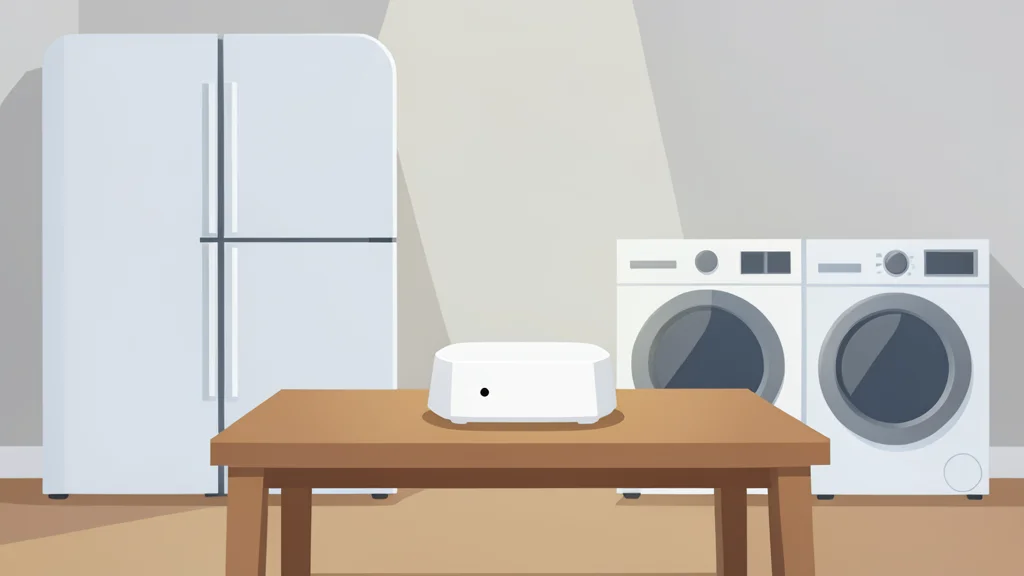
Samsung and LG are dismantling their closed smart home systems to prevent tech giants from monopolizing control, though full integration remains a work in progress.
South Korea’s two largest appliance manufacturers, Samsung and LG, are fundamentally changing how they approach the smart home market. By opening their previously isolated ecosystems to rival brands, they are attempting to retain control over the central hub of household automation. This strategic pivot comes as technology companies like Apple and OpenAI move to build their own AI-driven home controllers, threatening to displace traditional appliance makers from the center of the market.
The move is driven by a recognition that closed systems are no longer sufficient for managing a modern home. As AI capabilities expand to include energy management and complex scheduling, a single brand cannot supply every necessary component. By allowing cross-brand connectivity, Samsung and LG aim to position their platforms as the essential operating system for the home, rather than just a collection of compatible appliances.
Cross-Brand Connectivity Becomes Standard
LG Electronics recently showcased its new Homi Portal controller at the IFA 2026 trade fair in Berlin. The device, set for release later this year, supports over 70,000 devices from more than 2,000 different brands. Crucially, it allows users to link Samsung products, such as refrigerators and washing machines, directly into LG’s automation network. This means a user can trigger an LG light to blink when a Samsung washer finishes its cycle, a feature previously impossible without separate hubs.
Samsung has also expanded its openness by enabling direct connectivity for IKEA smart home products without requiring a dedicated hub. This eliminates friction for consumers who mix brands. According to GN technics/smarthome (en-US), these developments signal a broader industry shift away from proprietary silos toward interoperability. The goal is to create a seamless experience where the brand of the device matters less than the reliability of the central control platform.
AI Giants Target Home Control
The urgency behind this opening comes from the aggressive moves of IT giants. OpenAI, which acquired the startup io founded by designer Jonathan Ive, is developing screenless consumer devices that will likely include smart home functions. Apple is reportedly preparing a screen-based hub as well. Appliance manufacturers fear that if they remain closed, they will cede the gateway to home management to these platform providers, who have greater resources for AI development.
Practical Limits of Open Systems
Despite the progress, significant barriers remain. Functionality often varies depending on when a device was released and which standards it supports. Many proprietary features still require separate apps, meaning the