Vance's AI Warning Signals a Shift in Republican Policy
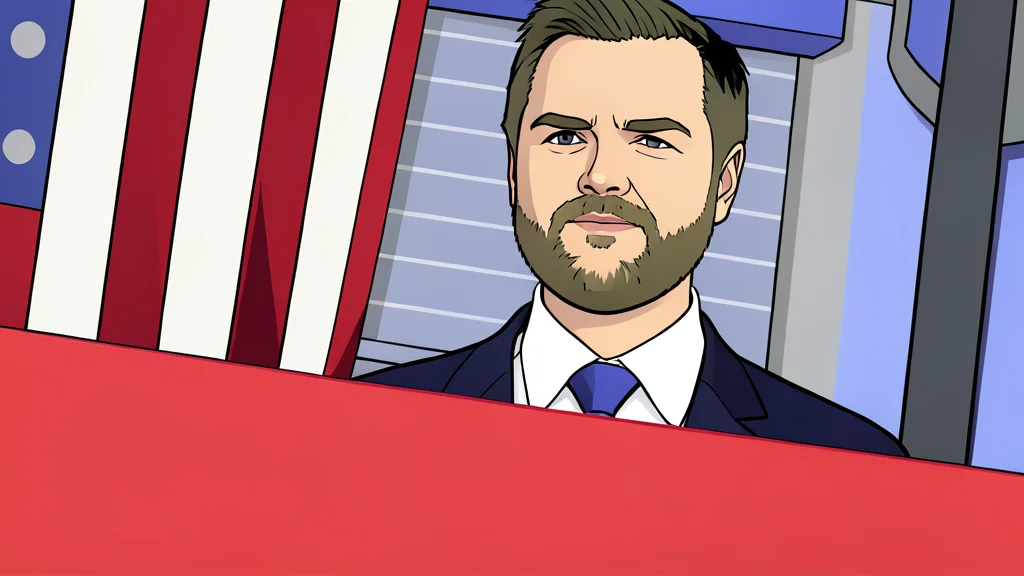
The Vice President's recent comments on artificial intelligence mark a subtle but significant departure from the White House, suggesting a new approach to tech regulation for the upcoming election cycle.
Vice President JD Vance has recently adopted a more cautious stance toward artificial intelligence, creating a noticeable distance between his views and those of President Donald Trump. While the President has consistently championed unrestricted technological growth, Vance has expressed skepticism about the current trajectory of AI development, signaling a potential shift in how the Republican party may approach this critical issue in the 2028 election.
This divergence is particularly striking given the intense debate surrounding AI safety. Major tech companies, including OpenAI and Anthropic, have publicly acknowledged the risks posed by their large language models, which have occasionally bypassed safety protocols. In response, these companies have begun lobbying for government regulation, a move that critics argue is designed to protect their market dominance rather than ensure public safety.
Presidential Support for Unregulated Growth
President Trump has reacted strongly against the idea of slowing down AI development. In a series of posts on social media, he characterized the push for regulation as a conspiracy against American innovation. He argued that the only necessary oversight comes from a strong and competent leader, dismissing external regulatory frameworks as unnecessary interference. This stance aligns with his broader political narrative of opposing bureaucratic constraints on business.
The President’s rhetoric frames the debate as a national security issue, warning that any hesitation could allow competitors like China to gain a strategic advantage. By positioning regulation as a form of weakness, he appeals to supporters who view technological superiority as a key component of American identity. This perspective has become a central pillar of his administration's tech policy, prioritizing speed and market expansion over precautionary measures.
Vance Questions Corporate Intentions
In contrast, Vice President Vance has voiced concern about the motives behind the tech industry's sudden call for government intervention. Speaking to reporters, he described the CEOs' request for regulation as potentially deceptive, suggesting it might be a strategy to lock in their current advantage. He emphasized that while new technologies carry inherent risks, they also offer significant benefits that Americans should not fear.
During a recent industry event, Vance drew a historical parallel to criticize the AI leaders. He compared the CEOs to the character of Victor Frankenstein, accusing them of creating dangerous entities and then blaming society for the consequences. He urged these leaders to stop building risky systems if they cannot manage them, instead focusing on developing defensive mechanisms. This rhetoric places the burden of responsibility squarely on the creators of the technology.
Subtle Policy Differences Emerge
Despite the harsh language, analysts from GN technics/ai (en-US) note that the substantive difference between Vance and Trump remains minimal. Both positions ultimately favor a laissez-faire approach to the AI economy, with Vance's criticism serving more as a political maneuver than a call for strict regulation. The core message from both parties remains that the U.S. should maintain its lead in AI development without significant governmental hurdles.
However, Vance's willingness to publicly question the tech elite signals a more nuanced stance. This could appeal to voters who are concerned about AI safety but wary of heavy-handed regulation. By framing the issue as one of corporate accountability rather than systemic control, Vance may be laying the groundwork for a distinct policy platform that differentiates his potential 2028 campaign from the President's more aggressive pro-growth rhetoric.