Vertiv Leverages Regulatory Shifts for Cooling Demand
New US regulations on data center power costs are reshaping the market. For Vertiv, this shift may signal stronger demand for efficient cooling systems rather than a slowdown.
Political pressure in the United States is mounting over the high electricity consumption of modern data centers. Lawmakers in the House of Representatives recently passed a bill aimed at protecting households from rising energy bills caused by these facilities. Simultaneously, New York State introduced a proposal to levy one million dollars per megawatt on operators of new data centers. These moves reflect a growing concern about the strain that artificial intelligence infrastructure places on local power grids.
For equipment suppliers like Vertiv, however, this regulatory tightening may act as a catalyst rather than a barrier. As utilities impose stricter requirements and electricity prices climb, the need for highly efficient cooling and power management systems becomes critical. Vertiv has demonstrated its adaptability by securing a major modular infrastructure contract with a telecommunications provider in Romania, indicating that demand is diversifying beyond the large US hubs into Europe and the telecom sector.
Efficiency Drives Strategic Advantage
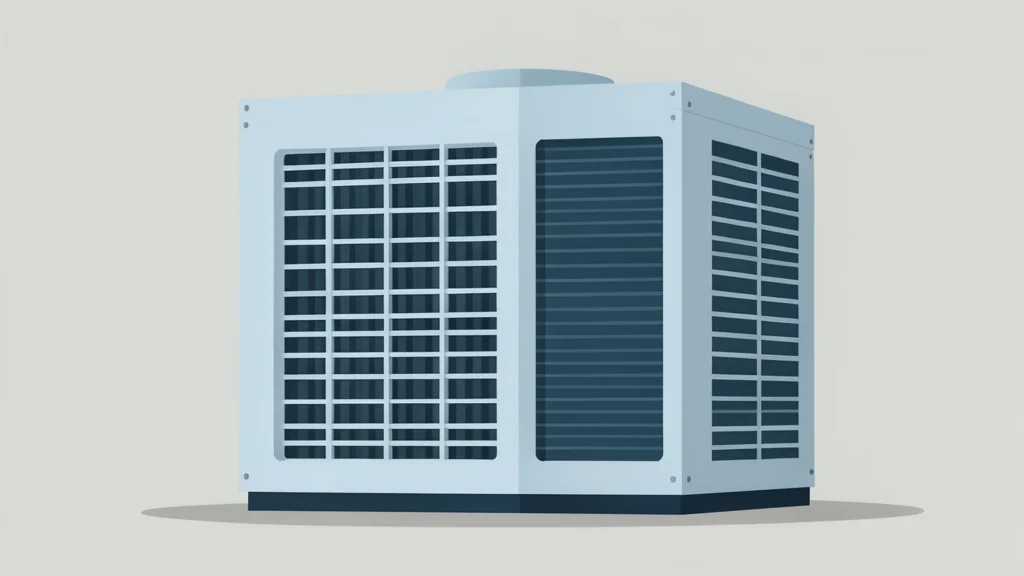
Cooling and power management are widely considered the primary bottlenecks in modern computing. As political oversight increases, the technological edge of specialized suppliers like Vertiv is likely to be reinforced. No modern AI server can function without effective thermal management, making these components indispensable. This necessity allows Vertiv to maintain pricing power in a sector where margins are often eroded, as data center operators view infrastructure reliability as an existential priority rather than a discretionary cost.
The company’s strategic outlook reflects this confidence. Vertiv has raised its target for annual organic revenue growth through 2030 to just over 20 percent, up from a previous maximum of 14 percent. This significant revision suggests that management expects continued heavy investment from major technology companies, despite ongoing debates about grid capacity. The real constraint lies not in the willingness of operators to build, but in the physical limits of power grids and heat dissipation, areas where Vertiv generates its core revenue.
Strong Financials Face Market Skepticism
Recent operating figures support this optimistic trajectory. Revenue for the second quarter of 2026 climbed 24.1 percent year-on-year to 3.27 billion US dollars. For the full year, the board projected an adjusted operating profit of approximately 3.325 billion US dollars. Demand for power supply and cooling solutions remains robust, with order books well filled. This financial performance underscores that demand for essential data center infrastructure is far from drying up, even as broader market sentiment fluctuates.
However, the road ahead is not without obstacles. Intensifying competition and component shortages are weighing on the entire supplier chain, as reported by Reuters. While Vertiv benefits from its specialized position, investors are increasingly questioning whether the spending of major technology companies on artificial intelligence can sustain the company's high valuation over the long term. The tension between aggressive capacity expansion and market skepticism highlights a key risk: if the pace of AI investment slows, the demand for high-efficiency cooling systems may face downward pressure.
Regulatory Context Shapes Supplier Outlook
The interplay between regulation and technology is defining the next phase of the data center industry. As highlighted by recent coverage from GN auto tech/cloud: data center expansion, the shift toward stricter oversight is forcing a differentiation in how infrastructure is built. Rather than signaling a collapse in demand, these developments point to a relocation and refinement of that demand. Vertiv’s ability to pivot toward modular solutions in diverse markets like Europe suggests a resilience that purely US-focused competitors may lack.
For investors, the key takeaway is that regulatory headwinds for data center operators often translate into tailwinds for efficiency providers. The catch remains in the broader economic environment and the sustainability of AI-driven capital expenditure. While Vertiv’s fundamentals are strong, the market is closely watching for signs of demand saturation or supply chain disruptions that could impact margins. The balance between aggressive expansion and prudent risk management will determine whether the company can maintain its growth trajectory in a increasingly scrutinized regulatory landscape.