Tesla Vets Chinese Suppliers for Optimus Robot
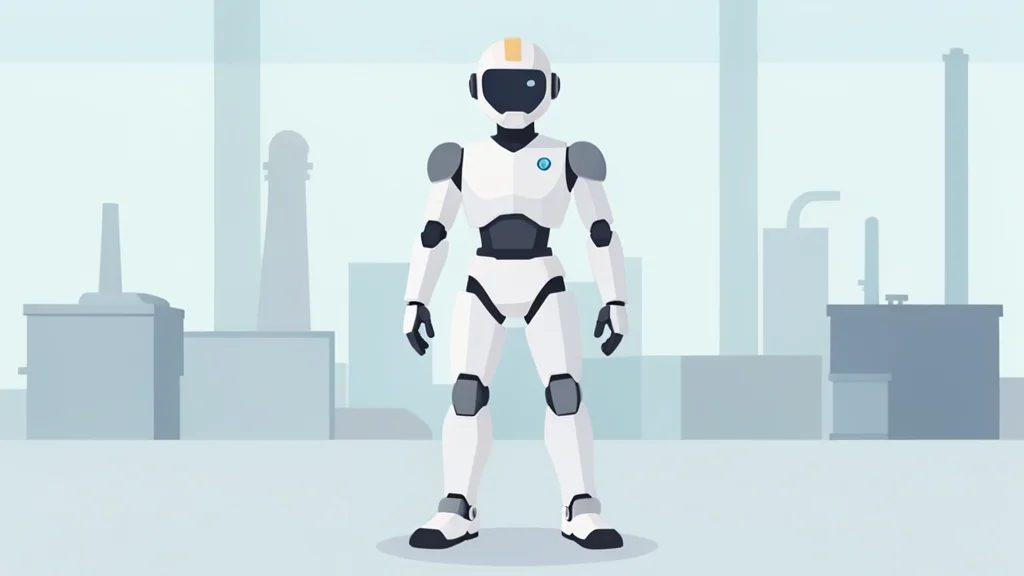
Tesla is moving to accelerate the production of its Optimus humanoid robot by auditing existing automotive suppliers in China. This strategic shift relies on established manufacturing networks to meet rapid output targets.
Tesla has begun a rigorous evaluation of specific firms within its Chinese supplier network, according to individuals familiar with the matter. The objective is to rapidly scale up production of the Optimus humanoid robot, which is scheduled for a global debut later this year. By leveraging suppliers that already provide components for its electric vehicles, Tesla aims to streamline the manufacturing process and reduce the time required to bring the robot to market.
The companies currently under review include Zhejiang Sanhua Intelligent Controls, known for heat-control components, Ningbo Joyson Electronic, an auto parts provider, and Tuopu Group, a chassis manufacturer. All three are located in Zhejiang province in eastern China. This approach allows Tesla to utilize proven quality standards and existing logistical relationships, rather than building a new supply chain from scratch.
Audits Focus On Quality Standards
A supplier audit is a standard procedure in the automotive industry, where a buyer assesses a vendor's production methods and compliance with safety and quality regulations. For a complex machine like the Optimus, which requires precise actuators and structural integrity, these checks are critical. The process ensures that the components meet the strict tolerances needed for a robot that will operate in close proximity to humans.
According to GN auto tech/robotics sources, the majority of the firms being assessed are already part of Tesla's broader supply chain for its cars. This continuity is a significant advantage, as it means the suppliers have already passed initial vetting processes. However, the specific requirements for a humanoid robot differ from those of a vehicle, necessitating new evaluations of material durability and component precision.
Reliance On Existing Automotive Networks
The decision to focus on Zhejiang province highlights Tesla's strategy of consolidating its supply base. By working with manufacturers that already produce high-volume automotive parts, Tesla benefits from economies of scale and established production lines. This reduces the risk of supply disruptions that often accompany the introduction of entirely new suppliers.
However, this approach also presents a trade-off. While it speeds up the ramp-up process, it ties the robot's production capacity to the same geographic and industrial cluster as its cars. Any regional economic shifts or regulatory changes affecting Zhejiang's manufacturing sector could impact the timeline for Optimus delivery. Furthermore, competing for the same supplier capacity as its vehicle division could create internal bottlenecks if demand for both products spikes simultaneously.
Challenges In Scaling Robot Output
Scaling the production of humanoid robots is a more complex engineering challenge than mass-producing electric vehicles. The Optimus requires a higher degree of customization in its joints and sensors, which may not align perfectly with the high-throughput, low-tolerance manufacturing processes used for car parts. Tesla must now determine if these suppliers can adapt their lines to handle the more intricate requirements of robotics without sacrificing the speed they are aiming for.
The success of this supplier strategy will be a key indicator of Tesla's ability to transition from a car manufacturer to a robotics company. If the audits proceed smoothly, it could signal a faster-than-expected rollout of the Optimus. Conversely, if the suppliers cannot meet the specific quality benchmarks for robotics, Tesla may face delays that could push back the commercial availability of the robot. Investors and industry observers will be watching closely to see how this supply chain integration plays out in the coming months.