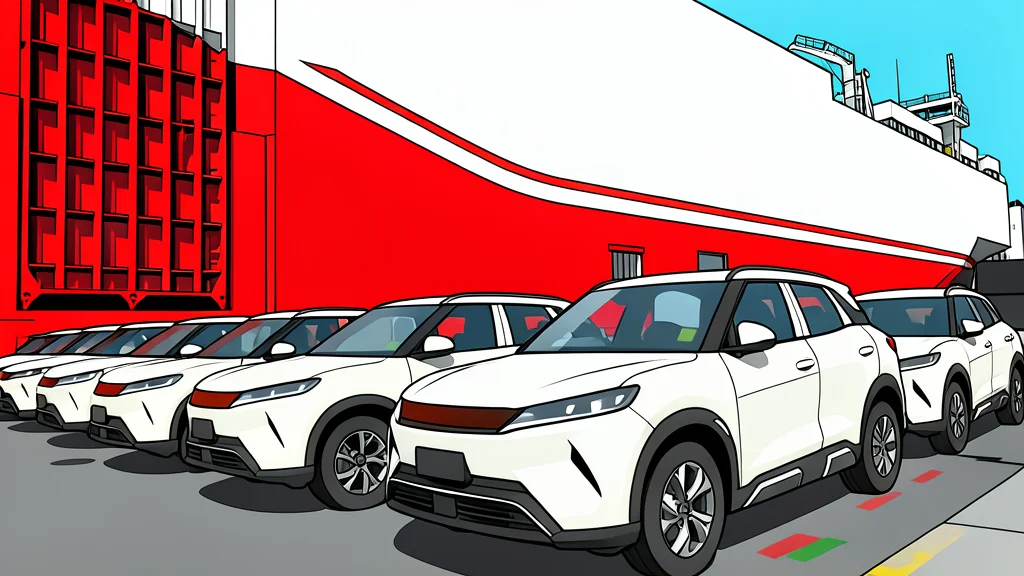
Mazda's China-Built Electric Sedan Gets Major Battery Upgrade
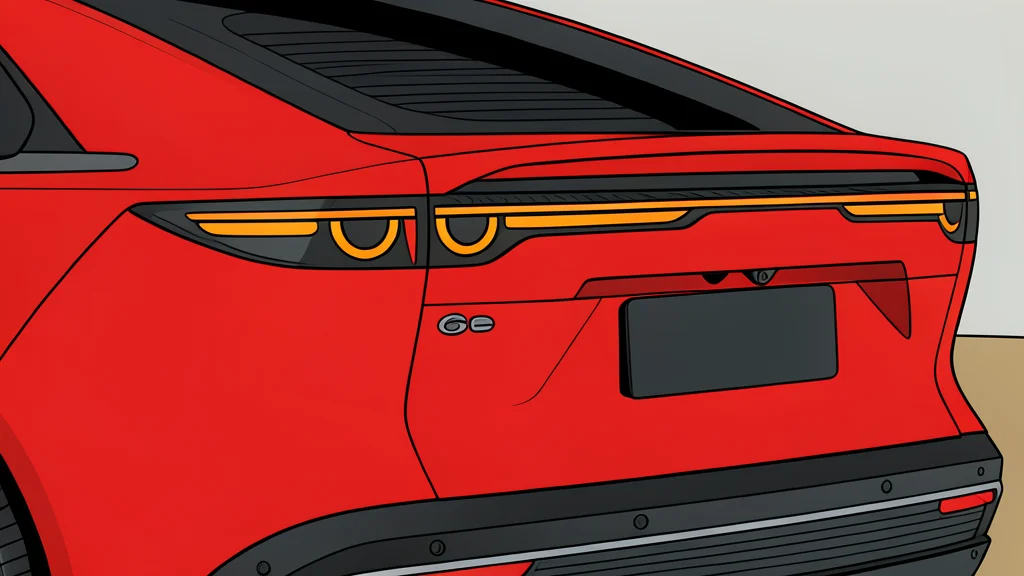
Mazda has significantly improved the efficiency and range of its electric 6e sedan for European markets, but US buyers will not see this update due to its Chinese manufacturing origins.
Mazda has quietly upgraded its electric sedan for European markets, delivering a car that is more efficient and faster than its predecessor. The new model features a battery system that offers greater range and quicker acceleration, addressing common pain points for electric vehicle owners. However, this improvement remains out of reach for American consumers because the car is built in China, a factor that currently blocks its entry into the US market.
According to reporting from GN auto tech/ev: electric vehicle, the changes are substantial enough to alter the driving experience significantly. The vehicle now uses less energy per mile while providing more power, a combination that is particularly appealing in regions where fuel prices remain high. For now, though, this specific model is a European exclusive, leaving US drivers without access to this particular blend of performance and cost-efficiency.
New battery delivers more range
The heart of the update is a new 78 kWh lithium iron phosphate battery pack. This single option replaces the previous dual-choice setup, which offered both short-range and long-range variants. The new pack allows the car to travel an estimated 343 miles on a full charge, a notable increase over the older long-range version and a significant jump compared to the previous short-range model.
Beyond just distance, the new battery improves the car's responsiveness. It pairs with a 255-horsepower motor that provides stronger torque, helping the sedan accelerate from zero to 62 mph in 7.3 seconds. This is 0.3 seconds faster than the previous version, making the car feel more agile in daily driving. The system also supports faster charging at up to 200 kW, reducing the time drivers spend waiting at charging stations.
Refined driving dynamics and comfort
Mazda has also tweaked the suspension and steering to improve how the car handles. New shock absorber tuning and spring rates aim to strike a better balance between ride comfort and stability. While the top speed is electronically limited to just over 110 mph, the focus on handling quality is a deliberate move to appeal to European drivers who value precise steering and a composed ride.
Inside the cabin, the vehicle gains updated driver assistance features that work at higher speeds, up to 100 mph. There are also improvements to the navigation system, which now helps drivers find the most appropriate charging stations rather than just any available plug. These small but useful changes enhance the overall convenience of owning an electric vehicle in a region with a dense charging network.
US market remains excluded
Despite these upgrades, the 6e is not coming to the United States. The primary obstacle is its manufacturing origin in China, a detail that complicates its introduction to the American market under current trade conditions. This leaves US customers without this specific model, even as it gains popularity and critical acclaim in Europe.
The situation highlights a growing disconnect in the global electric vehicle landscape. While Mazda continues to refine its technology and gather feedback from European users, American buyers are missing out on these immediate advancements. It remains to be seen how Mazda will navigate this gap, but for now, the best version of this electric sedan is reserved for the rest of the world.