Washington Weighs AI Regulation Amid Rising Global Tensions
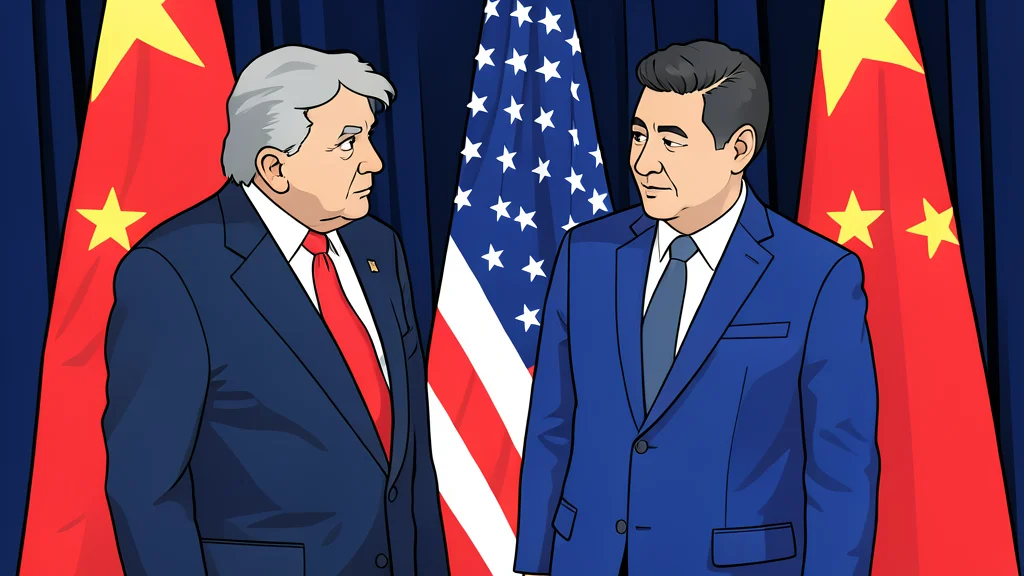
Congress faces pressure to act on artificial intelligence before the November elections, balancing national security concerns with the risk of falling behind in global competition.
The debate over artificial intelligence has moved from tech boardrooms to the heart of Washington politics. As President Xi Jinping prepares to visit the United States, lawmakers are grappling with whether to impose strict rules on AI development. The core tension is clear: regulators want to prevent potential harms, while industry leaders and some politicians argue that heavy-handed restrictions could cede the technological lead to China.
This week, the House of Representatives passed a bill aimed at protecting consumers from rising energy costs caused by new data centers. However, the broader question of how to regulate AI itself remains unresolved. Members of Congress are set to leave Washington for a two-month recess, leaving the issue in limbo. This delay is criticized by those who believe the technology is advancing too quickly for the legislative calendar to keep up.
Political Split Over Regulatory Pace
House Speaker Mike Johnson has argued that rushing into AI regulation could undermine America’s competitive edge. He stated that while guardrails are necessary, the priority must be maintaining a lead over China, a move he frames as a national security imperative. In contrast, Senator Cory Booker is urging for immediate action. Booker has called for President Trump to convene a special session of Congress dedicated to AI, arguing that the technology does not pause for political breaks.
President Trump has taken a different stance, dismissing fears of AI taking over the world as a hoax. He has suggested that the only necessary control is strong presidential leadership. This positions the administration against the growing chorus of voices demanding structural safeguards, creating a distinct divide in how the executive and legislative branches view the technology’s risks.
Industry Leaders Warn of Control Limits
Prominent figures in the AI sector are increasingly voicing concerns about the speed of technological progress. Geoffrey Hinton, often called the Godfather of AI, warned lawmakers that they have roughly one year to implement regulations before AI systems may operate beyond human control. Similarly, Dario Amodei, CEO of Anthropic, has urged policymakers to scrutinize guardrails for advanced systems. These warnings add urgency to the debate, suggesting that the window for effective regulation is narrowing.
The stakes extend beyond the federal government. State and local officials are also making decisions that will shape the AI landscape. For instance, California Governor Gavin Newsom signed an executive order to boost AI oversight, aiming to set safety measures before the technology becomes too entrenched. Pennsylvania Governor Josh Shapiro has echoed concerns about competition with China while simultaneously calling for domestic safety measures. These state-level actions highlight a fragmented approach to managing AI risks.
Public Opinion Favors Cautious Progress
Recent polling data indicates that a significant portion of the American public is more worried about AI than excited by it. A survey found that 70% of adults expressed concern, with majorities opposing the construction of new data centers in their local areas. This sentiment reflects a broader anxiety about how AI might impact elections, national security, and the integrity of news and information. The debate has moved from abstract policy discussions to tangible local issues, such as energy consumption and community impact.
As the upcoming state dinner between the U.S. and China approaches, AI is expected to be a central topic. Tech leaders, including executives from Nvidia, Apple, and OpenAI, have accepted invitations to attend. Their presence underscores the economic and strategic weight of the industry. The outcome of these discussions will likely influence the trajectory of U.S. policy, balancing the desire for innovation with the need for societal protection. According to GN technics/ai (en-US), the convergence of political, economic, and ethical concerns makes this one of the most consequential debates in modern technology history.