Brazil's Data Center Boom Drives Record Port Cargo Volumes
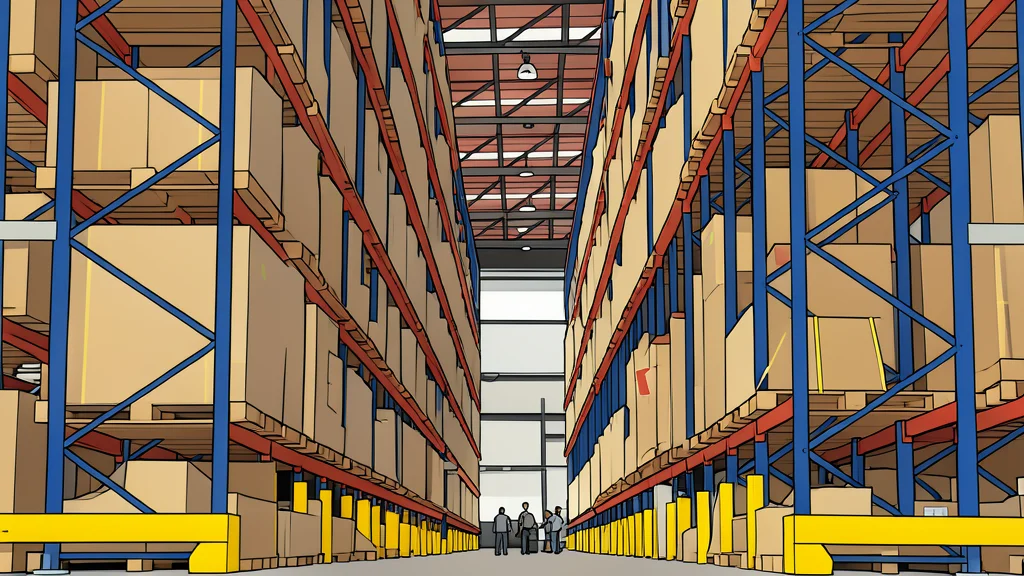
Libraport reports that the value of data center equipment handled in the first half of 2026 has already exceeded the total for all of 2025, signaling a rapid shift in Brazil's logistics priorities.
The flow of high-tech equipment through Brazilian ports is accelerating as the country expands its digital infrastructure. At Libraport Campinas, the value of shipments related to data center projects reached 520 million dollars in the first six months of 2026. This figure is a 35.8 percent increase compared to the 383 million dollars handled during the entire previous year. The surge indicates that the physical logistics chain is now keeping pace with the rapid growth in cloud computing and artificial intelligence demand.
This growth is not just about volume; it is about the nature of the cargo. Servers, racks, and other critical components for data processing are high-value items that require specific handling. Unlike standard commodities, these machines are sensitive to environmental conditions and must be protected from damage during customs clearance and transport. The port’s ability to manage these precise requirements is becoming a key factor for companies looking to build or expand digital facilities in the region.
High-value cargo demands specialized handling
The primary trade-off in this sector is the complexity of the logistics chain. While the cargo value is high, the margin for error is low. A single incident involving damage or delay can result in significant financial loss and project setbacks. Consequently, operators must invest in security, speed, and precision at every stage, from the initial reception of containers to their final dispatch. This shifts the focus from simple storage to a more sophisticated service model that prioritizes the integrity of the equipment.
Libraport’s chief executive, Bruno Barbosa, noted that the performance in the first half demonstrates a concrete impact on the foreign trade chain. He emphasized that handling more value in six months than in a full previous year shows the market's momentum. However, he also stressed that this growth is only sustainable if the infrastructure remains prepared to support these sensitive operations. The demand for precision is now a defining feature of the sector, rather than an optional extra.
Digital expansion reshapes regional logistics
The increase in cargo reflects a broader trend in Brazil, where digital infrastructure is becoming a central pillar of the economy. The rise in cloud computing and AI applications has created a steady stream of equipment needed to install new facilities. This trend is transforming how ports operate, as they must now cater to a client base that values reliability and speed over volume alone. The logistics sector is adapting to support this shift, with terminals like Libraport expanding their capabilities in the high-tech cargo segment.
For the wider economy, this shift highlights the interconnectedness of digital growth and physical trade. As more data centers are built, the pressure on logistics providers to maintain high standards of care will intensify. The success of Brazil’s digital expansion now depends as much on the efficiency of its supply chain as it does on the availability of capital and technology. This creates a new dynamic where logistics performance is a direct enabler of technological progress.
Infrastructure preparedness meets market demand
The data from GN auto tech/cloud: data center expansion reports suggests that the current infrastructure is meeting this demand, but the scale of growth requires continuous adaptation. The ability to support different stages of foreign trade operations, including customs clearance, is critical. As the market matures, the competition will likely shift toward who can offer the most secure and efficient handling for these sensitive assets. This positions logistics providers not just as carriers, but as essential partners in the deployment of digital infrastructure.