Microsoft Pivots Data Center Ecology Strategy
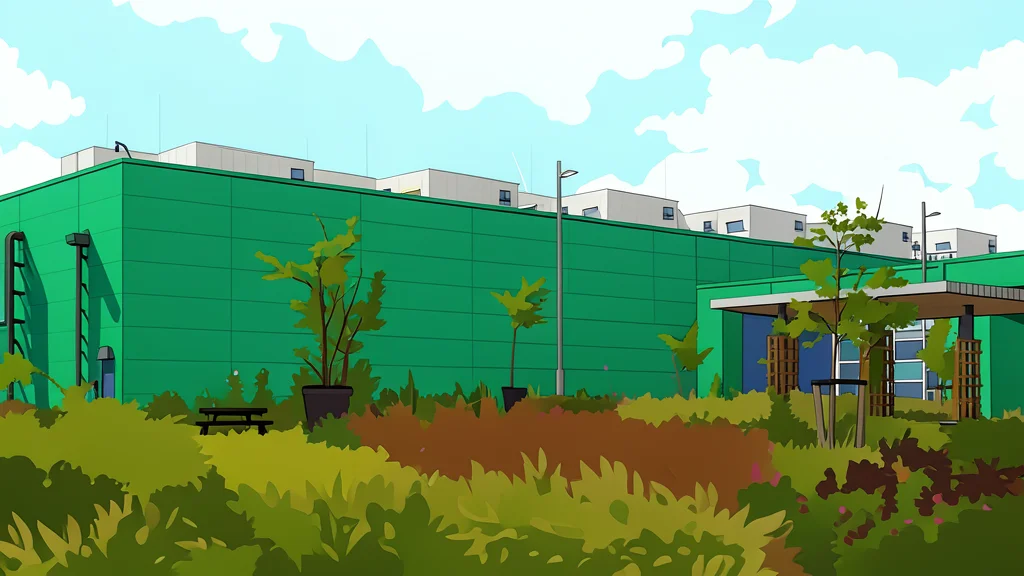
Microsoft is redefining its approach to data center expansion by integrating nature into facility design, aiming to offset environmental impacts through active habitat restoration and biomimicry.
The rapid expansion of data centers required for cloud computing and AI has raised significant concerns regarding land use and biodiversity loss. Traditionally, these facilities have been viewed as environmental liabilities due to their high energy consumption and the fragmentation of local habitats they often cause. However, Microsoft is shifting its strategy from simple mitigation to a more integrated approach that actively incorporates ecological restoration into the physical infrastructure of its sites.
This new direction involves using lessons from nature to design technological solutions, a concept known as biomimicry. Rather than treating land around data centers as wasted space, the company is investing in creating functional ecosystems that support local wildlife and improve environmental quality. This shift represents a significant change in how hyperscale infrastructure interacts with the surrounding landscape, moving beyond compliance to genuine ecological contribution.
Community-Driven Restoration in Virginia
In Mecklenburg County, Virginia, Microsoft has partnered with the Chase City Conservancy Project to transform 230 acres of land into a conservation area. This initiative includes the creation of wetlands for amphibians and fish, the planting of over 25,000 trees, and the restoration of streams to improve water quality. The design process was heavily influenced by local input, ensuring that the project addressed community priorities such as access to natural waterways and support for declining pollinator populations.
Local officials and environmental groups helped reshape the original plans to prioritize biodiversity over standard recreational features. This collaborative approach has been credited with building trust between the tech company and the local community. By integrating native grasses and mature trees, the project aims to naturally screen the industrial campus while providing habitat connectivity for local species, demonstrating that data centers can coexist with thriving ecosystems.
Global Application of Ecological Design
Microsoft began testing these nature-inspired design principles as early as 2022 at a pilot facility in the Netherlands. The company is now scaling these initiatives globally, with projects in Wisconsin, Georgia, and Germany adopting similar strategies. In Wisconsin, for example, straightened streams were restored to their natural winding paths to better filter runoff before it reaches Lake Michigan. These varied projects highlight a consistent focus on using ecological functions to manage environmental impacts rather than just containing them.
Measuring Ecosystem Impact Digitally
To ensure these efforts yield measurable results, Microsoft utilizes its own technology to monitor ecosystem health. The company employs a tool called Ecosystem Intelligence, which runs on its Azure Cloud platform. This system tracks key environmental metrics such as water quality and noise abatement, providing data on the long-term resilience of the restored habitats. By quantifying success through these digital means, Microsoft aims to prove that its sustainability initiatives are substantive rather than merely symbolic.
However, this approach is not without trade-offs. While the integration of natural features can improve local biodiversity, it requires significant upfront investment in land management and long-term maintenance. Critics argue that the sheer energy demand of data centers remains the primary environmental challenge, and that habitat restoration may not fully offset the carbon footprint of the infrastructure. Nevertheless, by focusing on measurable ecological outcomes and community engagement, Microsoft is setting a new standard for how tech companies can balance digital growth with environmental stewardship.