Unlocking Hidden Capabilities of Home Assistant USB Ports
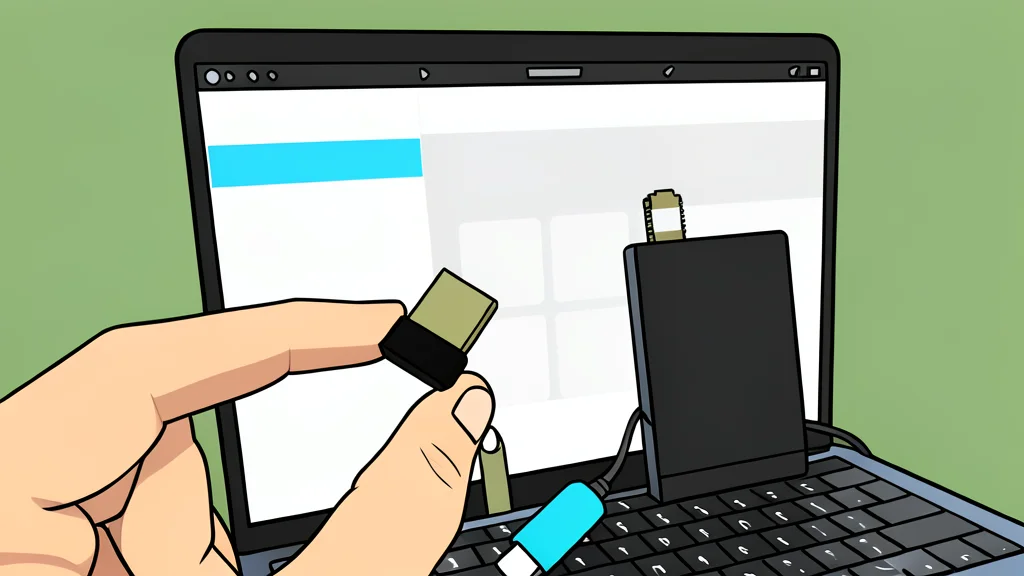
Most Home Assistant servers sit with empty USB ports that remain unused. These connections can significantly expand your smart home setup by handling heavy data loads and supporting devices that lack Wi-Fi connectivity.
Many users install Home Assistant on compact computers and leave the front-panel USB ports empty. While the software is powerful, these physical connections offer a direct way to expand hardware capabilities without complex networking changes. According to XDA Developers, ignoring these ports means missing out on simple upgrades that can stabilize the system and broaden device compatibility.
The primary benefit is offloading intensive tasks from the main storage drive. By connecting an external drive, you can store large files like security camera footage or automated backups. This protects the boot drive from excessive wear and prevents the system from slowing down due to limited local storage space.
External drives reduce storage wear
Running video recording or heavy logging directly on the main solid-state drive can shorten its lifespan. A separate external drive acts as a buffer for these high-write operations. This approach is particularly useful for users running video surveillance software, as video files consume significant space quickly. Using a dedicated drive ensures that the core system remains responsive and secure.
This separation also simplifies backup processes. Instead of risking data loss if the primary drive fails, configurations and media files can be stored on a removable medium. This makes it easier to recover data or migrate to a new server without losing years of automation history and settings.
Adapters enable local communication protocols
Beyond storage, USB ports allow the server to speak to devices that do not use Wi-Fi. Many modern smart home gadgets rely on short-range radio protocols like Zigbee, Z-Wave, or Thread. These standards are often faster and more reliable for local control than internet-based connections, but they require specific hardware to function.
A simple USB adapter can add support for these networks, allowing the Home Assistant hub to communicate directly with sensors and switches. This reduces dependency on the internet for basic automation tasks and can improve response times for critical functions like door locks or security alarms.
Bluetooth support expands device range
Some compact computers lack built-in Bluetooth, limiting the types of peripherals that can connect. Adding a USB Bluetooth dongle unlocks compatibility with a wide range of consumer electronics, from fitness trackers to smart scales. These devices often lack Wi-Fi entirely, making Bluetooth the only viable connection method.
The trade-off is adding another physical component to the setup. However, for users with a mix of different smart home technologies, these small adapters provide a unified way to manage all devices through a single platform. It turns a generic computer into a versatile hub capable of handling diverse hardware needs.