Data Center Growth Strains Regional Power Grids

Rapid expansion of computing facilities is reshaping local energy markets and community landscapes, creating new friction between tech growth and residential affordability.
Data centers are no longer quiet background infrastructure. They have become a dominant force in regional planning, driven by insatiable demand for computational power. As these facilities multiply and grow larger, their impact on local electricity grids and neighborhood aesthetics has moved to the forefront of political debate.
The core issue is energy. Data centers consume vast amounts of power continuously, disrupting decades of stability in U.S. electricity demand. This surge threatens to raise utility bills for residential customers and strain transmission infrastructure, forcing local and state governments to confront the trade-offs between digital expansion and energy affordability.
Surging Power Demand Disrupts Stability
For years, improvements in energy efficiency kept national electricity usage flat, allowing planners to focus on maintenance and grid reliability. That equilibrium is now broken. Large-scale computing facilities require constant, high-volume power, creating a new category of heavy industrial load that was not present in previous decades.
Projections indicate a steep rise in consumption. Reports suggest U.S. data centers already account for a significant share of national electricity use, with estimates showing potential tripling of that load by 2030. This growth places immense pressure on generation capacity and transmission lines, raising fears that residential rates will increase to cover the infrastructure upgrades required to support these facilities.
Community Concerns Over Visual Impact
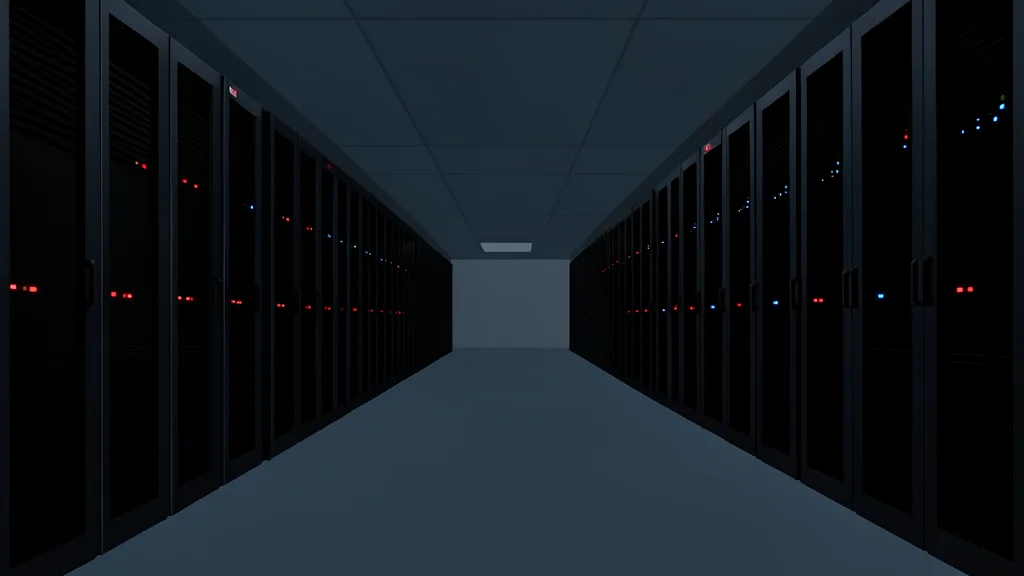
Beyond the grid, data centers are changing the physical landscape. These structures are typically large, secure, and windowless, often situated in areas previously reserved for residential or light commercial use. Their industrial character, including visible cooling units and ventilation systems, clashes with the aesthetic expectations of many neighborhoods.
Local residents are increasingly asking questions about building height, lighting, and the noise generated by mechanical equipment. Unlike traditional warehouses, data centers are designed for maximum security and efficiency, resulting in a stark, utilitarian appearance that many communities find incompatible with their existing development patterns. This has led to calls for stricter zoning controls and design standards.
Local Zoning Powers Meet State Limits
County governments hold primary authority over land use and zoning, giving them the tools to restrict where data centers can be built and how they must look. They can enforce setbacks, landscaping requirements, and screening to mitigate visual and noise impacts. This local control is a key lever for communities seeking to manage the physical footprint of these facilities.
However, counties have little power over the energy side of the equation. Electricity generation, transmission, and utility rates are regulated at the state and federal levels. While local governments can negotiate community benefit agreements, they cannot control the wholesale price of power or the expansion of regional grids. This division of authority creates a complex regulatory landscape where local aesthetic concerns may be easily addressed, but the deeper issue of energy cost and supply remains outside local jurisdiction.