Google Explores First Self-Built Data Center in New Mexico
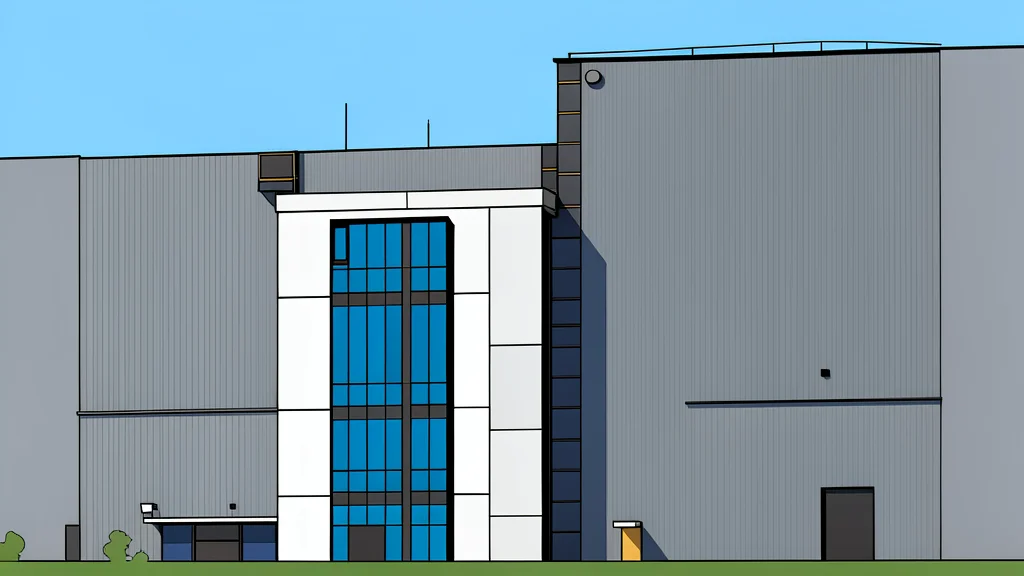
The tech giant is considering a new facility in Lea County, aiming to expand its infrastructure footprint in the Southwest United States.
Key points
- Google is exploring its first self-built data center project in Lea County, New Mexico.
- The location borders Texas and sits near existing Google facilities in Arizona.
- Specific site details and facility specifications have not yet been disclosed.
Google has confirmed it is exploring a new data center project in Lea County, New Mexico. If finalized, this would mark the first facility the company builds and operates itself within the state, adding to its growing network of digital infrastructure across the United States.
The company has not yet released specific details about the site location or technical specifications. A statement from Google indicated that while many details remain outstanding, the team is excited about the possibilities in the region and looks forward to sharing more information as the project progresses.
Strategic expansion into the Southwest
This move aligns with Google’s broader strategy to expand its data center presence in areas adjacent to its existing operations. The company already runs significant facilities in nearby Arizona and Texas, making New Mexico a logical geographic extension for its digital footprint.
Lea County, located in southeastern New Mexico and bordering Texas, offers potential advantages such as land availability and power resources. By moving into this region, Google appears to be leveraging local infrastructure capabilities to support its growing demand for computing power.
Impact on the state's digital market
New Mexico currently has a relatively small data center market, with most activity concentrated around Albuquerque. Other established operators in the state include Stack, Meta, Csquare, and H5. According to ET Datacenters, Google’s entry could act as a catalyst for the local digital infrastructure ecosystem.
The arrival of a major hyperscaler may stimulate further development and attract ancillary services and investment to the region. For investors and operators, this signals a shift in market dynamics, as areas previously considered secondary markets are becoming targets for large-scale deployments.
Uncertainties remain in project scope
Despite the confirmed interest, the exact scale and technical requirements of the new facility remain undisclosed. This lack of specific data means that stakeholders cannot yet assess the full economic impact or the environmental footprint of the proposed development.
The trade-off for local communities and investors is the delay in concrete planning. While the prospect of increased digital infrastructure is positive, the absence of finalized site details creates uncertainty for those monitoring the progression of hyperscaler growth patterns in the region.