Retail Wearables Shift from Recording to Real-Time Threat Prevention
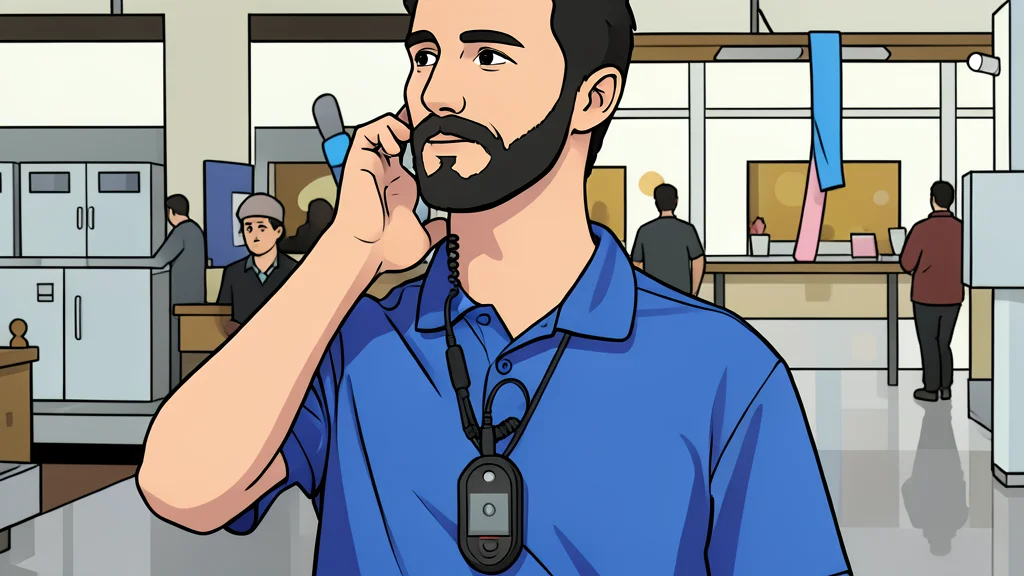
New chest-worn devices use live feeds and remote intervention to stop theft and violence before they occur.
Key points
- New retail wearables use front-facing displays to deter theft by making recording visible.
- A silent panic button allows immediate live video connection to remote security teams.
- The technology shifts security from passive recording to active, real-time intervention.
Retailers are moving away from passive surveillance tools that only record incidents after they happen. The new focus is on active prevention, using wearable technology to de-escalate threats and protect employees in real-time.
As organized retail crime becomes more sophisticated, stores need tools that intervene rather than just observe. This shift aims to reduce the burden on frontline staff and provide immediate professional support during critical moments.
Deterrence through visible presence
One key feature of the new devices is a front-facing display that shows the wearer is being recorded. This visual cue acts as an immediate deterrent, often de-escalating tension by making potential aggressors aware that their actions are being documented and monitored.
By turning the camera into an active participant in the interaction, the device helps prevent situations from escalating into violence or theft. It changes the dynamic from a lone employee facing a threat to a documented interaction under professional oversight.
Instant connection to security teams
The devices include a silent panic button that instantly connects the wearer to a security operations center. This bypasses traditional radio delays, allowing security experts to see and hear the situation live and intervene immediately.
Security professionals can speak directly to the aggressor through the device’s speakers, providing a remote talk-down capability. This gives the employee a powerful ally without requiring them to leave the scene or manage multiple communication channels.
Trade-offs in operational focus
While these tools offer significant safety benefits, they also add complexity to daily operations. Staff must be trained to use the integrated features, including AI-driven language translation and evidence management, which can distract from customer service if not handled correctly.
Loss Prevention Magazine notes that the primary advantage is reducing cognitive load by consolidating functions into one device. However, the reliance on real-time connectivity means that any technical failure could leave employees without their primary safety net during a crisis.