India Urges Microsoft to Shift Data Centers Near Power Plants
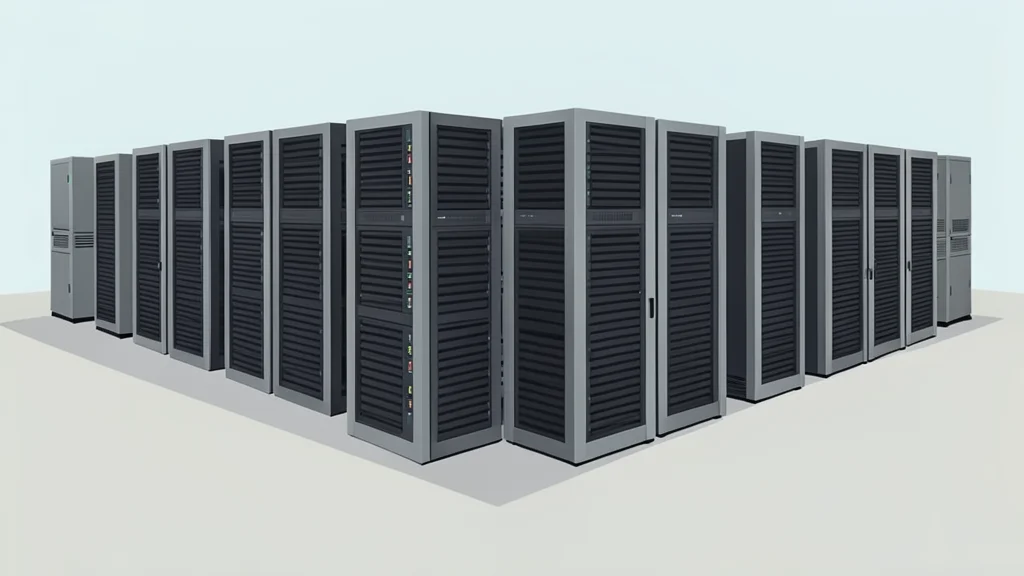
New Delhi suggests moving facilities inland to cut transmission costs, citing the high energy demands of AI workloads.
Key points
- India's IT Secretary urged Microsoft to build data centers near power plants to reduce transmission costs.
- Microsoft launched its Hyderabad cloud region, which uses zero-water cooling to address resource constraints.
- The government argues that fiber-optic networks can handle data transfer, reducing the need for coastal locations.
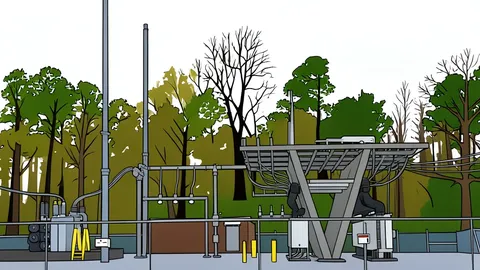
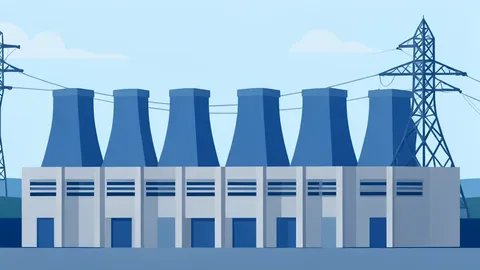
The Indian government has urged Microsoft to reconsider its strategy for placing new data centers in the country. Instead of clustering facilities near coastal cable landing stations, officials suggest building them closer to power generation sites. The argument is that this shift would reduce infrastructure costs and better support the nation's growing artificial intelligence ecosystem.
Electronics and IT Secretary S. Krishnan made the proposal on Monday during the launch of Microsoft’s fourth cloud region in Hyderabad. He noted that locating data centers near electricity sources is more economical than building them around cable hubs like Chennai. This advice comes as Microsoft scales up one of its largest infrastructure investments in India, committing $20.5 billion to cloud and AI infrastructure.
Power efficiency drives the proposal
Modern AI data centers consume massive amounts of electricity. Thousands of high-performance processors run continuously, and cooling systems add further energy demands. Krishnan argued that electricity is delivered more efficiently when facilities are built close to large generation sources. Long-distance transmission requires significant grid infrastructure and often results in energy losses.
Data connectivity works differently than power transmission. Fiber-optic networks can move enormous amounts of information over long distances with minimal loss. This means a data center does not need to sit directly beside a submarine cable landing station to maintain high-speed connectivity. The government is encouraging companies to prioritize abundant electricity over coastal proximity.
Hyderabad region uses dry cooling
Power is not the only resource challenge for data centers. Large facilities typically consume significant amounts of water for cooling. Microsoft stated that its new Hyderabad region uses high-efficiency mechanical cooling that results in effectively zero water use for cooling operations. This is crucial in India, where growing data center clusters may compete with cities and agriculture for water resources.
Microsoft is also investing in connectivity infrastructure. The company is part of a consortium developing the I-2SEA submarine cable system. This 3,600-km cable will connect India with Malaysia and Singapore, with landing points in Machilipatnam and South Chennai. It is expected to enter service in 2029. This combination of inland computing capacity and coastal cable infrastructure reflects the architecture the government is encouraging.
Balancing AI growth with resources
India aims to become a major global hub for AI development and cloud computing. However, the scale of electricity needed for this ambition is becoming a significant challenge. As reported by The420.in, the government is pushing for a model that balances technological expansion with resource efficiency. This approach seeks to ensure that rapid digital growth does not strain the nation's energy and water supplies.