Saudi Startup Ceer Reveals Exobot EVs for 2027 Launch
Ceer unveils its first electric sedan and SUV, backed by Foxconn and BMW, aiming to diversify Saudi Arabia's economy away from oil.
Key points
- Ceer unveils Exobot electric sedan and SUV for sale in Saudi Arabia in early 2027.
- The venture is backed by Foxconn and BMW, with new supplier factories opening in Saudi Arabia.
- Ceer plans to add five more models by 2030, including hybrids and combustion engines.
Saudi startup Ceer has officially revealed its first two fully electric vehicles, marking a significant step in the kingdom's effort to build a domestic automotive industry. The company plans to begin selling these models in early 2027, with four additional cars scheduled to arrive by 2030. This initiative is designed to reduce Saudi Arabia's long-standing reliance on oil exports by creating a viable local auto sector.
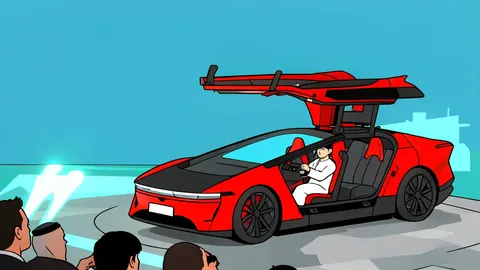
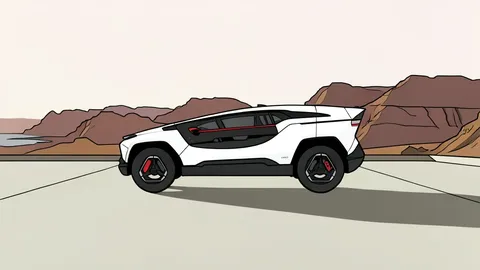
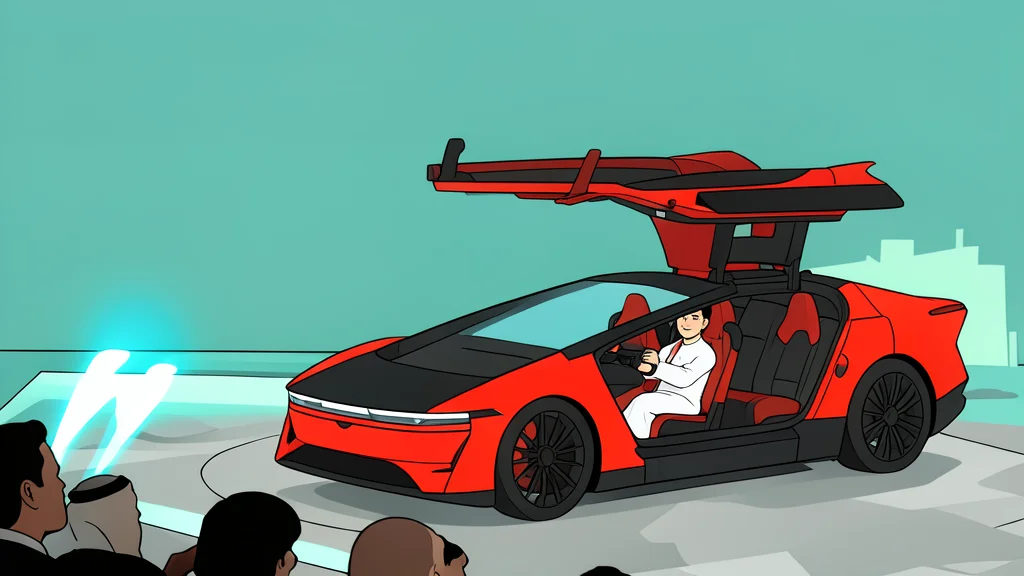
The debut models, collectively known as the Exobot series, consist of a premium sedan and an SUV. Both vehicles feature a distinctive design inspired by science fiction aesthetics, including upward-opening gullwing doors. Ceer CEO Jim DeLuca stated that the goal is to demonstrate the manufacturing capabilities now possible within the country, leveraging global partnerships to overcome previous logistical hurdles.
Engineering relies on global partners
Ceer is a joint venture between Saudi Arabia's sovereign wealth fund and Taiwanese electronics giant Foxconn. Foxconn provided the electrical architecture for the new vehicles, while German automaker BMW contributed engineering expertise. To support production, major suppliers from the U.S., Korea, Germany, and China have established factories in Saudi Arabia, encouraged by government incentives. This broad network of partners aims to solve the supply chain issues that derailed previous attempts, such as the abandoned Jaguar Land Rover plant and Toyota's 2019 withdrawal.
The vehicles also feature a structural design that removes the traditional B-pillar between front and rear seats. DeLuca explained that high-strength materials are used instead to maintain safety standards. This approach allows for a wider, more open entryway, differentiating the Exobot models from standard electric vehicles on the market.
Strategic shift beyond pure electric
Although Ceer started as a pure electric vehicle maker, the company is adjusting its lineup to include plug-in hybrids and combustion-engine models. This strategic pivot is intended to respond to shifting market demands and ensure the brand remains competitive. The upcoming mainstream models, slated for launch between 2028 and 2030, are being designed to meet global regulatory standards. This ensures they can be sold in various international markets, not just within Saudi Arabia, broadening the company's potential revenue streams.
Market timing presents significant risks
Launching a new car brand during a period of intense industry upheaval poses substantial challenges. Chinese automakers are currently capturing significant market share from traditional rivals and leading in flashy electric vehicle development. According to Yahoo! Finance Canada, Ceer must navigate these competitive pressures while also dealing with inflationary logistics issues linked to regional geopolitical tensions. Despite the backing of the kingdom's oil wealth, the startup must prove it can deliver reliable products in a crowded and rapidly changing global marketplace.